News
Uganda, South Sudan Seal New Border Security and Trade Deal

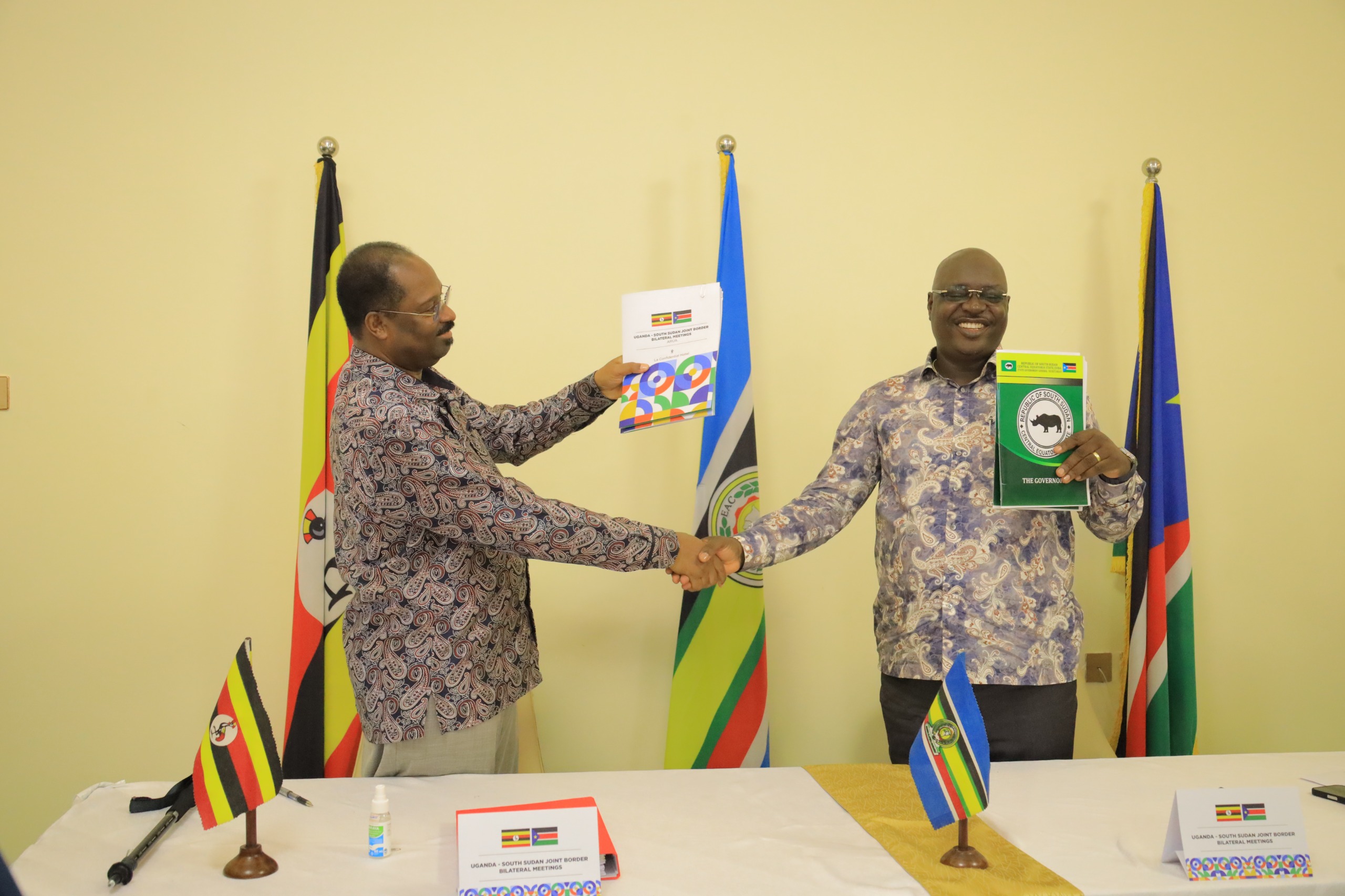
ARUA, UGANDA: Uganda and South Sudan have agreed to accelerate the demarcation of their shared border, strengthen joint security operations and remove obstacles affecting cross-border trade.
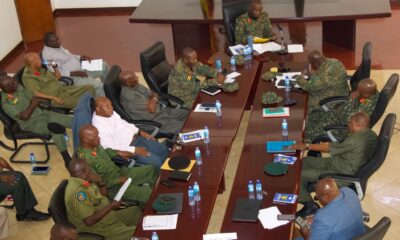
The commitments were reached during the 6th Uganda–South Sudan Joint Border Meeting on Economic and Security Cooperation, held in Arua District from July 23 to 24, 2026. The talks followed strategic guidance issued by Presidents Yoweri Museveni and Salva Kiir Mayardit during Museveni’s state visit to Juba in April 2025.
The meeting was co-chaired by Uganda’s Ambassador to South Sudan, Brig Gen Ronnie Balya, and Central Equatoria State Governor Emmanuel Adil Anthony Wani.
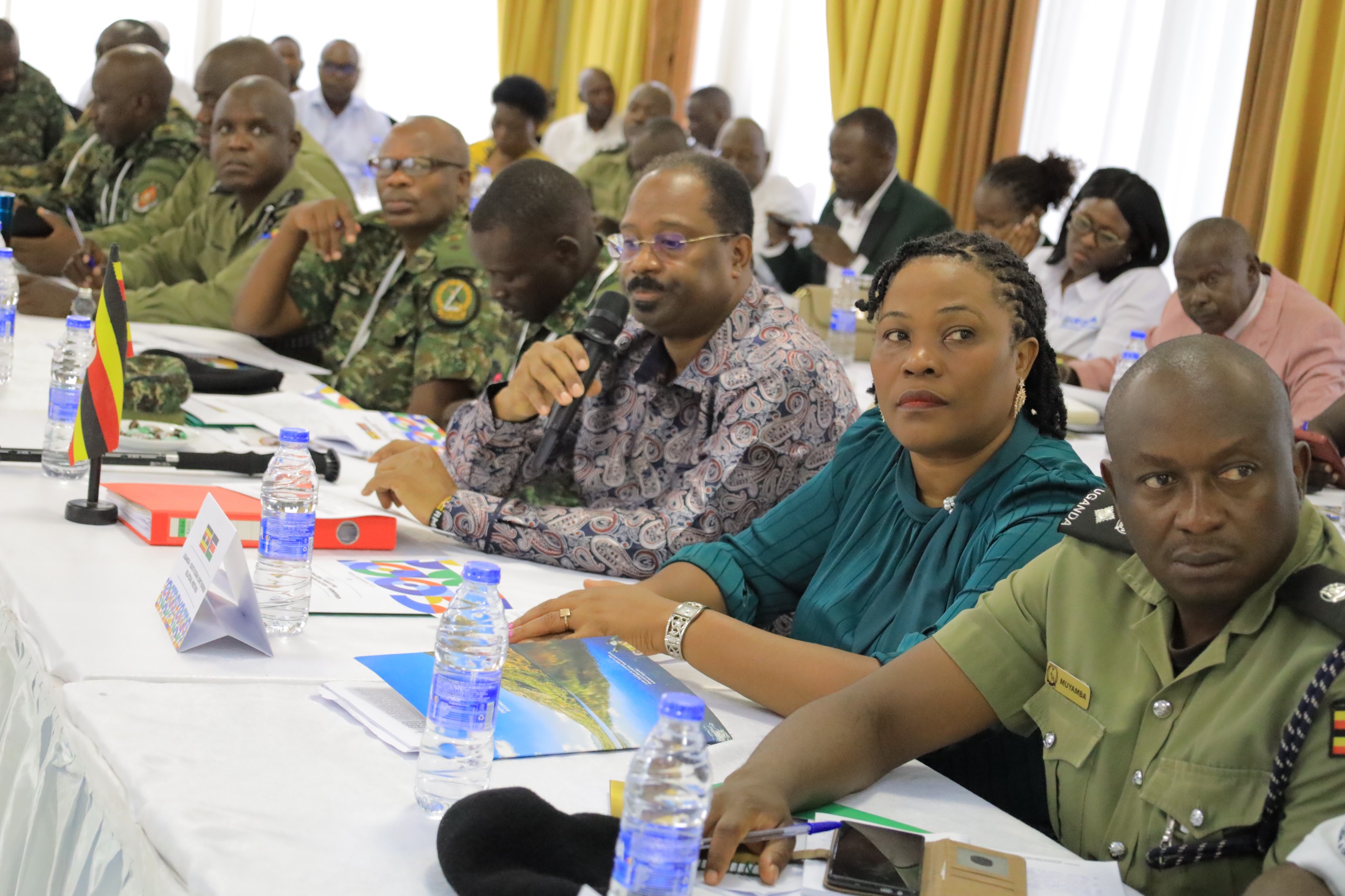
Uganda’s Ambassador to South Sudan, Brig Gen Ronnie Balya speaks during the meeting
Officials from the two countries discussed trade and economic cooperation, customs and revenue, security and stability, as well as migration, health, refugees and other social services. The delegations reaffirmed what they described as strong relations anchored in mutual respect, good neighbourliness and shared prosperity.
Border Demarcation Targeted for 2027
Uganda and South Sudan agreed to resume the work of the Joint Technical Committee responsible for reaffirming and re-marking their approximately 470-kilometre international boundary.
The two countries set 2027 as the target for completing the border demarcation exercise, which is expected to improve administration, reduce territorial disputes and strengthen cooperation between communities living along the frontier.
Joint Action Against Cross-Border Threats
On security, the delegations called for closer cooperation between the defence and security agencies of the two countries in tackling terrorism, violent extremism and other cross-border threats.
They also backed joint border patrols, regular consultations and greater engagement with traditional and community leaders as key measures for maintaining peaceful coexistence.

The meeting further urged authorities and communities to promote accurate information and constructive dialogue to prevent tensions along the border.
Countries Move to Ease Trade
The two sides also resolved to progressively eliminate tariff and non-tariff barriers, harmonise customs and immigration procedures and address challenges affecting private-sector operators.
The measures are intended to speed up the movement of goods and people while reducing transit delays along the Central and West Nile transport corridors.
To ensure that the resolutions are implemented, the delegations adopted an implementation matrix assigning responsibilities to government ministries, local border authorities, security institutions and private-sector actors.
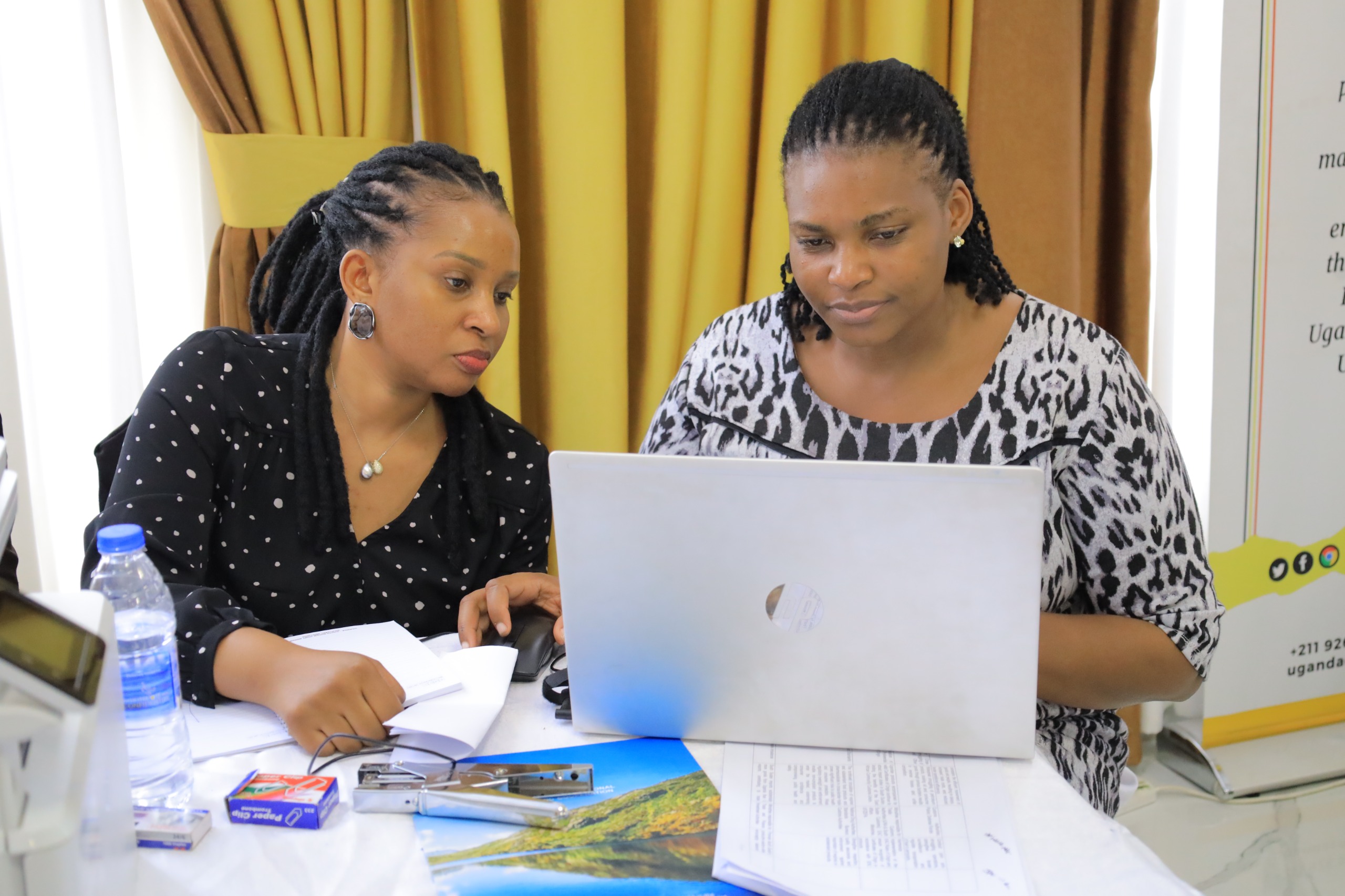
They also agreed to immediately reactivate Border Management Committees to strengthen stability, peaceful coexistence and legitimate cross-border trade.
South Sudan will host the seventh session of the Joint Border Bilateral Meeting on a date to be communicated through diplomatic channels.