
Lifestyle
Nalubega Aminah: Hotel Floors to a National Pageant Stage

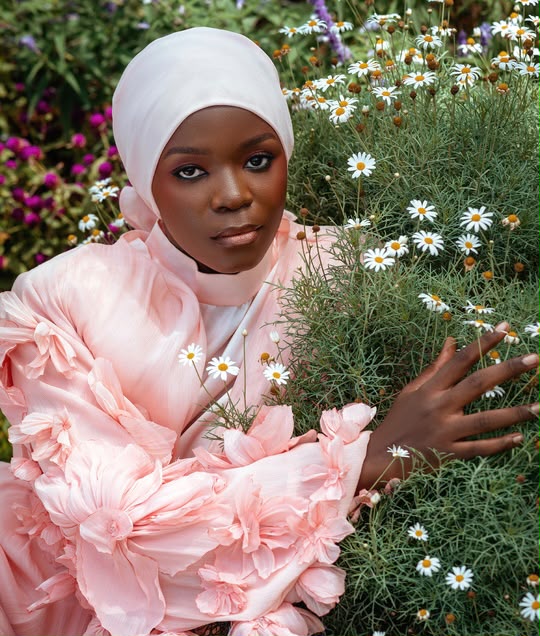
Nalubega Aminah, a 24 year old Ugandan content creator and small business owner from Masaka District, has become one of the more closely watched figures to emerge from Uganda’s short form video scene in the past two years.
Known online as Errands Runner, through the handles @erands.runner and @nalubega_aminah, she has built an audience reported at more than 320,000 followers on TikTok, with third party account trackers in 2026 listing figures closer to 504,600 followers and 21.7 million cumulative likes.
She also runs a small retail outlet, Nalu Scents and Gifts, at Modern Shoplex plaza in Kampala, and in September 2025 she took part in the Miss Uganda 2025/2026 pageant, where she did not win the main title but was awarded Miss Popularity and Miss Rising Woman.
Her case is a useful illustration of a pattern that has become common in Uganda’s urban economy over the past several years: a young person moves from rural Uganda to Kampala for low wage service work, builds an audience through everyday low production video content, and eventually converts that audience into a small business and a public profile large enough to attract mainstream media coverage.
What makes her story worth documenting in more detail is not any single achievement but the combination of a sizeable independently verifiable social media following, a functioning retail business tied to that following, and a placement in a nationally broadcast pageant that generated coverage across several Ugandan outlets over multiple months.
Early Life and Education in Masaka
Aminah was born and raised in Masaka District, a largely agricultural area in Uganda’s Central Region. She attended school locally and for her Advanced Level studies took Biology, Agriculture and Geography, a combination offered widely within Uganda’s national secondary curriculum and not unusual for students from rural districts with an agricultural economic base.
According to her own public statements repeated in several interviews, financial constraints interrupted her education after A Level, and she left formal schooling to look for work in Kampala.

This kind of movement, a young person leaving a rural district for the capital in search of paid work after failing to continue in school or find local employment, is a well documented feature of Uganda’s internal migration patterns and is reflected in national population and labour statistics, which show consistent net inflows of young people from rural districts into Kampala and its satellite towns.
Her account of this period is not independently documented beyond her own statements and the media profiles that have repeated them, which is typical for reporting on a private individual’s early life before she became publicly known.
Hospitality Work in Kampala and Eastern Uganda
On arriving in Kampala, Aminah found work in the hospitality sector, a large employer of young urban migrants in Uganda. She has said she worked in hotels both in Kampala and in parts of Eastern Uganda, in roles involving customer service and day to day hotel operations, interacting with guests, managing service schedules, and coordinating with other staff.
She has described this period in interviews given after she became publicly known as formative to her later approach to content creation and to running her own business. Exposure to different guests, service standards and working environments gave her a grounding in customer interaction that she has said carried over into how she now runs her shop and engages her online audience.
As with her account of her schooling, this period of her life is documented mainly through her own retrospective statements rather than through independent employment records, which is unsurprising given that she was not a public figure at the time.
It is this period, ordinary low visibility service work rather than any early entry into entertainment or media, that distinguishes her account from many public figures whose biographies begin with an early break into visibility.
Her own narrative repeated consistently across multiple interviews is that her television and social media profile came later and grew out of the same person who was for a period working hotel shifts rather than being groomed for public attention.
The hospitality sector she describes working in is one of the larger formal and semi formal employers of young people entering Kampala’s urban labour market, encompassing hotels, guesthouses, restaurants and related service businesses that range from small family run establishments to larger internationally branded properties.
Jobs in this sector typically require relatively little formal qualification beyond secondary schooling, which is consistent with her account of moving directly from an interrupted A Level education into hotel work rather than into a trade requiring further training or certification.
Wages in entry level hospitality roles in Uganda are generally modest, and turnover in the sector is often high, both of which are consistent with though not proof of her account of eventually leaving hotel work in favour of an income source she could develop independently.
The Move Into Content Creation
Aminah’s move into content creation took place on TikTok under the account name @erands.runner. According to her own account, the name reflected the format of her early videos, which involved running errands, visiting different locations around Kampala, and documenting prices and services, a straightforward observational style of content rather than scripted entertainment.
Her early videos focused on ordinary daily life, transportation around the city, visits to restaurants, shops, and other public places. Over time the content broadened to include fashion, lifestyle commentary, and more personal material drawn from her own experiences, including her background in Masaka and her time working in hotels.
She narrates her videos in a mix of Luganda and English, the two languages most widely used in everyday communication in Central Uganda, and most of her content is filmed in identifiable public locations, markets, shopping plazas, restaurants and public transport, rather than in a studio setting.
One recurring element of her public persona described consistently across several profiles of her published in 2026 is a self description as a person from a modest rural background who visits higher end hotels and restaurants to document and share an experience of comparative luxury with her audience.
This framing, an ordinary person providing a window into settings many of her viewers would not otherwise see, is a recognisable content strategy among lifestyle creators generally and is not unique to her, but it appears to be central to how she has built and retained her following.
By 2026 her TikTok account had accumulated more than 320,000 followers by her own reported figures, while directory sites that track TikTok account statistics were listing a higher total of roughly 504,600 followers and about 21.7 million likes across her videos.
The gap between the figure most commonly cited in profiles of her and the higher third party tracker figure is not unusual. Self reported or older milestone numbers often lag behind current totals shown by automated tracking tools, and neither figure has been independently audited for this account.
Her audience is described in coverage as being primarily Ugandan, drawn from Kampala and other districts, which is consistent with broader patterns of TikTok and short form video consumption in Uganda, where use of the platform particularly among users in the 18 to 34 age range has grown substantially over the past several years according to industry and internet use reporting on the country.
Her content format has remained relatively consistent even as her subject matter has broadened. Videos are typically short, filmed on a phone in real locations rather than staged sets, and narrated directly to camera or as voiceover, a format common across lifestyle and vlogging content on the platform generally rather than a distinguishing feature of her account specifically.
What is somewhat more distinctive based on the pattern described across several profiles of her is the consistency with which she has tied her content back to a single personal narrative, moving from a rural background through hotel work into content creation and business ownership, rather than pursuing a wider range of unrelated content formats such as comedy skits, dance content or product reviews unconnected to her own story.
This narrower narrative driven approach is one plausible explanation though not the only one for the loyalty her audience is described as showing toward her account relative to its overall size.
Nalu Scents and Gifts
Alongside her content, Aminah operates a retail business, Nalu Scents and Gifts also referred to in some coverage as Nalu.scents.and.gifts, based at Modern Shoplex plaza in Kampala. The shop sells perfumes, essential oils and gift items, and is a physical outlet that customers can visit in person, in addition to an online presence on Instagram and TikTok where products are shown through photographs and video.
According to her own statements, the business was started using income she generated from content creation together with savings from her earlier hospitality work. She has said the decision to sell scent related products stemmed from her own interest in beauty products and from demand she observed among her audience.
This pattern, a content creator using online income and audience data to launch a related retail business then using the same online channels to market it, is often described as social commerce and has become a common small business model in Uganda, where creators and small traders frequently rely on TikTok, Instagram and WhatsApp for customer acquisition rather than conventional advertising.
In her videos Aminah shows the interior of the shop, product displays, and interactions with customers who visit in person. She also responds to product questions in the comments sections of her posts.
Modern Shoplex plaza itself is a multi tenant commercial building in a part of Kampala with substantial pedestrian traffic and public transport access, and houses a number of small retail outlets selling clothing, cosmetics and accessories, the kind of setting in which many small Ugandan retail businesses whether linked to social media personalities or not typically operate.
Nalu Scents and Gifts operates within Uganda’s broader small retail trade sector, a sector characterised by a large number of micro and small enterprises and which the country’s business registration authority has reported growing steadily in recent years.
It is worth noting that claims about the shop’s commercial success described in some profiles as evidence of a viable growing business rest largely on Aminah’s own statements and on the shop’s visible activity in her videos, rather than on independently verified sales or revenue figures.
This is typical of small privately owned retail businesses in Uganda generally, most of which do not publish financial information, and should not be read as a claim of exceptional or verified commercial performance.
Customers have in some cases posted their own comments and short videos referencing purchases from the shop, providing a degree of third party if informal corroboration that the business operates and serves customers beyond Aminah’s own promotional content.
This kind of unpaid customer generated content is common for small businesses that market primarily through social media and functions as a rough substitute for the kind of customer reviews that might otherwise appear on a retailer’s own website or on a review platform, though it is neither systematic nor independently moderated in the way a formal review system would be.
The Miss Uganda 2025/2026 Pageant
Aminah’s most widely covered activity to date has been her participation in the Miss Uganda 2025/2026 competition, in which she competed as Contestant No 18 against 25 other contestants.
Miss Uganda like many contemporary pageants incorporates a public voting component alongside judged criteria, conducted in this cycle through the AfricaVotes platform, which allows the public to vote for contestants including through paid voting options.
Reporting published as the competition’s public voting phase closed ahead of the grand finale indicated that Aminah was leading the voting with more than 113,000 votes, ahead of contestant Elle Trivia Muhoza who had around 104,000 votes and Gillian Ampiare in third place with about 21,000 votes.
The grand finale was held on September 20, 2025 at the Kampala Sheraton Hotel. The overall Miss Uganda title was awarded to Elle Trivia Muhoza, a 22 year old aviation graduate from Bukomansimbi District who went on to represent Uganda at the Miss World Festival.
Aminah did not win the main crown but was awarded two subsidiary titles, Miss Popularity determined by the public vote she had led heading into the finale and Miss Rising Woman a title associated with participation and engagement in activities connected to the competition.
Coverage published after the finale framed her result as evidence of the increasing role that pre existing social media audiences can play in shaping outcomes in televised pageants. Contestants who arrive with an established online following start the public voting phase of such competitions with an inherent advantage over those without one, a dynamic that has been observed in similar competitions elsewhere and is not specific to Uganda or to this contestant.
One aspect of her participation that drew specific attention in coverage was her decision to compete while wearing a hijab. According to her own account given in an interview around the time of the public voting period, she registered for the competition using a submission photograph in her ordinary Islamic dress rather than in more conventional pageant attire and said she had expected this might work against her in the selection process. She has said she was surprised when this was not the case.
Coverage of the 2025/2026 edition noted that it included two hijab wearing finalists which was described in some reporting as a notable development in the range of participants included in the competition, though this description reflects the framing used in that reporting rather than an independently established historical claim about the pageant’s past composition.
In February 2026 Aminah appeared as a cover subject for a Ugandan fashion and lifestyle publication in a feature built around modest fashion and her participation in the pageant.
Beauty pageants in Uganda operate across a range of formats and levels of national recognition, from long running national competitions to smaller regional and campus based events, and titleholders at the national level are generally expected to take part in public speaking engagements and community facing activities during their reign.
Miss Uganda as the longest established national competition of this kind in the country tends to attract a comparatively higher level of media coverage than smaller pageants, which is part of why a subsidiary title such as Miss Popularity rather than the overall crown was nonetheless covered by multiple outlets in Aminah’s case.
It is also worth noting that public voting components of pageants of this kind particularly those involving paid voting options are sometimes criticised for allowing contestants with pre existing large followings financial backing or organised fan bases to outperform contestants on measures that are not directly related to the judged criteria the competition is nominally designed around. This is a general criticism that has been raised about celebrity and influencer linked public voting in pageants and similar contests in various countries and is noted here as context rather than as a specific claim made about this contestant or this edition of the competition.
Public Statements on Digital Literacy
Since the pageant Aminah has spoken publicly primarily through her own social media accounts and in interviews about an initiative she refers to as Digital Confidence.
She has described it as intended to provide young Ugandans with basic training in digital marketing, content creation and what she describes as responsible use of social media including guidance on addressing online harassment.
Descriptions of the initiative’s activities in available coverage are broad and are based mainly on her own statements. They refer to seminars, online campaigns and mentorship style engagement without detailed independently verifiable specifics such as attendance numbers dates of individual sessions or institutional partners for the training component.
As with a number of pageant linked advocacy platforms generally the practical scale and measurable impact of the initiative beyond its promotion on her own accounts has not been independently documented and it should be treated as a stated personal project rather than an established or audited programme.
Some profiles published after the pageant also describe her as having participated in activities connected to a children’s cancer charity and in local health awareness campaigns.
These descriptions too rely on the same handful of feature articles rather than on the charity’s own public records or on independent event coverage and are noted here as reported claims rather than independently confirmed activities.
Her stated interest in digital literacy and responsible social media use reflects a broader concern that has been raised by Uganda’s Ministry of Gender Labour and Social Development and others regarding youth unemployment and the role of digital skills training as one possible area of intervention, a policy context that predates and is broader than any individual creator’s personal project.
The concerns her initiative is described as addressing, online harassment and the risks associated with a lack of digital literacy among young social media users, are not specific to Uganda and have been documented in reporting on internet use across the region, though the particular scale of these problems within Uganda specifically and the extent to which a single individual’s mentorship style initiative could be expected to address them are not established by the available coverage.
As with many similarly framed pageant advocacy platforms the initiative appears on the basis of currently available reporting to function primarily as a personal branding and public messaging exercise conducted through Aminah’s own social media accounts rather than as a registered organisation, formal training programme, or entity with independently reported outputs such as a defined number of participants trained or sessions held.
Public Framing and Comparisons
In interviews Aminah has named Ugandan media personality Sheila Gashumba as an influence on her approach to building a public profile.
Gashumba has had a media and entertainment career spanning more than a decade including television presenting, brand partnerships and a long running social media presence. Aminah’s own public career by contrast is in its early stages and has so far been concentrated in a two to three year period of content creation followed by a single pageant cycle.
Coverage that draws this comparison has generally noted that Aminah’s ability to sustain her current profile, expand her business, and develop projects such as Digital Confidence over a longer period remains untested, rather than treating the comparison as evidence of an already established equivalent career.
Broader Context: Content Creation and Small Business in Uganda
Aminah’s trajectory, moving from rural Uganda to Kampala for hospitality work then into content creation then into small retail, fits a broader pattern documented in reporting on Uganda’s youth labour market and creator economy rather than representing an unusual or singular case.
Uganda has a predominantly young population with a large share of residents under 30 and many young people continue to face difficulty accessing formal employment, leading many toward self employment and informal sector work.
Growth in internet access and smartphone ownership over the past decade has allowed a larger number of young Ugandans to participate in content creation, generating income in some cases through brand partnerships, direct product sales, and platform monetisation features, though the scale of income available through these channels varies widely and is generally modest for all but a small number of creators.
TikTok in particular has grown substantially as a platform for short form video in Uganda with usage concentrated among users aged 18 to 34, the same demographic that constitutes the bulk of Aminah’s reported audience.
The retail sector in which Nalu Scents and Gifts operates is one of the largest employment sectors in urban Uganda, characterised by a very large number of small often family run or individually owned outlets selling cosmetics, perfumes, clothing and similar goods from commercial plazas and markets across Kampala.
The pairing of a small physical retail outlet with online marketing through TikTok, Instagram and WhatsApp rather than through conventional advertising has become increasingly common among small Ugandan business owners generally, whether or not they are also content creators, making Aminah’s specific combination of the two a widely observed pattern rather than an unusual innovation.
Uganda’s Registration Services Bureau has reported ongoing growth in the registration of small businesses in the trade and services sectors over recent years, consistent with continued expansion of the kind of small retail enterprise that Nalu Scents and Gifts represents.
This broader growth in small business registration provides useful context for assessing claims about individual creators translating online followings into retail ventures. While such conversions do occur and are increasingly documented in Ugandan media coverage of individual creators, they take place against a backdrop of substantial small business formation generally, much of which has no connection to social media influence at all.
This makes it difficult on the basis of media coverage alone to determine how much of any given creator’s retail success is attributable specifically to their online following as opposed to other more conventional factors such as location, product selection, pricing and word of mouth.
Current Activities
As of the most recent available coverage Aminah continues to post content under the Errands Runner name, documenting daily life, her business, and interactions with her audience, and continues to operate Nalu Scents and Gifts at Modern Shoplex plaza.
She has continued to reference her Digital Confidence initiative in public statements, though as noted above independent documentation of its ongoing activities remains limited to her own accounts and to feature coverage published in mid 2026.
Summary
Nalubega Aminah’s public profile rests on three linked but separable elements: a social media following in the low to mid hundreds of thousands built through several years of everyday lifestyle content under the name Errands Runner, a small physically located retail business Nalu Scents and Gifts that draws on and markets through that following, and a placement not a win in the Miss Uganda 2025/2026 pageant where she received the Miss Popularity and Miss Rising Woman titles following a public voting phase in which she led all other contestants.
Beyond these three elements claims about the scale and impact of her advocacy work and community engagement rest largely on her own public statements and on feature articles that draw on those statements and are presented in this account as reported rather than independently verified.
Taken together her case is a documented and by Ugandan standards reasonably well covered example of the pathway from ordinary service employment through social media content creation into small business ownership and national media visibility, a pathway that a number of other young Ugandans have also followed with varying degrees of public recognition.