
Business
Musasizi Urges Banks to Cut Lending Rates

By UG Diplomat Staff Writer
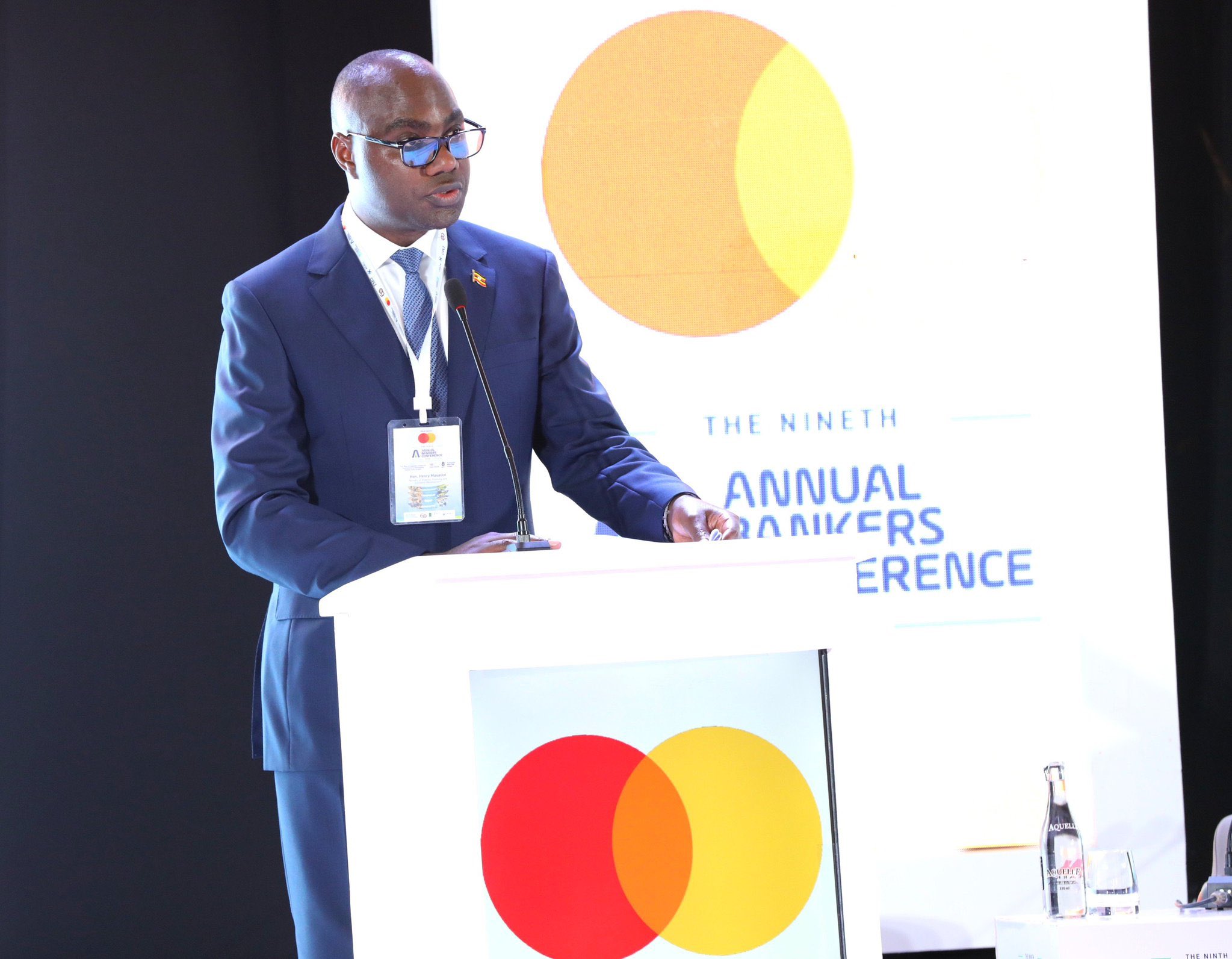
Finance, Planning and Economic Development Minister Henry Musasizi has called on Uganda’s banking sector to reduce lending rates and significantly increase financing to productive sectors as the country seeks to grow its economy tenfold by 2040.
Musasizi made the call while speaking at the 9th Annual Bankers Conference at the Marriott Hotel, where he said Uganda’s ambition to expand its economy from about US$50 billion in FY2025/26 to US$500 billion by 2040 will require affordable, long-term financing.
“Government cannot deliver Uganda’s transformation alone. We need you and indeed, the banking and financial sector is central to the tenfold growth strategy,” Musasizi said.

He noted that average lending rates remain between 18% and 20%, arguing that the cost of credit must come down if businesses and investors are to make the long-term investments required to drive economic transformation.
Musasizi urged financial institutions to strengthen credit assessment, make better use of available data within the legal framework, and expand risk-sharing and guarantee mechanisms to reduce the risk premium attached to lending.
Focus on productive sectors
The minister also challenged banks to redirect more credit towards the ATMS priority sectors — Agro-industrialisation, Tourism, Minerals including Oil and Gas, and Science, Technology and Innovation.
He said greater financing of these sectors would be critical to Uganda’s strategy of accelerating production, industrialisation, exports and investment, rather than concentrating lending predominantly on trade.
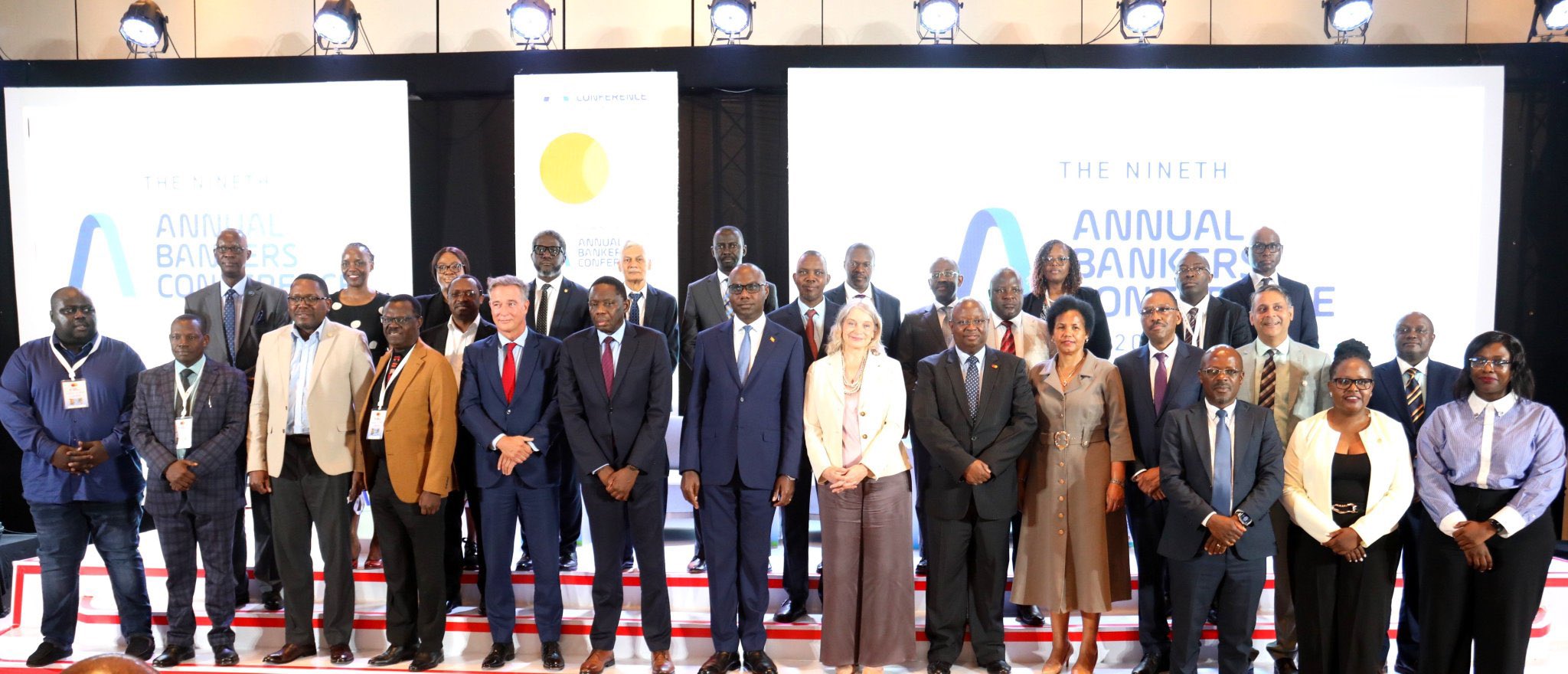
Musasizi further urged commercial banks to work with the Capital Markets Authority (CMA) to deepen long-term financing through instruments such as infrastructure bonds, project bonds, green bonds and equity financing.
The push comes as government seeks to substantially expand the role of private capital in funding Uganda’s development ambitions.
According to Musasizi, private-sector credit needs to increase from about Shs28 trillion currently to Shs490 trillion by 2040, while mobilisation through capital markets should rise from approximately Shs1.5 trillion to Shs440 trillion.
Financial inclusion
The minister also called for financial inclusion to be taken to scale, particularly among the estimated eight million farmers targeted for commercialisation under the Parish Development Model (PDM).
He said farmers should be enabled to access the full range of financial services, including savings, credit, insurance, payment services and investment opportunities.
“This means ensuring that farmers can save, borrow, insure, receive payments and invest,” he said.
Musasizi said government, for its part, would continue maintaining macroeconomic stability and pursuing financial-sector reforms while working to expand the capitalisation of Uganda Development Bank (UDB).
The appeal places the banking sector at the centre of Uganda’s broader effort to mobilise the financing required for the Tenfold Growth Agenda, with government seeking to move beyond short-term and relatively expensive credit towards longer-term financing for productive investment.