News
Uganda Mobilises Korea Diaspora as Trade and Investment Talks Open in Seoul

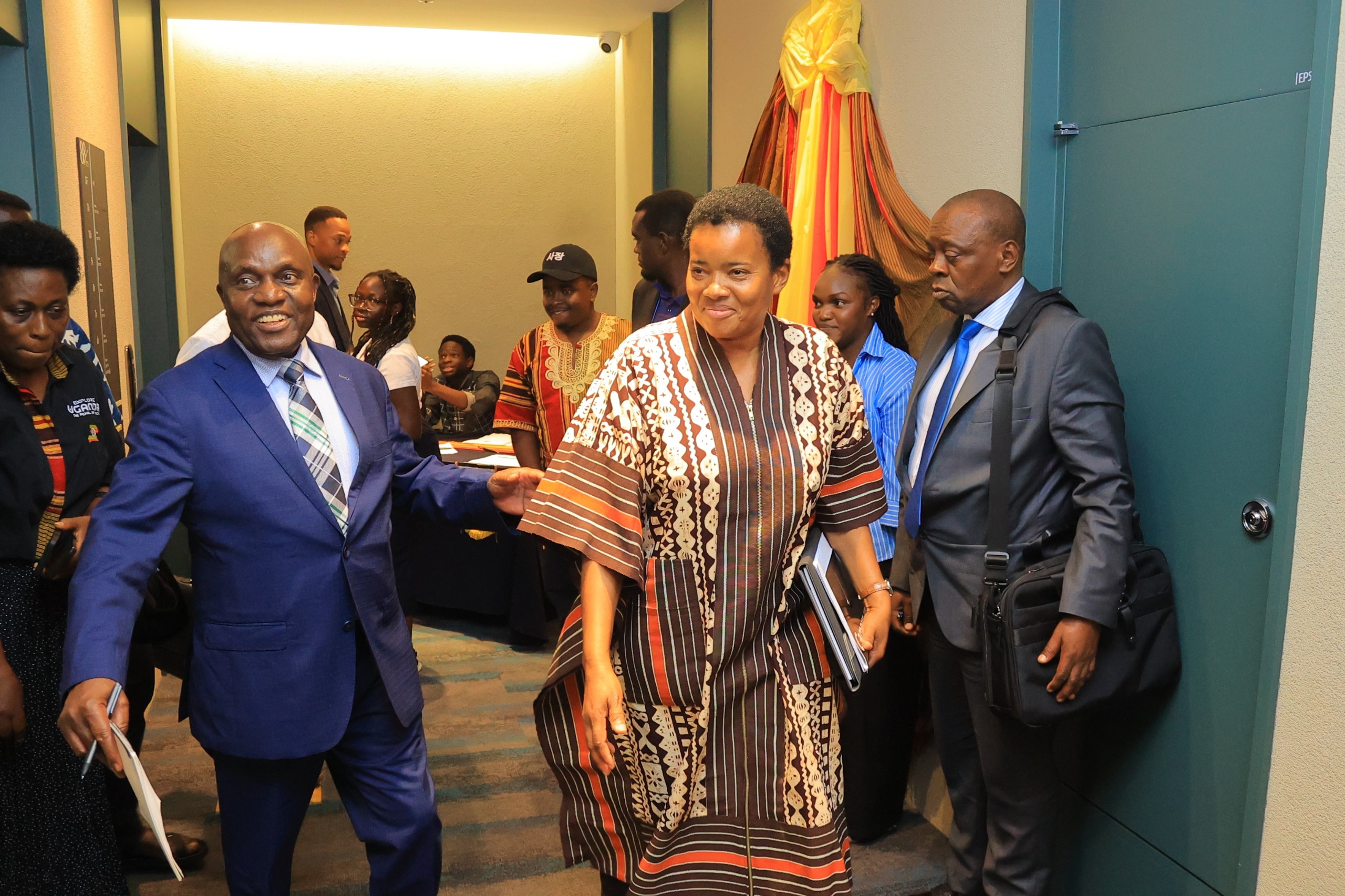
KAMPALA, Uganda — September 6, 2026: Uganda is seeking to turn its diaspora community in South Korea into a stronger engine of investment, technology transfer and economic diplomacy as Kampala moves to deepen commercial relations with Seoul.
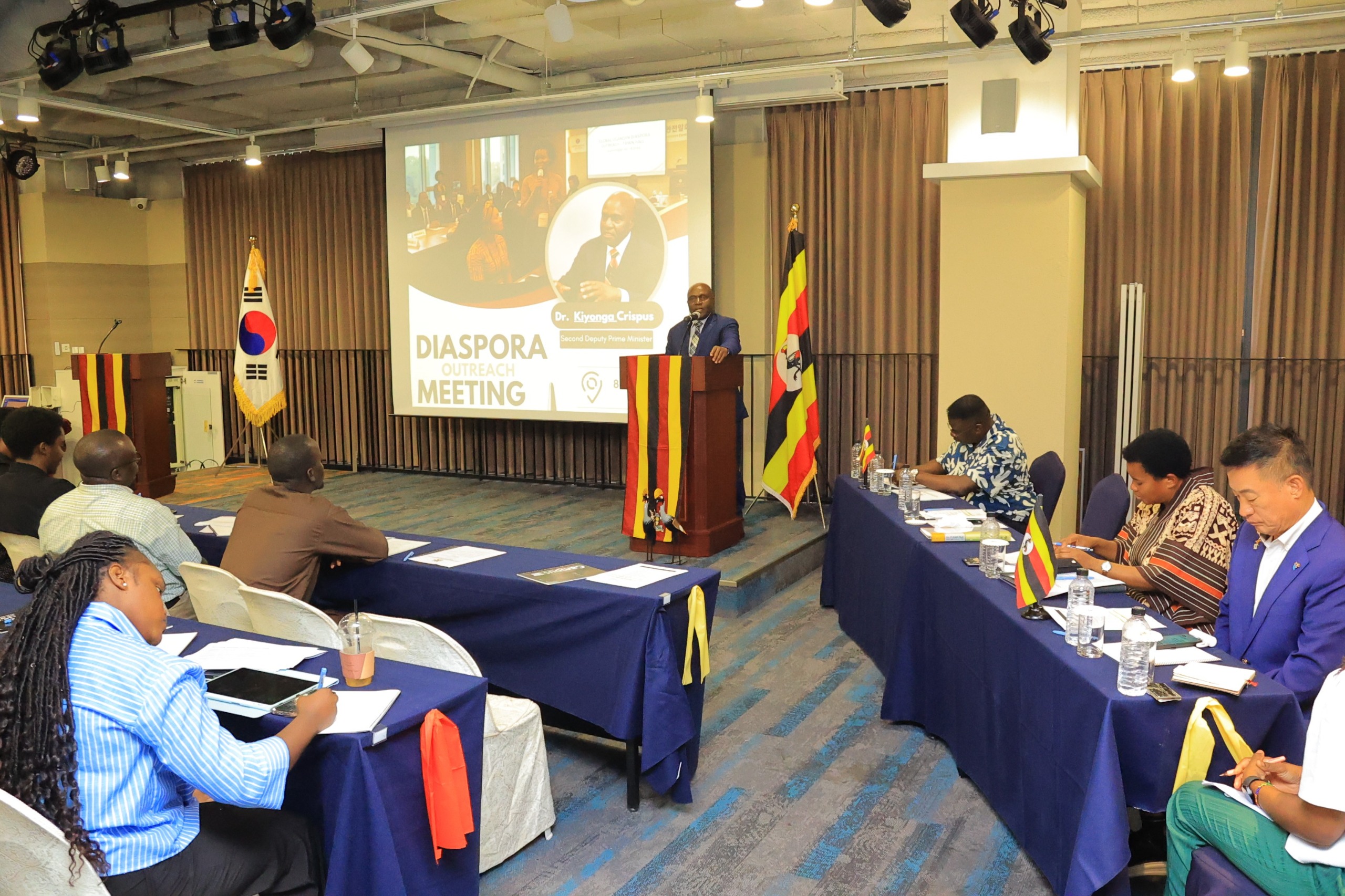
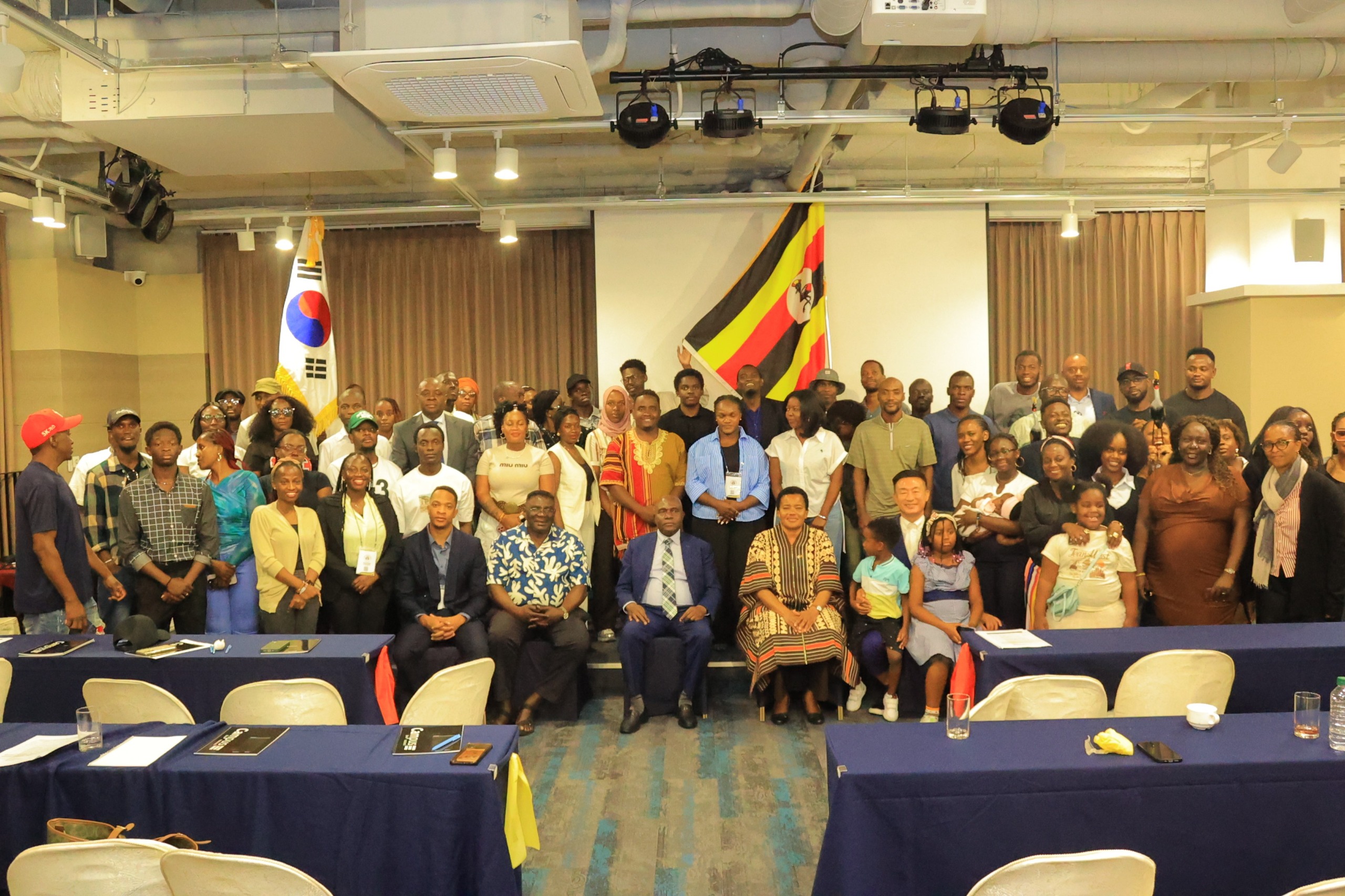
The call was made during a diaspora outreach held at the 88 Hotel in Seoul on Saturday, ahead of the Uganda–Korea Trade and Investment Meeting, which runs from September 6 to 10 in partnership with the Korea International Trade Association (KITA).
The engagement brought together Ugandans living in South Korea, senior government officials and other stakeholders to discuss how the diaspora can contribute to Uganda’s economic transformation through investment, skills, technology, tourism and trade.
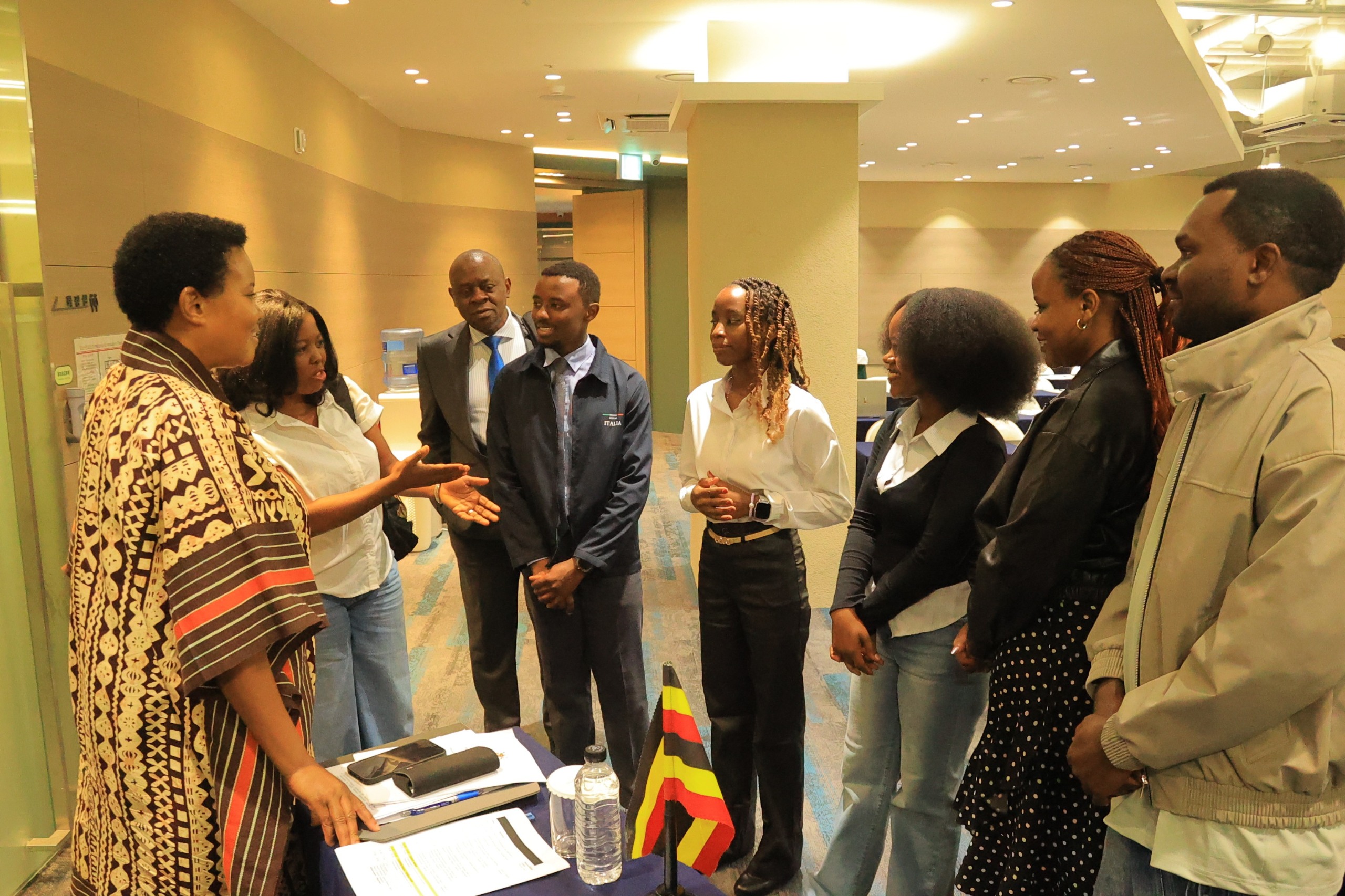
Uganda’s Ambassador to Korea, resident in Tokyo, H.E. Tophace Kaahwa, urged Ugandans to support the country’s economic and commercial diplomacy agenda by investing in Uganda and facilitating technology and knowledge transfer.
She described the diaspora as “grassroots ambassadors”, whose remittances, expertise and networks can contribute significantly to national development.
Kaahwa highlighted tourism, mineral development, science and technology and agro-business as areas where Ugandans in Korea could participate more actively.
She also assured the community that the embassy remained available to serve Ugandans in Korea, while encouraging them to register for national identification cards.
Kiyonga: Diaspora must support $500 billion ambition
Delivering the keynote address, Second Deputy Prime Minister Dr. Crispus Kiyonga, who led the Ugandan delegation, conveyed greetings from President Yoweri Kaguta Museveni and commended Ugandans in Korea for their unity and patriotism.
Kiyonga said Uganda’s economy was currently valued at about US$70 billion, with the government targeting an expansion to US$500 billion by 2040.
He linked the ambition to continued investment in infrastructure, energy and productive sectors, telling Ugandans in Korea to remain connected to their country and contribute to its development.
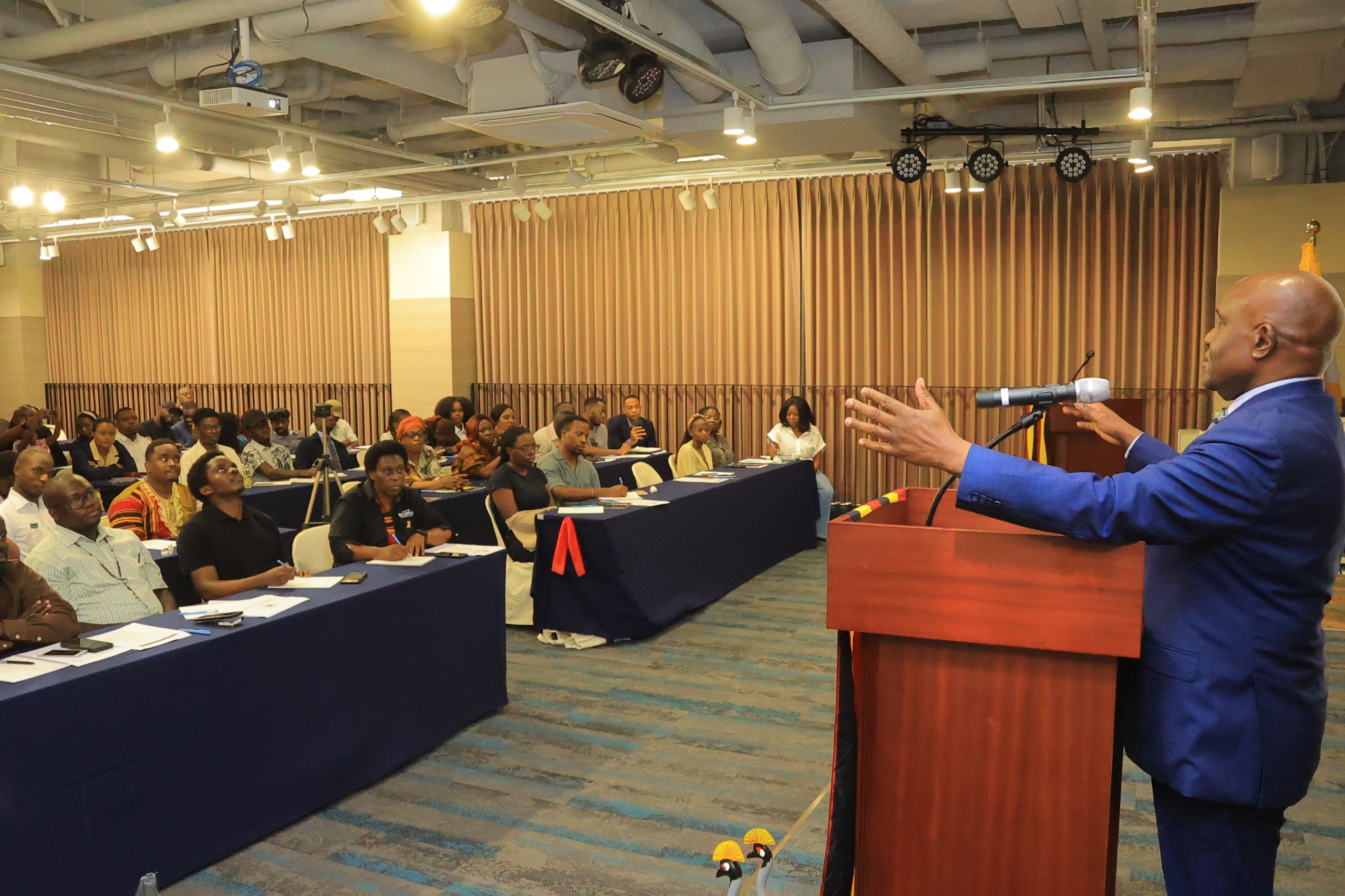
He also pointed to investments in road infrastructure and the extension of railway connectivity from Nairobi to Kampala as part of efforts to improve movement and stimulate economic activity.
The Second Deputy Prime Minister urged Ugandans in Korea to remain “proud ambassadors” of Uganda and maintain close engagement with the diplomatic mission.
Government seeks to organise diaspora engagement
The Seoul outreach also provided an opportunity for government officials to outline efforts to develop a comprehensive diaspora policy aimed at improving coordination, communication and access to government services for Ugandans living abroad.
Ambassador Muhindo said diaspora policy consultations had largely been completed in North America and Europe and were now extending to Asia and other regions.
He urged Ugandans in Korea to participate in the Uganda Diaspora Convention, scheduled for December 18–22, 2026, and encouraged those returning home to share the skills and technology acquired in Korea through mentorship and knowledge transfer.
Ambassador Henry Mayega, representing the Permanent Secretary of the Ministry of Foreign Affairs, Bagiire Vincent Waiswa, said the diaspora was already contributing through remittances, investment and professional expertise.
He identified agro-industrialisation, tourism, mineral development and science, technology and innovation as priority areas requiring the participation of Ugandans abroad.
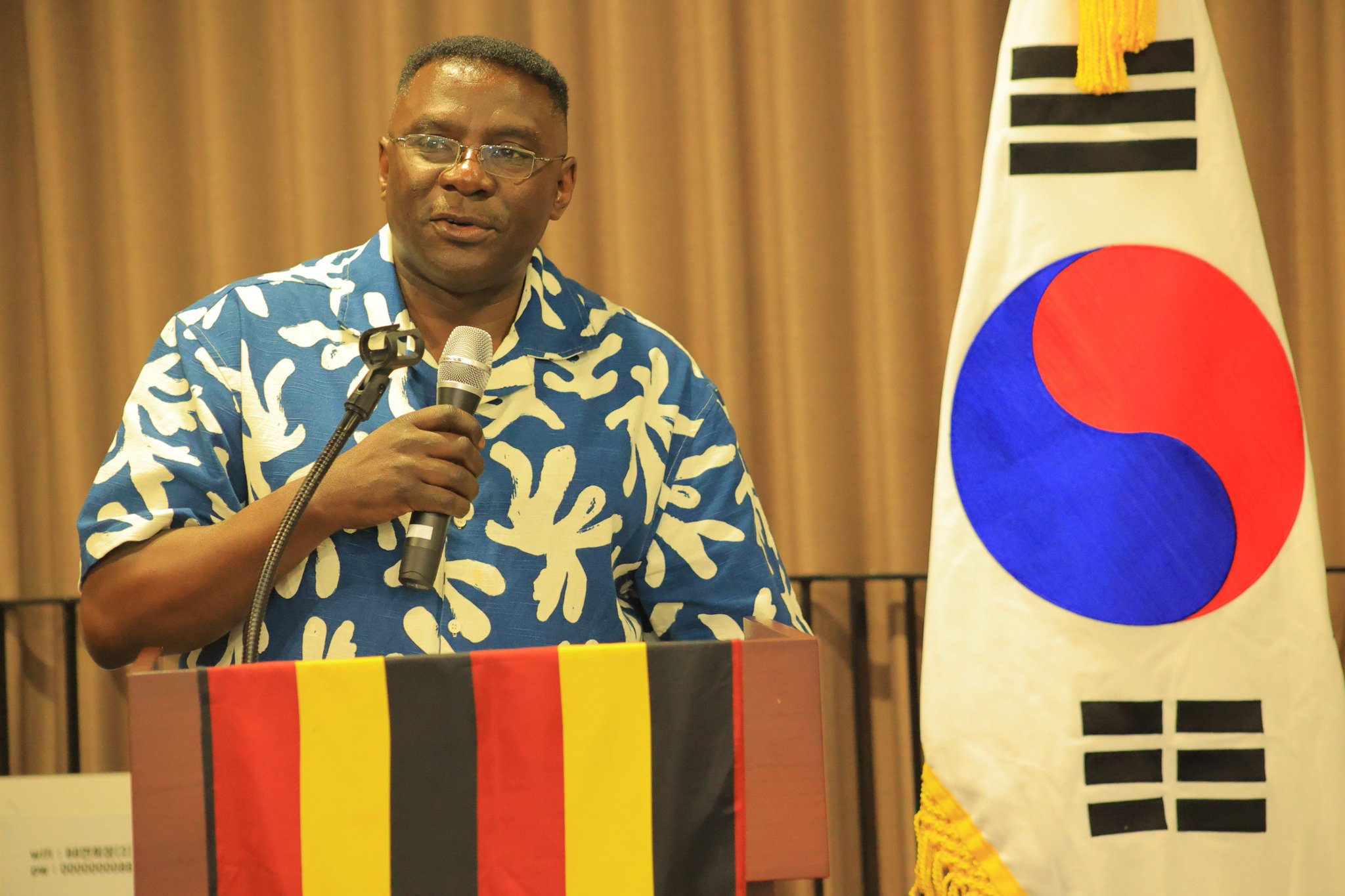
Ambassador Henry Mayega
654 Ugandans living in South Korea
The President of the Ugandans in South Korea Association, Hamza Kyamanywa, said the community was working to build a united and vibrant network.
According to Kyamanywa, 654 Ugandans were living in South Korea as of July 31, 2026, comprising 407 men and 247 women. The community includes students, employees and entrepreneurs.
He said Ugandans in Korea remained closely connected to home and continued to contribute to Uganda both directly and indirectly.
The Honorary Consul of Uganda in Busan, Dr. Kim Jin Bo, also praised the growing friendship between Uganda and South Korea, urging Ugandans to apply the skills and experience acquired in Korea to Uganda’s development.
Consular access remains a concern
The engagement was not limited to investment and economic issues.
Members of the Ugandan community raised concerns around professional development, sports and the welfare of Ugandans married to Korean nationals.
Several participants also pointed to the absence of a resident Ugandan embassy in South Korea, noting that consular services are currently administered from Tokyo.
The issue highlights one of the practical challenges accompanying Uganda’s growing economic ambitions in Korea, even as Kampala seeks to strengthen commercial links with one of Asia’s major industrial economies.
The diaspora outreach forms part of a broader programme of engagements surrounding the Uganda–Korea Trade and Investment Meeting, which seeks to translate the two countries’ diplomatic relationship into stronger trade, investment, technology transfer and people-to-people ties.
For Kampala, the message to its community in Korea is increasingly clear: the diaspora is not only a source of remittances, but also a potential bridge to capital, technology, expertise, markets and Korean business networks.