Analysis
Big 5, NAM, G77: Otunnu’s Hidden Edge in UNSG Race

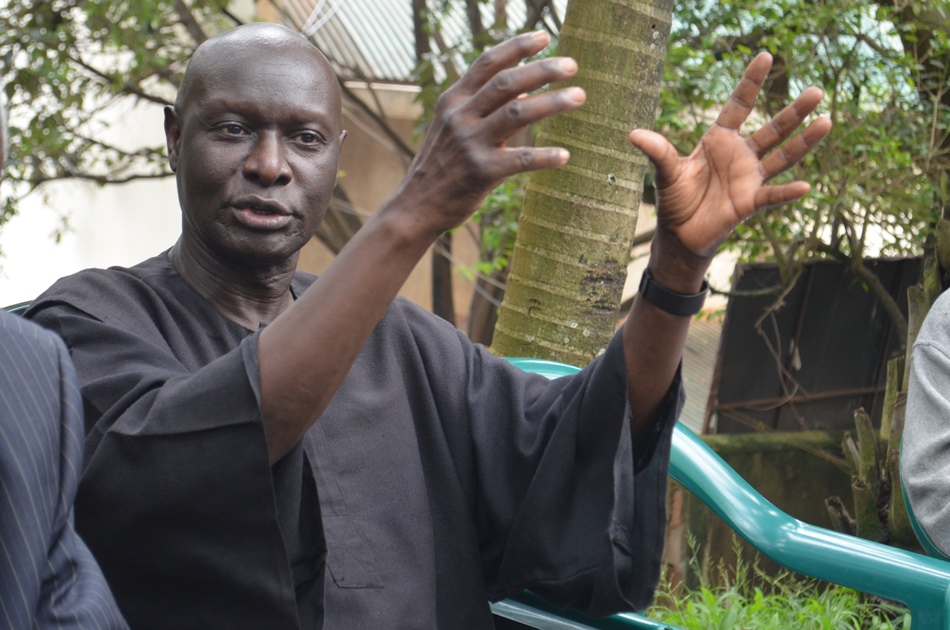
Uganda’s decision to nominate veteran diplomat Olara Otunnu for the post of United Nations Secretary-General has injected fresh momentum into a race that was already well underway. While the nomination has been welcomed as the entry of one of Africa’s most experienced international diplomats, it also raises questions about timing, regional dynamics and the politics that ultimately determine who leads the world’s premier multilateral organisation.
Political analyst Tabu Butagira argues that Otunnu enters the race carrying both significant disadvantages and notable strengths.
One of the biggest challenges is timing. Uganda formally submitted Otunnu’s nomination after the UN General Assembly’s Town Hall with candidates, where contenders presented their visions and answered questions from member states. Missing that platform means Otunnu lost an important opportunity to directly lobby the 193 UN member states.
Age is another factor. At 75, Otunnu is currently the oldest among the seven declared candidates.
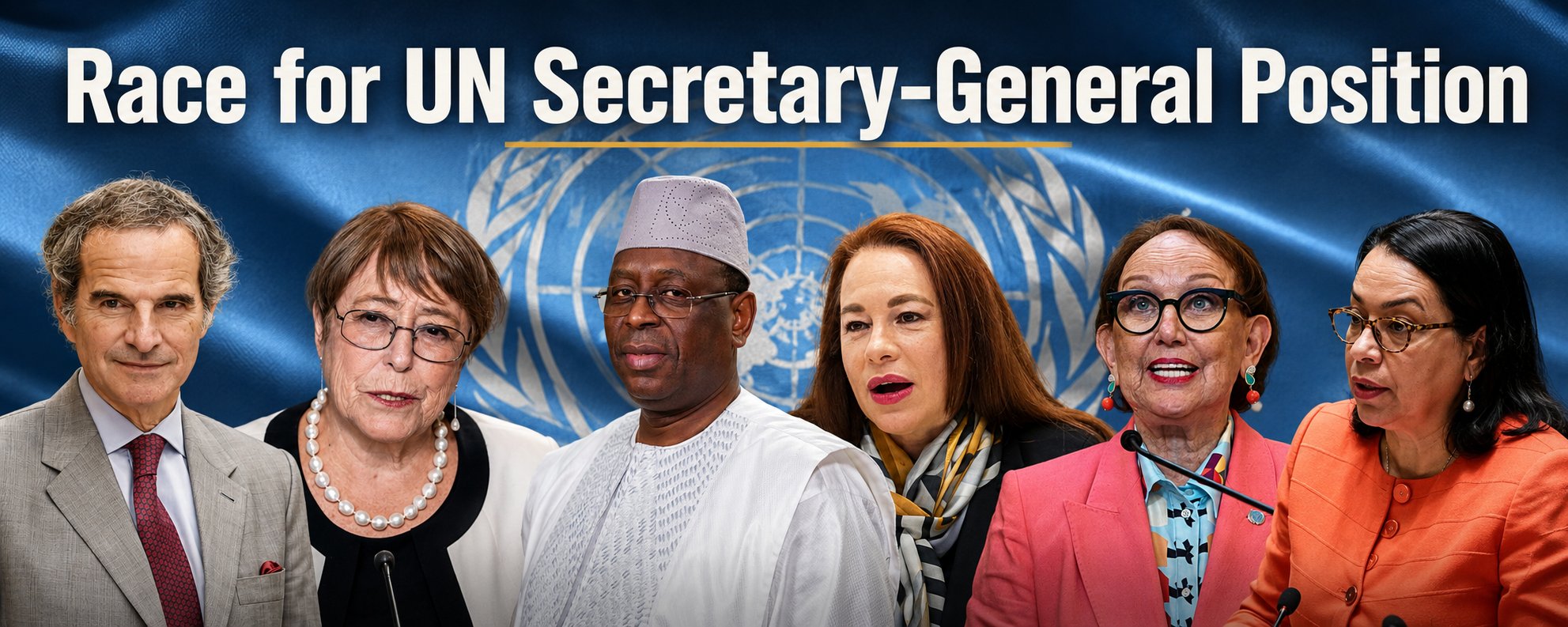
His candidacy also introduces an African dynamic. Former Senegalese President Macky Sall is already in the race, creating competition from within the continent at a time when Africa has not rallied behind a single candidate.
Beyond Africa, there is also the long-held expectation that the next UN Secretary-General should come from the Latin American and Caribbean Group, the only regional bloc yet to produce a UN chief under the organisation’s informal regional rotation.
However, Butagira argues that the race remains far from settled.
He notes that several of the previously declared candidates have attracted criticism over their voting records, public positions or handling of international crises, factors that could influence how the five permanent members of the UN Security Council assess them.

According to the analysis, Macky Sall’s campaign has also faced questions after he entered the race without an African Union endorsement and initially lacked formal backing from his own country.
Otunnu, meanwhile, brings credentials that few candidates can easily match.
His career spans more than four decades in international diplomacy, including service as UN Under-Secretary-General, Special Representative for Children and Armed Conflict, Uganda’s Permanent Representative to the United Nations, Minister of Foreign Affairs, and President of the International Peace Academy.
Butagira also points to Otunnu’s academic networks at Oxford University and Harvard University, arguing that these connections could provide access to influential policymakers and lobbyists in major Western capitals.
Unlike some candidates who have spent years outside the UN system, Otunnu has continued undertaking assignments for the United Nations and other multilateral organisations, giving him recent experience with the institution’s internal workings.
UNSC
Perhaps the most significant milestone now lies ahead.
The UN Security Council is expected to begin vetting candidates on 30 July, a process widely regarded as the decisive stage of the contest. Although the Secretary-General is formally appointed by the UN General Assembly upon the Security Council’s recommendation, any of the Council’s five permanent members can effectively block a candidate through the veto.
Butagira further offers a personal, speculative view that Otunnu’s late entry may indicate encouragement from a powerful state dissatisfied with the initial field, potentially making the Ugandan diplomat a “dark horse” candidate. He emphasises that this is speculation rather than established fact.
He also presents an alternative interpretation—that President Yoweri Museveni’s nomination of Otunnu could represent both recognition of the veteran diplomat’s distinguished international career and a gesture with domestic political significance.
UG DIPLOMAT ANALYSIS
Beyond the factors highlighted by Tabu Butagira, Uganda may also possess diplomatic advantages that could quietly strengthen Olara Otunnu’s campaign as the race enters its most critical phase.
Perhaps the most significant is Uganda’s balanced foreign policy. Under President Yoweri Museveni’s long-standing open-door foreign policy, Kampala has maintained working relations with all five permanent members of the UN Security Council—China, Russia, the United States, the United Kingdom and France. Unlike some countries that are closely aligned with one geopolitical bloc, Uganda has sought to engage major powers across competing interests while also cultivating ties with emerging powers.
Since the Security Council recommends a candidate to the General Assembly, the positions of these five permanent members will ultimately be decisive. At this stage, there is no public indication that any of the permanent members intends to oppose Uganda’s nominee. Whether that diplomatic goodwill translates into support for Otunnu remains to be seen, but Uganda’s ability to maintain constructive relations with all five capitals could prove an asset during closed-door consultations.
Non-Aligned Movement (NAM)
Uganda could also benefit from its current leadership of influential multilateral blocs. As Chair of the Non-Aligned Movement (NAM), Uganda occupies a prominent position within a grouping representing well over 100 countries, many of which are members of the UN General Assembly. Although the Secretary-General is formally appointed by the General Assembly only after a Security Council recommendation, broad political goodwill among NAM members can still enhance a candidate’s international standing and campaign momentum.
In addition, Uganda currently chairs the Group of 77 and China (G77+China), the largest coalition of developing countries within the United Nations. The bloc plays a significant role in negotiations on development, climate change, finance and global governance, giving Uganda considerable diplomatic visibility at a time when multilateral consensus-building is central to the Secretary-General’s role.
At the same time, these advantages should not be overstated. The decisive hurdle remains the Security Council, where any one of the five permanent members can block a candidate through the veto. History has shown that the selection of a UN Secretary-General is often shaped by complex geopolitical calculations, regional balance and great-power consensus rather than qualifications alone.
Otunnu’s entry into the race sets up a clash between Africa’s trapped Anglophone and Francophone factions with Macky Sall now the assumed candidate of the latter while Uganda’s Otunnu one of the former.
For Otunnu, therefore, the coming days will test whether Uganda’s extensive diplomatic networks, combined with his distinguished UN career, can translate into the support required to emerge from one of the world’s most politically sensitive selection processes.