
Eisenkot Calls for Probe into Alleged Election Rigging Involving Netanyahu’s Office
November 15, 2026
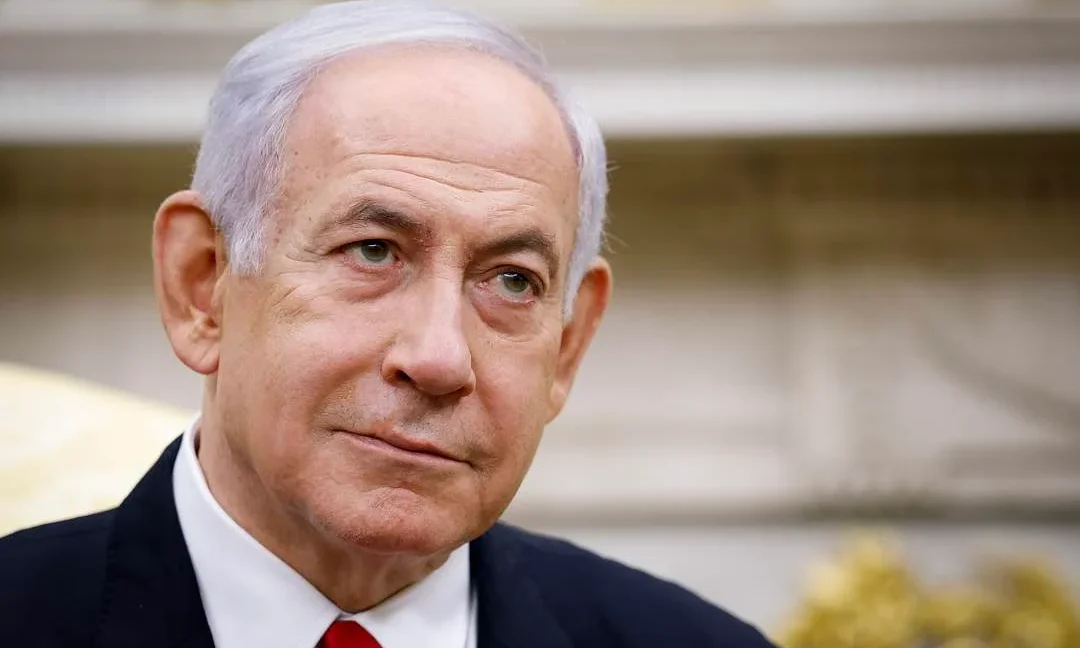
Yashar chairman Gadi Eisenkot has called for an immediate investigation into alleged election interference involving the Prime Minister’s Office, police and Shin Bet, accusing outgoing Prime Minister Benjamin Netanyahu and his associates of undermining Israel’s democratic institutions.
Eisenkot has escalated his confrontation with Netanyahu, warning that the conduct of the outgoing prime minister and his inner circle poses what he described as a “tangible, direct and immediate threat” to Israeli democracy.
In a statement published on X on Sunday evening, Eisenkot accused Netanyahu of using state institutions for personal political survival and crossing institutional boundaries in an effort to retain power.
He argued that Netanyahu should not remain in office during the government transition, insisting that his continued leadership would undermine the possibility of fair and legitimate elections in Israel.
“This is the central consideration guiding me in all the coalition negotiations I am conducting these days,” Eisenkot said, linking his concerns about democratic institutions to his efforts to form a new national emergency government.
Raises allegations of election manipulation
At the centre of Eisenkot's latest accusations is an alleged attempt to manipulate the October 27 parliamentary elections by planting evidence and deploying police against Arab citizens of Israel.
He alleged that the operation involved actions against Arab communities without valid search or arrest warrants, raising questions about the conduct of law enforcement and security agencies during the electoral process.
The allegations come amid an already controversial investigation into suspected foreign interference in the elections, including claims of financial support to Arab political parties.
One reported incident involved the arrest of three Bedouin activists associated with the Ra'am party. Police searches of their homes reportedly took place without warrants, with officers citing intelligence as justification. The activists maintained that the cash recovered during the searches was intended for charitable purposes.

The broader investigation has also attracted criticism from Israeli law enforcement officials.
On November 11, reports indicated that police had informed prosecutors that their assessment found no evidence of security offences by Arab party leaders or sufficient grounds to interrogate them over alleged foreign interference.
Central Elections Committee Chairman and Supreme Court Justice Noam Sohlberg also said on November 12 that the information gathered had not yet produced evidence of wrongdoing and might never do so. He maintained that the election had been conducted properly.
Calls for investigation into Netanyahu's office
Eisenkot also referenced the ongoing Qatargate controversy, involving allegations of links between individuals connected to Netanyahu's office and Qatari interests.
He described the latest allegations of election interference as an even more serious affair, demanding an immediate investigation and calling on the Israel Police and Shin Bet domestic intelligence agency to publicly clarify the details emerging from the reports.
He further announced plans to establish a commission of inquiry to investigate the alleged involvement of the Prime Minister's Office in election-day activities and the conduct of security agencies before and during the October 27 elections.
The proposed inquiry would examine whether state institutions and security agencies were used in ways that compromised the integrity of the electoral process.
Election dispute deepens government formation crisis
Eisenkot's intervention comes as he works to assemble a new government following President Isaac Herzog's decision to grant him the mandate to form an administration.
His latest statement suggests that accountability for the conduct of the outgoing government and the protection of democratic institutions will be central to his coalition negotiations.
The dispute has become particularly sensitive following Netanyahu's claims of foreign interference in the elections, which saw his political bloc lose its parliamentary majority.
While the allegations of election manipulation remain contested and under scrutiny, the emerging dispute between political leaders, the police, Shin Bet and the Attorney General's Office has exposed deeper institutional tensions within Israel.
For Eisenkot, the issue is no longer simply about replacing Netanyahu through parliamentary negotiations but also about investigating the conduct of state institutions during a highly contentious election.




+256774552385 | info@ugdiplomat.com
Copyright © 2026 UG Diplomat -Product of CURRENTARC MEDIA