
News
Why Uganda Called Its Crude Oil “Pearl Sweet”

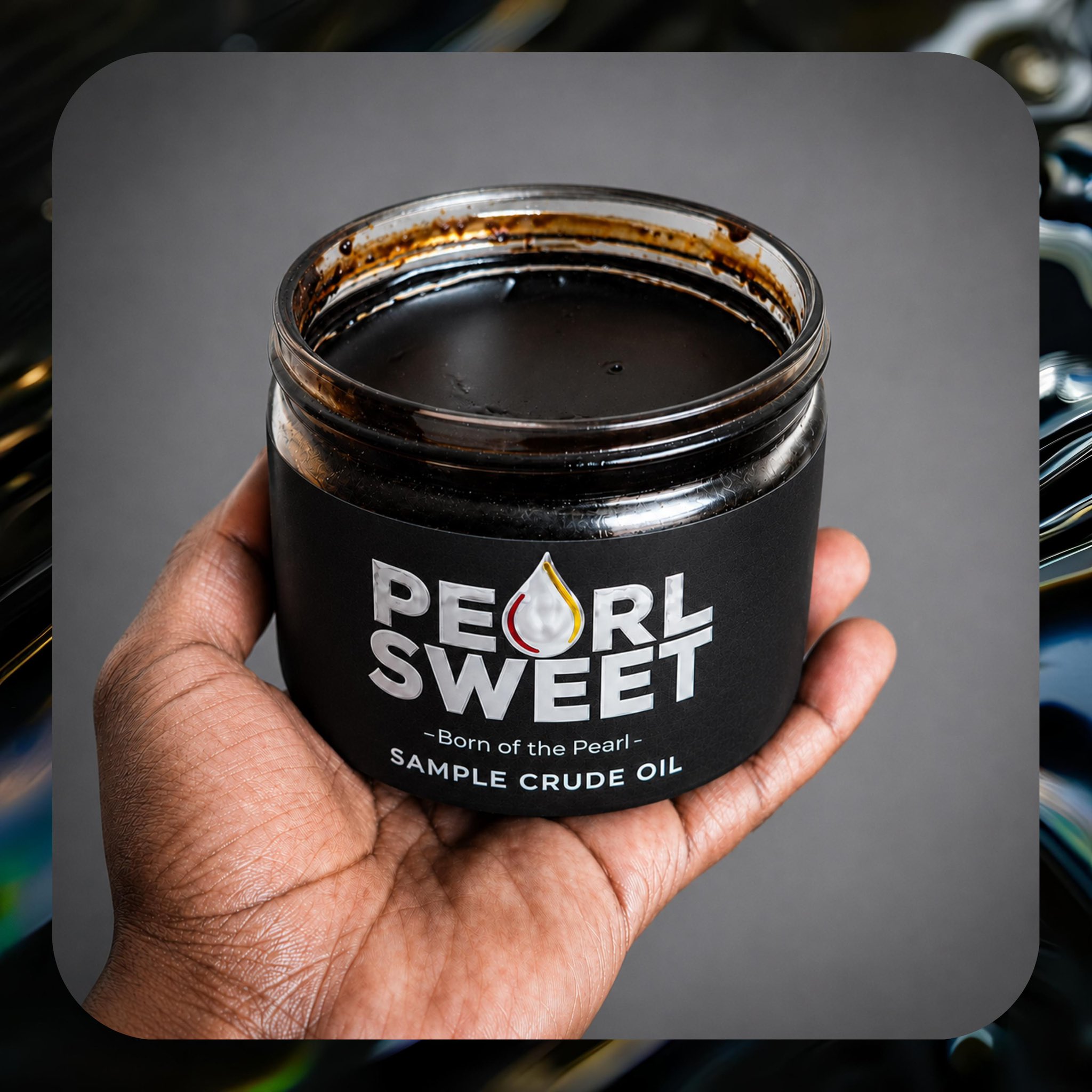
“Sweet” doesn’t mean Uganda’s oil tastes sweet. It refers to the amount of sulphur in the crude.
In the oil industry, sweet crude generally means crude oil with relatively low sulphur content, typically below about 0.5%. Crude with higher sulphur levels is known as sour crude.
The unusual terminology dates back to the early days of the petroleum industry, when oil prospectors reportedly used taste and smell as crude-quality indicators. Low-sulphur crude had a relatively mild taste, while crude containing more sulphur had a strong, unpleasant smell and taste. The terms “sweet” and “sour” stuck.
Sweet crude is highly valued because it is generally easier and less costly to refine into products such as petrol, diesel and jet fuel. Refineries processing low-sulphur crude typically require less extensive sulphur-removal treatment.

Two of the world’s best-known crude oil benchmarks, West Texas Intermediate (WTI) and Brent, are classified as relatively sweet crude grades.
So why “Pearl Sweet”?
The name combines Uganda’s long-standing identity as the “Pearl of Africa” with the technical characteristic of its crude.
Pearl = Uganda’s identity.
Sweet = the crude’s low-sulphur characteristic.
Together, “Pearl Sweet” gives Uganda’s crude a distinctive identity rooted both in the country’s brand and the qualities of its oil.
In short: Uganda’s “Pearl Sweet” is not a marketing name picked at random—it combines where the oil comes from with what makes the crude commercially desirable.