Health
Uganda, US Seal $1.7bn Health Deal, Shift Aid to Government

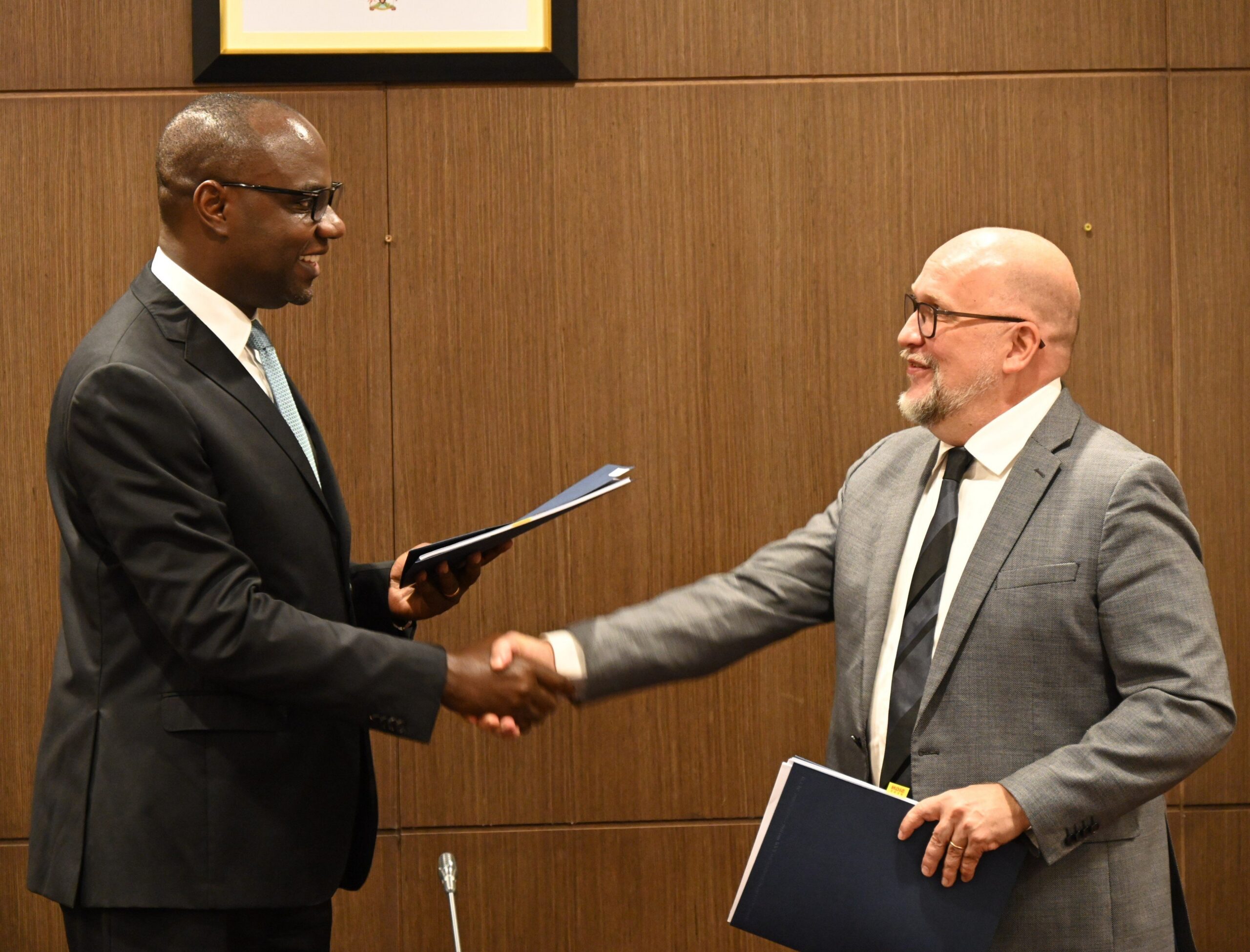
KAMPALA, Uganda — September 3, 2026: Uganda and the United States have signed a Strategic Objective Agreement (SOAG) that will guide health-sector cooperation between the two countries from 2026 to 2030, including approximately $1.7 billion (Shs6.42 trillion) in US support.
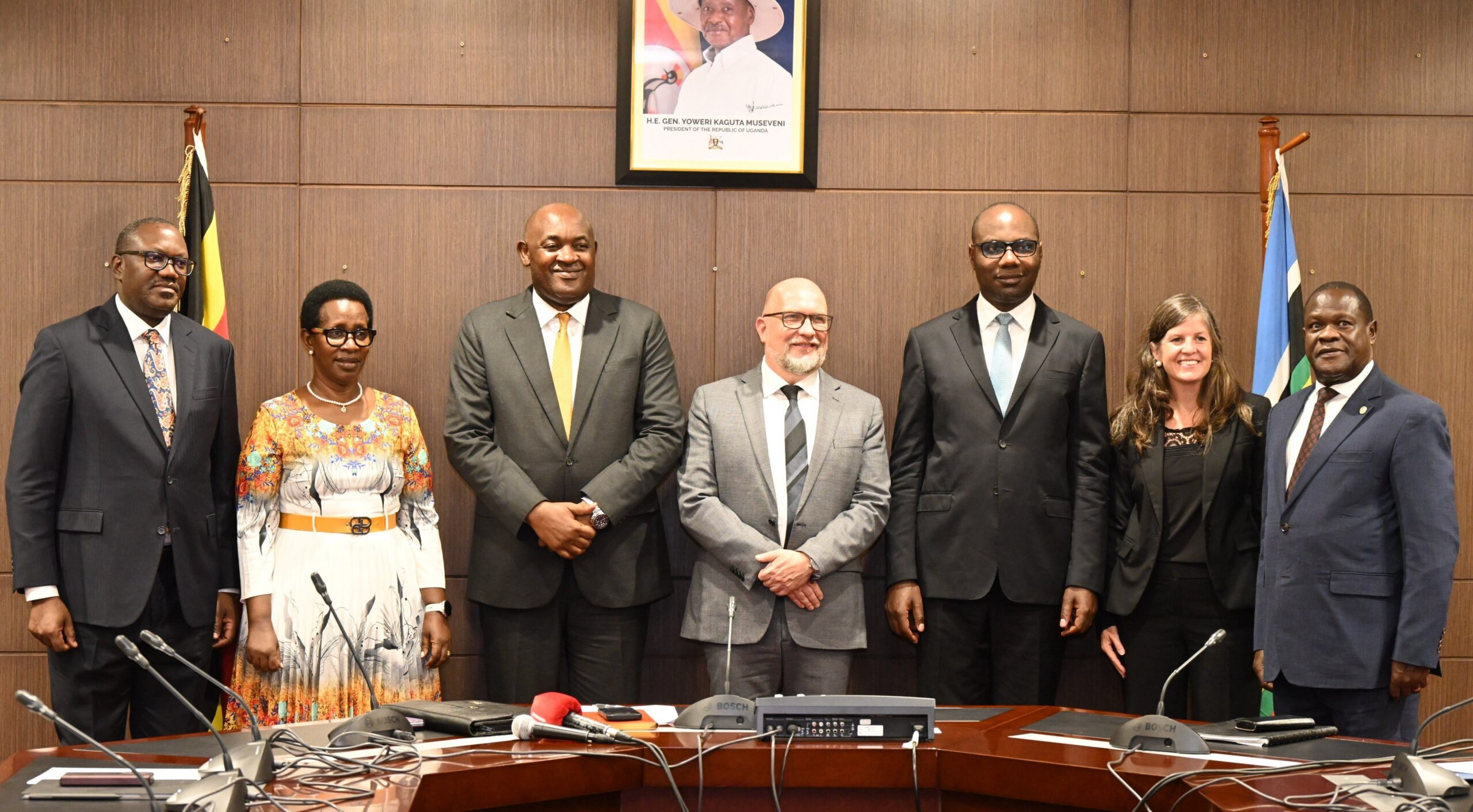
The agreement was signed in Kampala by Finance Minister Henry Musasizi on behalf of the Government of Uganda and US Embassy Chargé d’Affaires Mikael Cleverley on behalf of the United States.
The SOAG operationalises the Memorandum of Understanding signed on December 10, 2025, under which the US committed the funding to support the prevention, detection and response to emerging and existing infectious disease threats.
A major change under the new arrangement is the decision by the US Government to channel the support directly through the Government of Uganda, marking a shift away from predominantly off-budget assistance.

Speaking at the signing ceremony at the Ministry of Finance, Planning and Economic Development, Musasizi described the agreement as “another significant milestone” in the longstanding Uganda-US partnership.
He said Uganda valued the US contribution to the health sector, particularly in the fight against HIV/AIDS, tuberculosis and malaria, disease outbreak management, public-health surveillance and strengthening health commodity supply chains.
“These interventions have saved lives, strengthened communities and enhanced Uganda’s capacity to respond to public-health emergencies,” Musasizi said.
He welcomed the move towards government-to-government financing, saying it aligns with Uganda’s push for greater country ownership, alignment of external assistance with national priorities, and improved effectiveness and sustainability of development cooperation.
Musasizi, however, cautioned that external support alone cannot guarantee sustainable health outcomes.
“The Government of Uganda acknowledges that sustainable health outcomes require increased domestic financing,” he said, reaffirming the government’s commitment to progressively increase funding for the agreed interventions over the five-year period.
Under the new framework, the partnership will extend beyond disease-specific programmes to strengthen Uganda’s broader health systems and institutions.
The agreement will focus on areas including health workforce capacity, accountability, public-health systems and Uganda’s ability to plan, finance and deliver quality health services.
Cleverley said the agreement was more than a financing mechanism, describing it as a demonstration of US goodwill and confidence in Uganda’s leadership and health sector.
He said the new approach would empower Uganda to assume greater leadership in public health through government-to-government financing.
Health Minister Dr Chris Baryomunsi also welcomed the shift, saying it would allow resources to be directed to the health sector through the Ministry of Finance rather than being delivered predominantly through off-budget programmes.
Baryomunsi said Uganda continues to face a significant burden of both communicable and non-communicable diseases, making continued investment and international support necessary.
He pointed to improvements in key health indicators, including a decline in HIV prevalence from about 18.5 percent in the late 1980s and early 1990s to 5.9 percent, as well as an increase in life expectancy from approximately 43 years to 68 years.
The government says the new financing model is expected to strengthen national ownership of health programmes while improving coordination, accountability and the sustainability of investments made under the Uganda-US health partnership.