News
Uganda Pushes for Results as Africa Climate Finance Conference Opens in Kampala

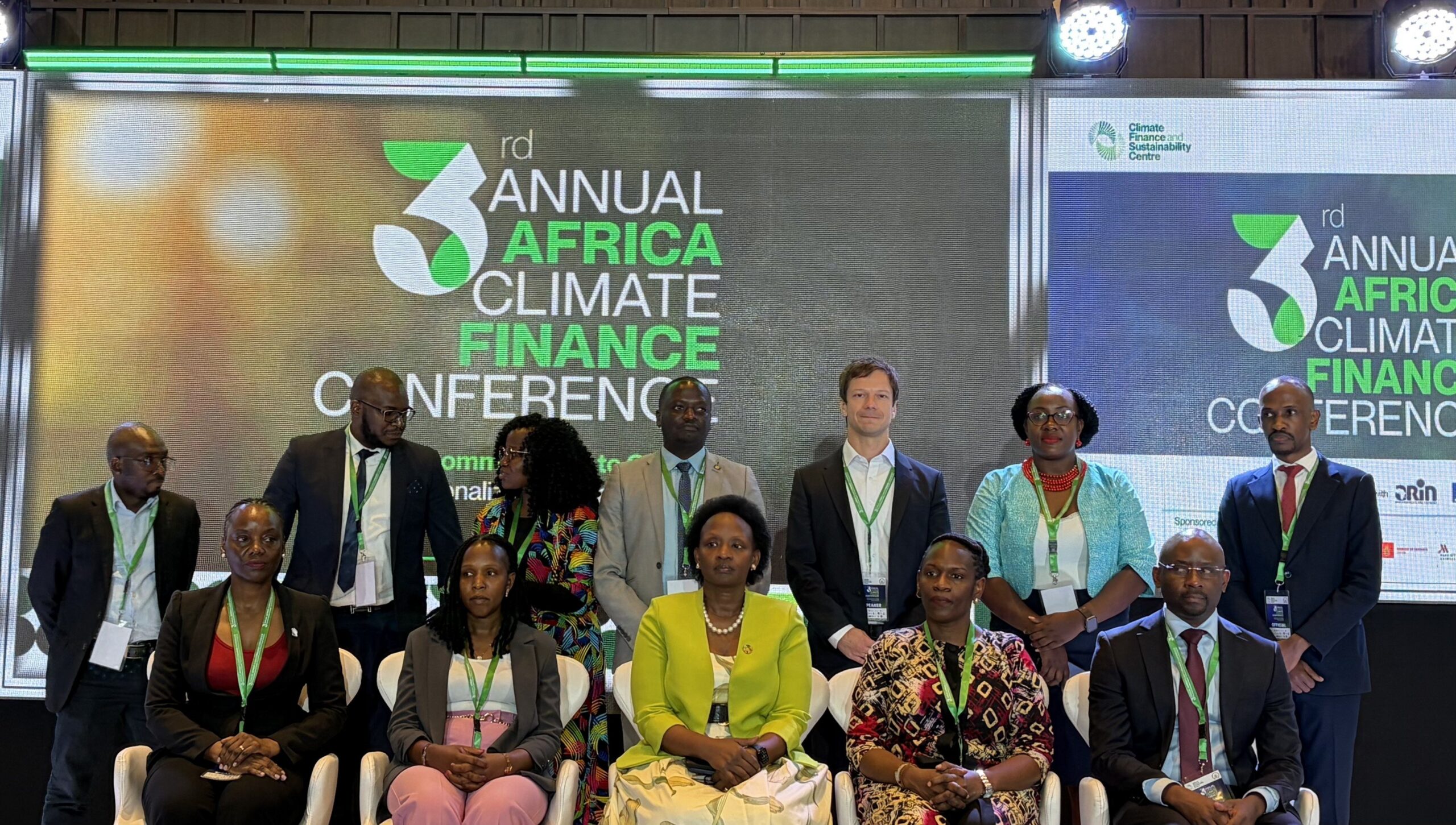
KAMPALA — Uganda has called for a shift from climate finance commitments and institutional frameworks to tangible investments and measurable results as the country hosts the third Annual Africa Climate Finance Conference in Kampala.
The conference, held at the Kampala Marriott Hotel under the theme “From Commitments to Capital: Operationalising Africa’s Climate Finance Architecture,” was opened on Tuesday by the Minister of State for Microfinance, Hon. Shartsi Kutesa Musherure.
Musherure said climate finance is central to Uganda’s economic transformation agenda but warned that the success of climate finance initiatives should be judged by the results they deliver rather than the institutions and systems established to support them.
“We should not confuse architecture with outcomes,” the Minister said.

She said strategies, taxonomies, project pipelines, tracking systems and institutions only become meaningful when they translate into actual financing, investments and improved accountability.
“A strategy is useful only if it influences financing decisions. A taxonomy is useful only if it changes investment decisions. A pipeline is useful only if projects reach financial close. A tracking system is useful only if it enhances accountability. And an institution is useful only if it delivers,” she said.
Uganda Moves from Frameworks to Implementation
Over the past three years, the Ugandan government has developed a dedicated climate finance framework within the Ministry of Finance, Planning and Economic Development, including the establishment of a Climate Finance Unit.
Government is now shifting its focus from setting up institutions and frameworks to implementing climate finance policies and integrating climate considerations into national planning, budgeting and public investment management.
The move is intended to ensure that climate finance is not only mobilised but also directed towards projects capable of delivering measurable economic, social and environmental benefits.
A key session at the conference focused on “Climate Finance Accountability, Tracking, Transparency and Fiscal Policy for Climate Action,” examining how Uganda and other African countries can strengthen systems for tracking climate finance from mobilisation through expenditure to actual outcomes.
The discussions are expected to address concerns over whether climate finance commitments are translating into investments on the ground and whether countries have adequate mechanisms to account for the resources received and spent.
Turning Climate Commitments into Capital
The conference has brought together government officials, Members of Parliament, development partners, private-sector investors, academics, civil society organisations and youth representatives.
Participants are expected to explore practical ways of closing the gap between climate finance pledges and the capital required to fund climate-resilient development across Africa.
For Uganda, the outcomes of the conference are expected to inform ongoing efforts to operationalise its climate finance architecture and strengthen the link between climate policy, public financing and investment decisions.
The conference comes as African countries continue to push for greater access to climate finance, particularly for projects addressing climate vulnerability, infrastructure, agriculture, energy and other areas critical to sustainable economic transformation.
Uganda’s message at the conference is clear: climate finance frameworks must ultimately be judged by the investments they unlock and the results they deliver—not simply by the institutions and strategies created to manage them.