News
IGAD Gives Ethiopia Election Clean Bill of Health

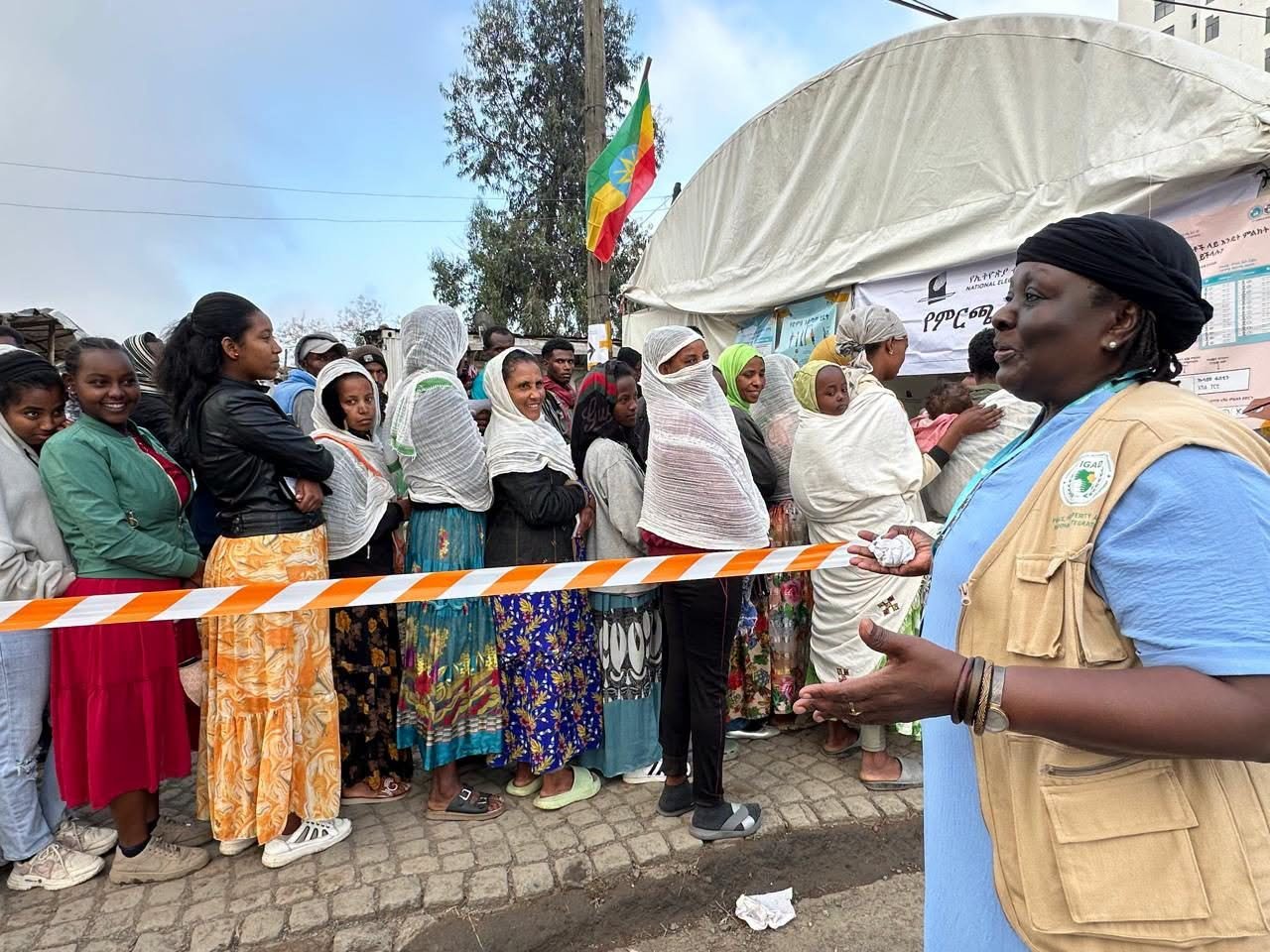
The Intergovernmental Authority on Development (IGAD) Election Observation Mission has reported that it has not observed any irregularities in Ethiopia’s 7th General Election, while commending the country’s progress in electoral administration, inclusivity, and the use of modern technology.
Speaking at a press briefing in Addis Ababa on Monday, the Head of the IGAD Election Observation Mission and former Ugandan Vice President, Dr. Speciosa Wandira Kazibwe, said the mission’s observers had not witnessed any violations of electoral laws or procedures during their monitoring activities across the country.
“We have not observed any irregularity,” Dr. Kazibwe stated, adding that the mission would continue to closely monitor developments as the electoral process concludes.
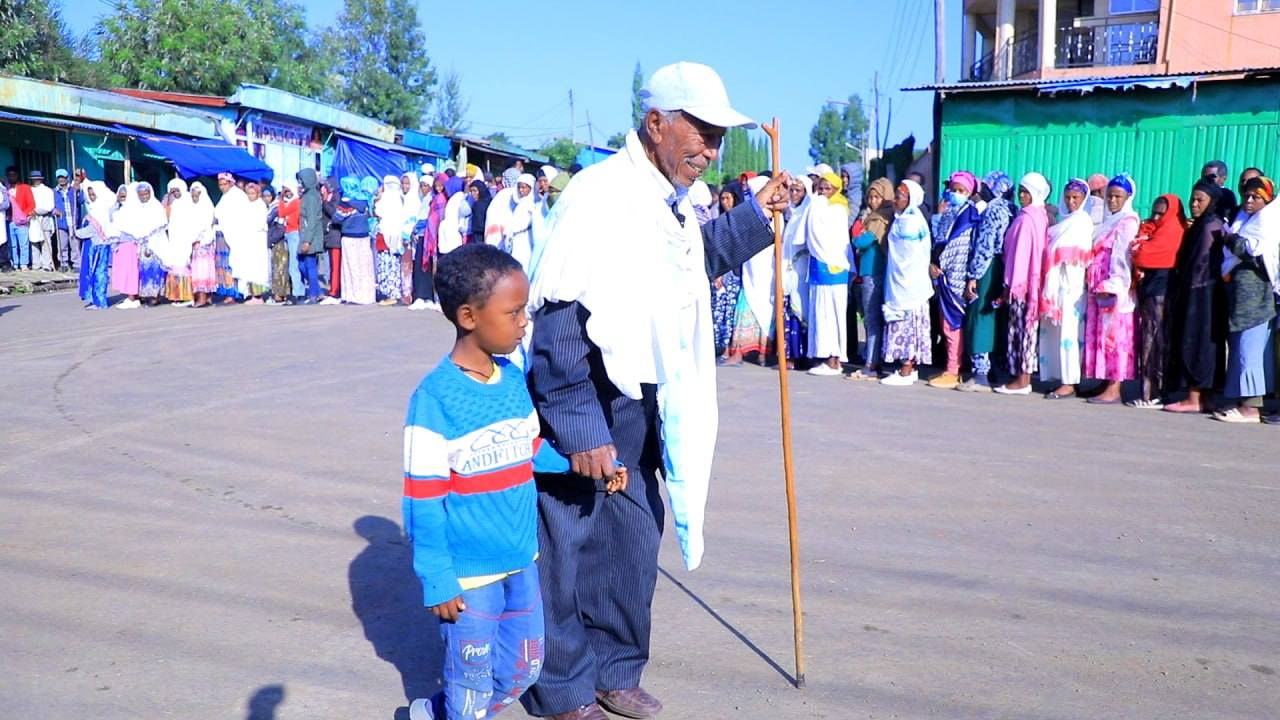
According to her, IGAD observers have been deployed in all regions where voting is taking place, except the Tigray region, and remain actively engaged in assessing the conduct of the election on the ground.

Dr. Kazibwe said consultations with the National Election Board of Ethiopia (NEBE), the Ethiopian Human Rights Commission (EHRC), civil society organizations, women’s associations, youth groups, and other stakeholders revealed significant progress in Ethiopia’s democratic and electoral development.
She highlighted improvements in voter registration and participation, voter education programs, training of election officials, and measures aimed at making polling stations accessible to women, persons with disabilities, older persons, pregnant women, and other groups requiring special assistance.
“An election cannot be considered democratic unless every eligible citizen is given the opportunity to participate,” she said, emphasizing the importance of ensuring that all citizens can exercise their constitutional right to vote.
The IGAD mission head also commended Ethiopia’s increasing use of information technology in election management, describing the country as one of Africa’s leading adopters of modern technological solutions in electoral administration.
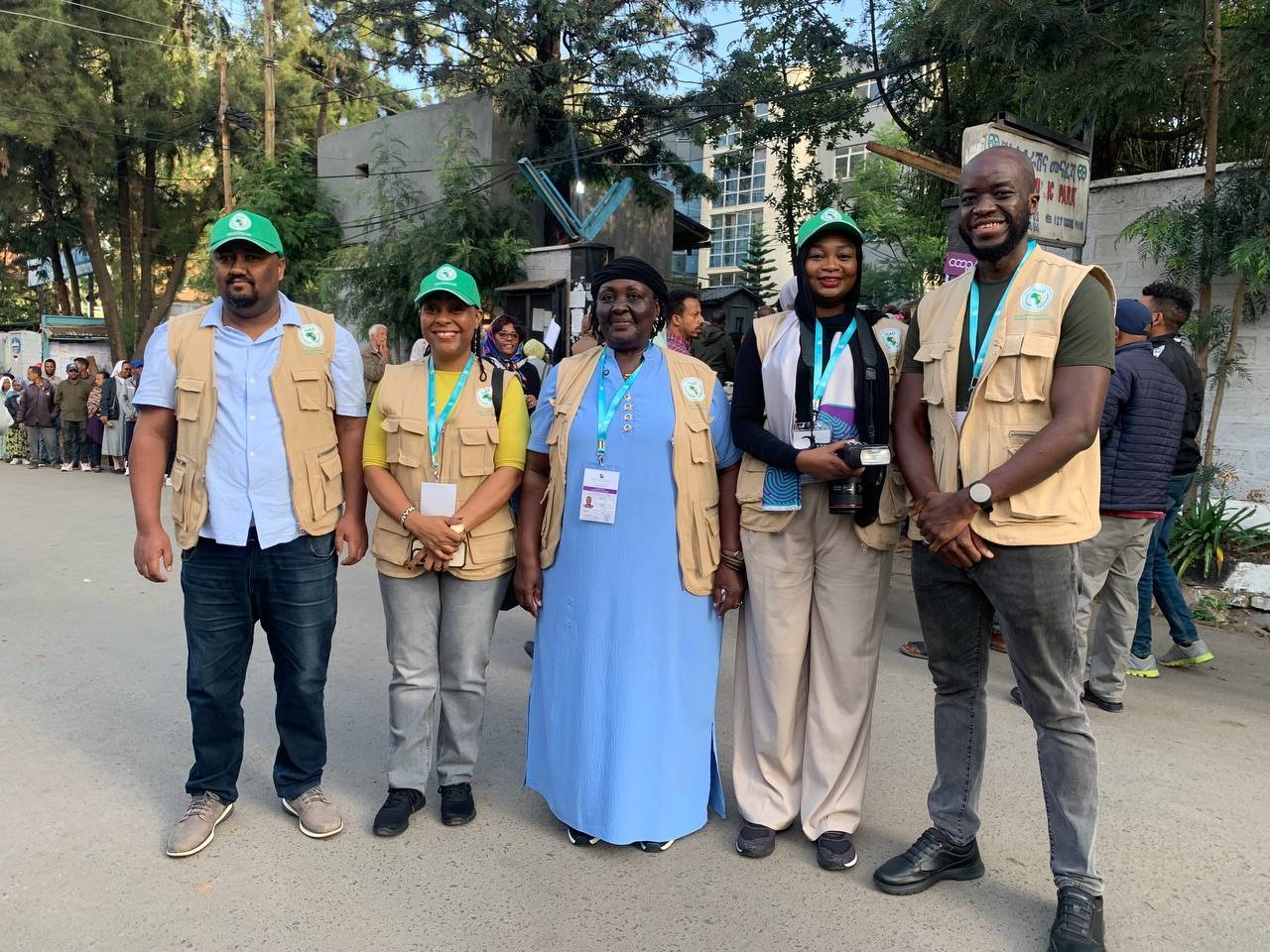
Dr. Speciosa Wandira Kazibwe (C) with her colleagues
“Ethiopia is on top with respect to using modern technology,” she noted, adding that digital tools have enhanced communication, accelerated information sharing, and enabled timely responses to challenges that may arise during the voting process.
Dr. Kazibwe further praised the active involvement of Ethiopian youth, particularly their contributions to developing technological innovations and monitoring mechanisms that support the conduct of elections.