
Analysis
OPINION: Xenophobia: The Witchcraft of Africa That Prolongs Our Unity

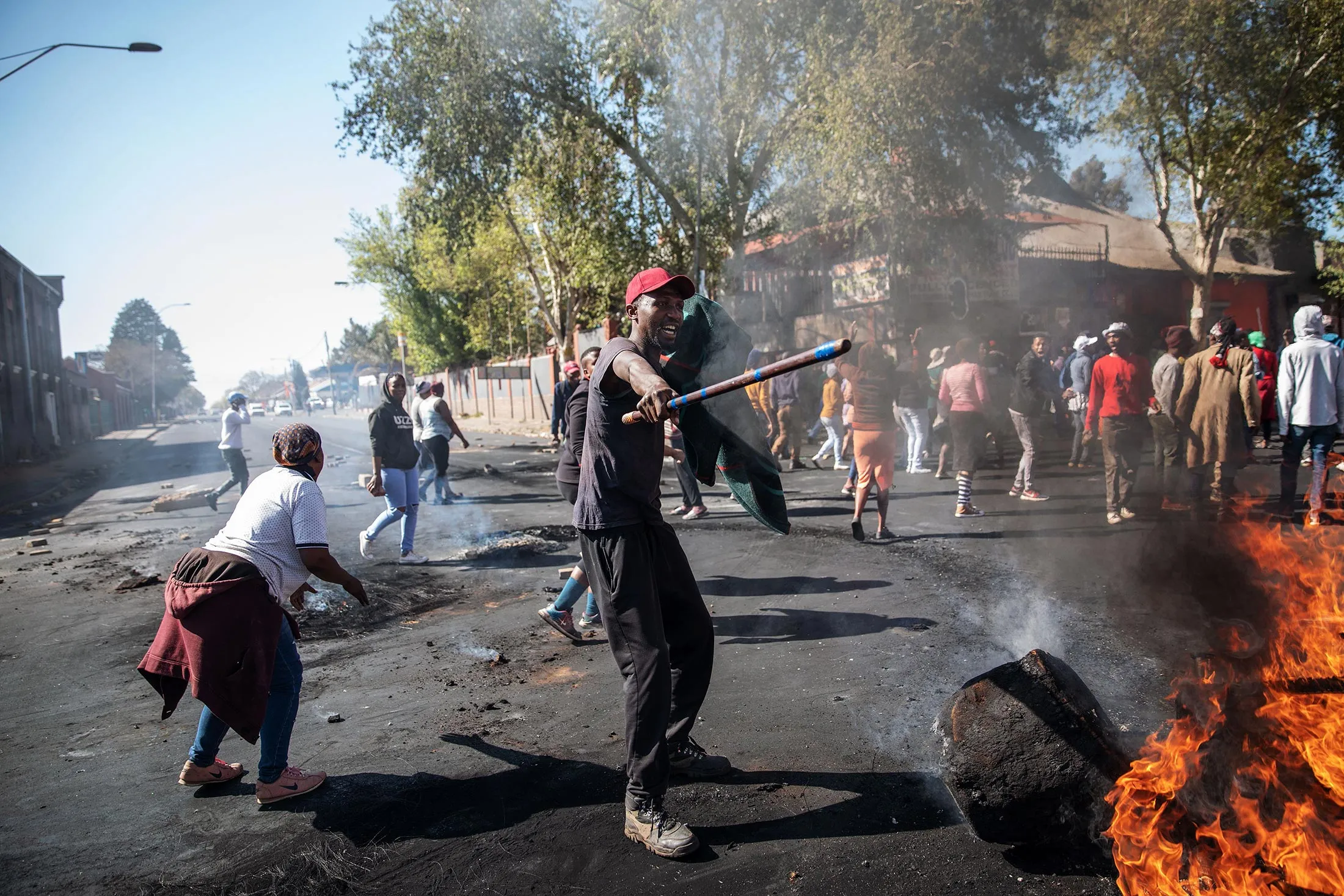
By Comrade Nabasa Wilson Alex
Africa has endured centuries of slavery, colonialism, apartheid, exploitation, and foreign domination. Yet one of the greatest threats to the continent today no longer comes from colonial armies, it comes from within. Xenophobia has become the modern witchcraft of Africa, poisoning minds, dividing brothers and sisters, and delaying the realization of the united, prosperous continent envisioned by our founding fathers.
Among the nations affected by this unfortunate trend, South Africa occupies a unique and significant position. The country that once symbolized hope, resilience, and the triumph of justice must not become synonymous with hostility toward fellow Africans. Violence against African migrants contradicts the very principles upon which the democratic South Africa was built.
South Africa’s Proud Place in Africa’s Liberation
South Africa’s freedom did not emerge in isolation. The struggle against apartheid was one chapter in the broader African liberation movement.
The African National Congress (ANC), founded in 1912, became the leading force against racial oppression and apartheid. Throughout its struggle, the ANC received unwavering political, diplomatic, military, and humanitarian support from African countries and the wider international community.
Countries such as Tanzania, Zambia, Angola, Mozambique, Zimbabwe, Uganda, Nigeria, Algeria, and many others provided sanctuary to South African freedom fighters. They trained liberation movements, hosted exiles, contributed financially, and risked economic and military retaliation because they believed that no African could truly be free while South Africans remained under apartheid.
Many African economies suffered because they imposed sanctions against the apartheid regime. Thousands of ordinary Africans sacrificed resources and opportunities for the liberation of South Africa. Their solidarity demonstrated the true meaning of Pan-Africanism—that an injury to one African nation is an injury to the entire continent.
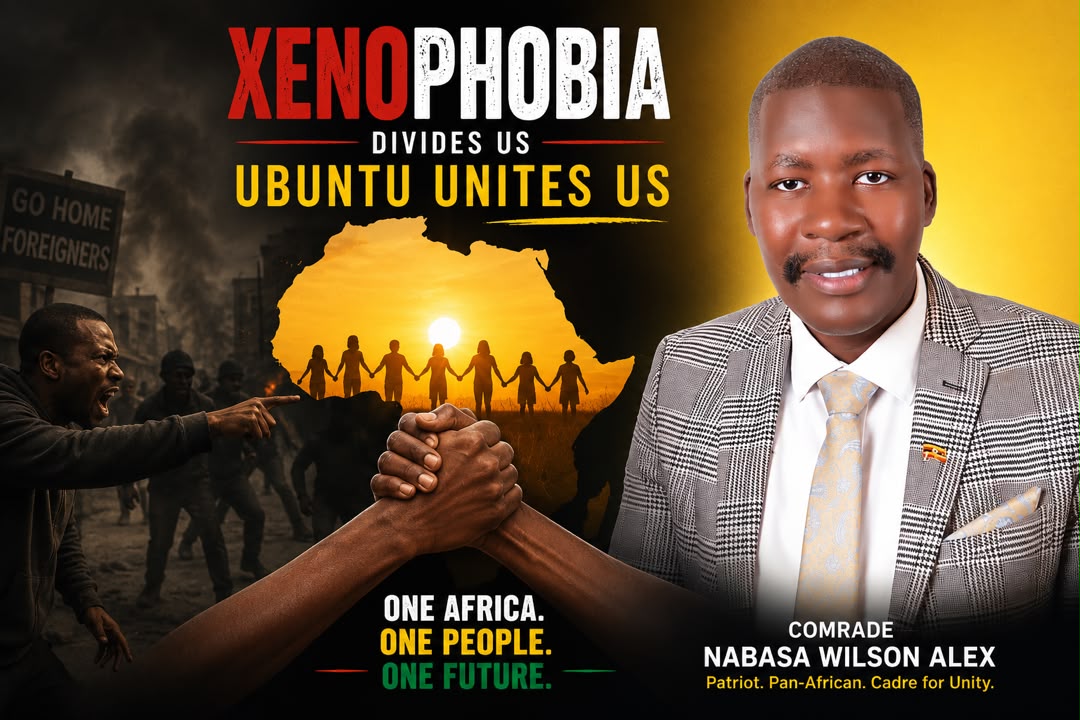
Mr Nabasa Wilson Alex
Nelson Mandela’s Vision Was Bigger Than South Africa
The late Nelson Rolihlahla Mandela emerged not merely as a South African icon but as an African statesman and global symbol of reconciliation.
Mandela consistently emphasized forgiveness over revenge, unity over division, and cooperation over hatred. His presidency inspired millions because he understood that South Africa belonged not only to its citizens but also held a special responsibility toward the African continent.
Mandela appreciated the sacrifices made by neighboring countries and repeatedly acknowledged that South Africa owed a debt of gratitude to Africa.
One wonders what Mandela would say if he witnessed fellow Africans being attacked, humiliated, or murdered simply because they were born across an artificial colonial border.
Colonial Borders Should Never Divide African Brotherhood
The borders that separate African countries were largely drawn during the Berlin Conference of 1884–1885 by colonial powers with little regard for African communities, cultures, or histories.
Before colonialism, Africans traded, intermarried, migrated, and coexisted across regions. Families were not divided by passports. Communities identified first as Africans before colonial administrators imposed national boundaries.
Today, when a Zimbabwean, Nigerian, Malawian, Mozambican, Congolese, Ugandan, or Kenyan lives in South Africa, they remain fellow Africans not strangers or enemies.
To persecute them because of nationality undermines everything Africa fought for during the liberation struggle.
Xenophobia Benefits the Enemies of African Unity
Africans should ask themselves a difficult question:
Who benefits when Africans fight one another?
Certainly not Africa.
Whenever Africans turn against fellow Africans, those who historically benefited from Africa’s divisions celebrate quietly. Division weakens continental integration, discourages investment, interrupts trade, and delays economic transformation.
Whether intentionally or unintentionally, xenophobia serves the interests of those who have always preferred a fragmented Africa rather than a united and self-reliant continent.
South Africans should reject any attempt—whether political, economic, or external—to manipulate citizens into directing their frustrations toward fellow Africans instead of addressing the real structural challenges of unemployment, inequality, crime, and economic exclusion.
The Cost of Xenophobia
Xenophobia produces devastating consequences that extend far beyond the immediate victims.
It destroys innocent lives and livelihoods.
It discourages investment and tourism.
It damages South Africa’s international reputation.
It weakens regional cooperation.
It undermines the objectives of the African Continental Free Trade Area (AfCFTA).
It breeds mistrust among neighboring countries.
It fuels diplomatic tensions.
Most importantly, it erodes the moral authority South Africa earned through its victorious struggle against apartheid.
A nation once admired as the beacon of African freedom should never become associated with violence against fellow Africans.
African Unity Is Not an Option- It Is a Necessity
No African country can achieve its full potential in isolation.
The world’s major powers continue to build stronger regional blocs because they understand that unity creates strength.
Africa possesses enormous natural resources, a youthful population, fertile land, strategic minerals, and expanding markets. Together, African nations can industrialize, trade, innovate, and negotiate globally from a position of strength.
United, Africa can reduce dependency on foreign powers.
United, Africa can create millions of jobs.
United, Africa can strengthen regional security.
United, Africa can speak with one powerful voice in global affairs.
Pan-African unity is therefore not merely an emotional aspiration; it is an economic, political, and strategic necessity.
South Africa’s Anthem Carries a Continental Message
One of the most beautiful symbols of South Africa’s democratic identity is its national anthem.
The anthem begins with “Nkosi Sikelel’ iAfrika”-“God Bless Africa.”
It is not “God Bless South Africa” alone.
The opening words embrace the entire African continent. They remind South Africans that their destiny is inseparable from that of Africa itself.
Every time the anthem is sung, it carries a message of continental unity, hope, reconciliation, and shared destiny.
That message should not remain in song alone- it must be reflected in national conduct.
A Brotherly Appeal to South Africans
To our brothers and sisters in South Africa:
Africa stood with you during your darkest days.
Africa celebrated when Nelson Mandela walked free.
Africa rejoiced when apartheid fell.
Africa continues to admire your resilience, culture, economy, and democratic achievements.
Do not allow anger, misinformation, political opportunism, or external manipulation to destroy decades of African solidarity.
The challenges facing South Africa require collective solutions, not violence against fellow Africans who also seek dignity, safety, and opportunity.
Remember that today’s victim may become tomorrow’s rescuer.
Remember that no African nation stands alone forever.
Remember that history never forgets.
A Word to the Rest of Africa
At the same time, fellow African nations should resist the temptation to retaliate against innocent South Africans living or working within their borders. Responding to xenophobia with more xenophobia only deepens the cycle of hatred and division.
Our response should be guided by wisdom, diplomacy, justice, and Pan-African solidarity. Governments must protect all law-abiding residents, regardless of nationality, while working together to address the underlying causes of migration, unemployment, and insecurity.
Conclusion
The liberation of Africa was achieved because Africans chose solidarity over division.
The future prosperity of Africa will likewise depend on our willingness to stand together.
Xenophobia is the witchcraft of modern Africa. It curses the very hands that once lifted one another during the struggle for freedom. It delays economic integration, weakens our collective strength, and betrays the sacrifices of those who fought for a united continent.
Let South Africa once again become the shining beacon of African unity rather than a stage for African division.
As we sing “Nkosi Sikelel’ iAfrika,” let us remember that God cannot bless an Africa that refuses to bless itself.
One Africa. One People. One Destiny.








Jackline
July 20, 2026 at 9:16 am
Its unfortunate that south Africa is trying to find another continent.Let them find their way as they depart uganda
Egudra John
July 20, 2026 at 11:06 am
It’s so unfortunate