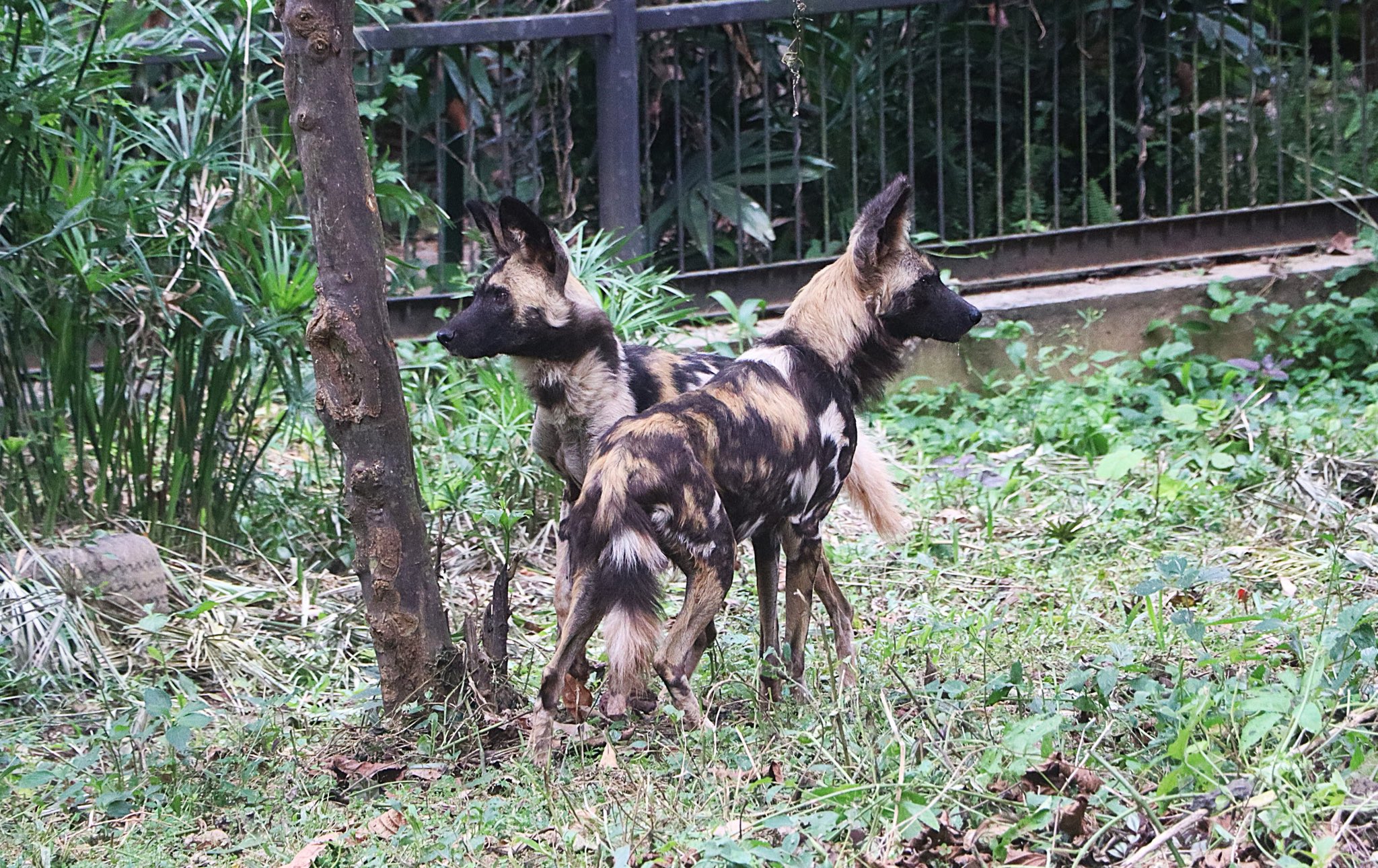
KAMPALA, Uganda – The Uganda Wildlife Authority (UWA) has expanded its ex-situ conservation programme with the addition of African wild dogs, a globally endangered carnivore whose population has declined sharply across Africa due to habitat loss, human-wildlife conflict, disease and poaching.
The move is part of UWA’s broader strategy to conserve threatened wildlife species while enhancing public education, scientific research and biodiversity conservation.
According to UWA, the African wild dogs have been incorporated into its managed animal collection to support conservation breeding, raise awareness about the species, and contribute to future recovery efforts.
Ex-situ conservation involves protecting endangered species outside their natural habitats through carefully managed facilities such as wildlife conservation centres and zoological institutions. Such programmes complement in-situ conservation by providing safe environments for breeding, research and public education.
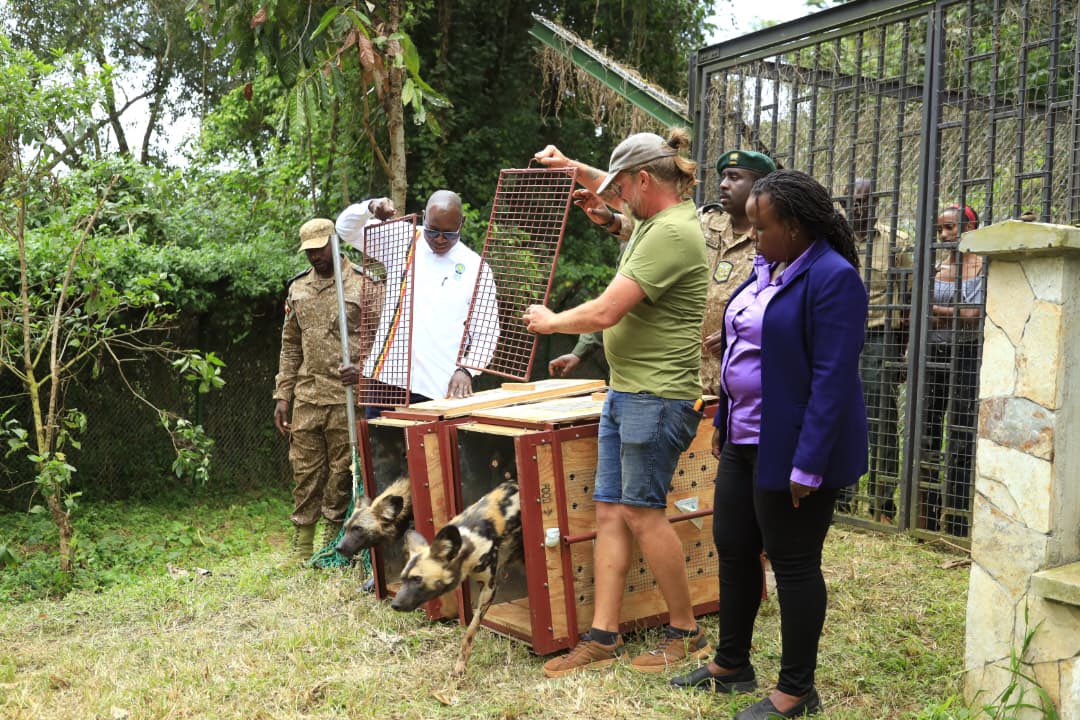
The inclusion of African wild dogs comes as Uganda intensifies efforts to protect its biodiversity under the country’s long-term wildlife conservation strategy. Although the species historically occurred in Uganda, it disappeared from much of the country decades ago following habitat degradation, persecution and declining prey populations. Conservationists, however, have reported occasional sightings in recent years, particularly around the Kidepo landscape, raising optimism about the species’ future in Uganda.
African wild dogs (Lycaon pictus), also known as painted dogs or painted wolves, are among Africa’s most endangered carnivores. The species is listed as Endangered on the International Union for Conservation of Nature (IUCN) Red List and plays a critical ecological role by regulating herbivore populations and maintaining healthy ecosystems.
UWA says adding the species to its ex-situ conservation programme will help strengthen conservation awareness among Ugandans, support scientific studies and provide opportunities for future conservation interventions should circumstances permit.
The initiative also aligns with Uganda’s broader efforts to recover threatened wildlife populations through habitat restoration, strengthened law enforcement against wildlife crime and implementation of species-specific conservation action plans.
Wildlife experts note that conserving apex predators such as African wild dogs is essential for maintaining balanced ecosystems and preserving Uganda’s rich natural heritage, which remains a cornerstone of the country’s tourism industry and environmental sustainability.
The latest development reinforces UWA’s commitment to safeguarding endangered species while positioning Uganda as an active contributor to regional and global biodiversity conservation initiatives.