
Otunnu Meets Lavrov to Secure Russia’s Support for UNSG Bid
September 14, 2026

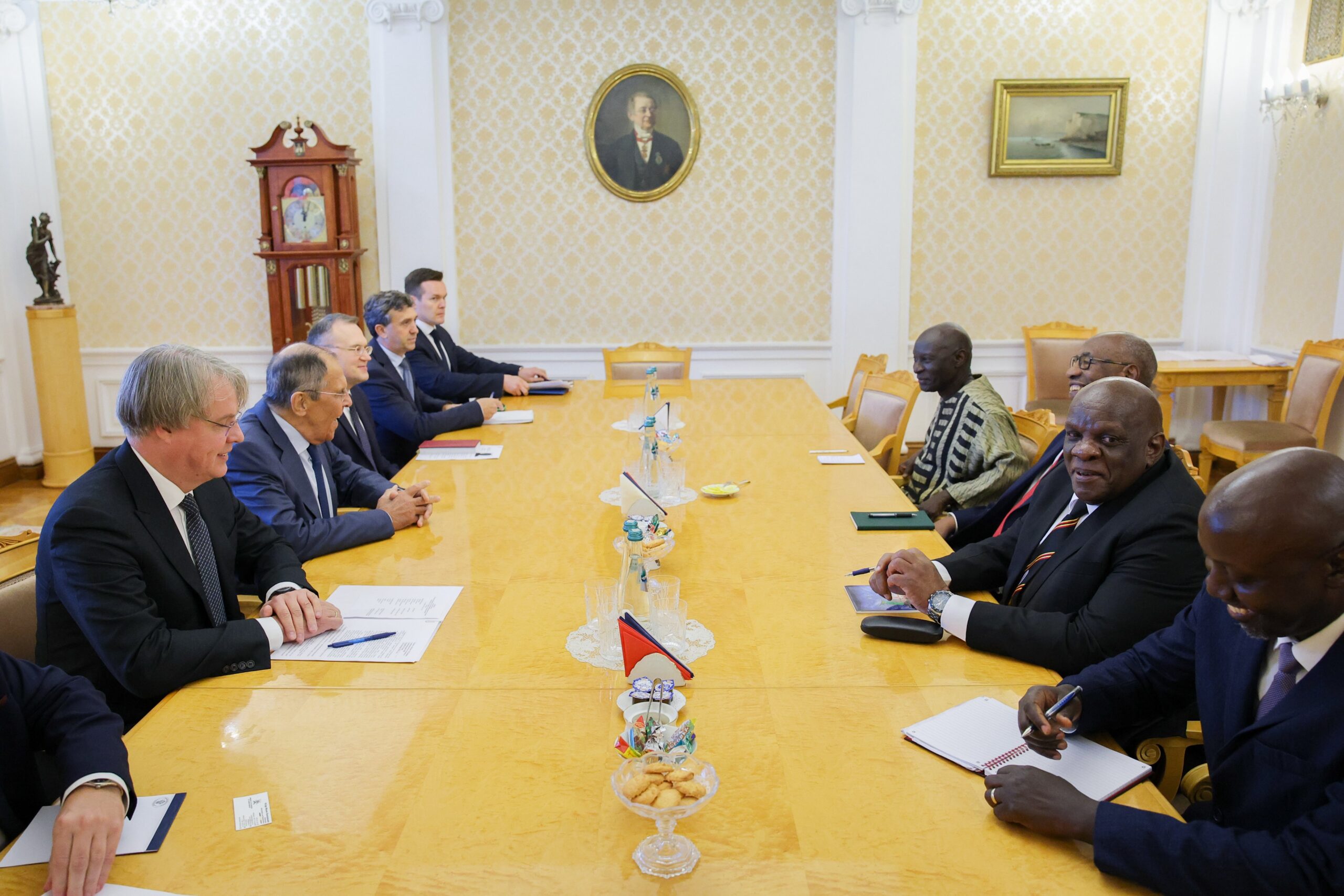
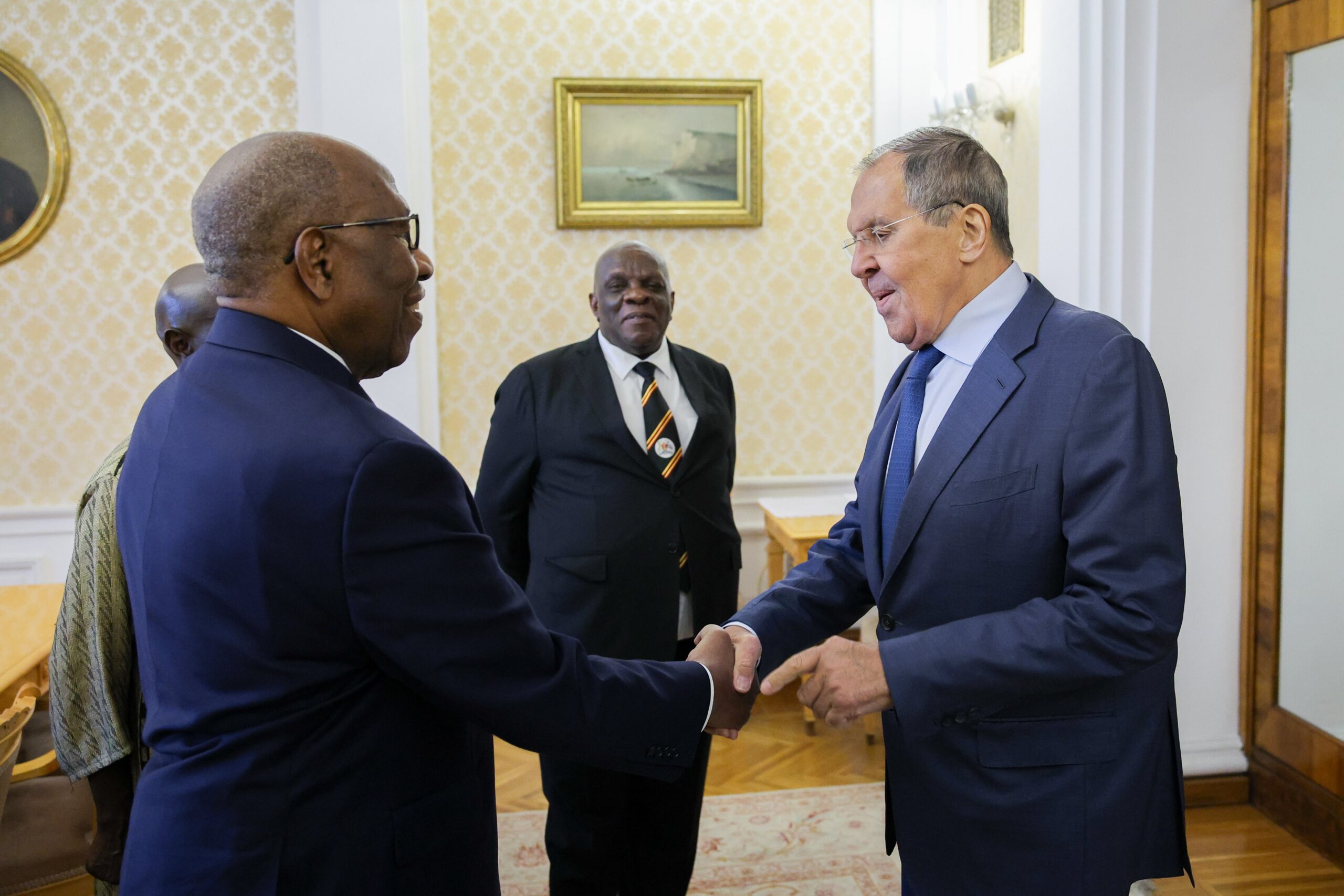
MOSCOW, Russia — Uganda’s candidate for United Nations Secretary-General, Ambassador Olara Otunnu, has stepped up efforts to secure the backing of Russia, one of the five permanent members of the UN Security Council, in a high-level meeting with Russian Foreign Minister Sergey Lavrov.
Otunnu met Lavrov in Moscow on Monday, September 14, accompanied by former Prime Minister Dr Ruhakana Rugunda, who is coordinating Uganda’s campaign for the UN’s top diplomatic post.
The meeting represents a significant diplomatic engagement in Uganda’s campaign, coming as the race enters a more consequential phase in which the positions of the Security Council’s five permanent members — Russia, China, France, the United Kingdom and the United States — will ultimately be critical to determining who succeeds Secretary-General António Guterres.
With Rugunda leading the campaign delegation, the Moscow engagement is understood as part of Uganda’s effort to secure Russian assurances of support for Otunnu, including protection against a possible veto when the Security Council eventually moves towards a formal recommendation.
The UN Secretary-General is appointed by the General Assembly on the recommendation of the Security Council. A candidate therefore needs at least nine votes in the 15-member Council and, critically, must avoid a veto from any of the five permanent members.
Why Russia matters
Russia's position is particularly important because the permanent members possess veto power over substantive Security Council decisions, including the recommendation of the next Secretary-General.
The significance of securing Moscow's position is heightened by the increasingly competitive nature of the 2026 succession contest.
In the second informal Security Council straw poll conducted on August 21, Otunnu received five “encourage” votes, five “discourage” votes and five “no opinion” votes.
Although he remained behind the leading candidates, the result represented a substantial improvement from the first straw poll on July 30, when he received only two “encourage” votes.
The second poll produced no candidate with the nine positive votes required to clearly establish a dominant position, leaving the race open and increasing the importance of individual diplomatic engagements with the permanent members.
Otunnu's five “discourage” votes also underline the challenge facing his campaign. In the UN selection process, opposition from a permanent member can effectively block a candidate regardless of support from other Council members.
Analysts have therefore identified the positions of the P5 as among the most consequential — and least publicly visible — elements of the contest.
Rugunda takes campaign to Moscow
The decision to have Rugunda accompany Otunnu underscores the strategic importance Uganda attaches to the Russian engagement.
President Yoweri Museveni appointed Rugunda as his Special Envoy to help coordinate and advance Otunnu's campaign, placing a senior Ugandan statesman at the centre of efforts to lobby key governments and UN Security Council members.
Otunnu's Moscow meeting therefore goes beyond a conventional diplomatic courtesy call. It places Uganda's candidate directly before the foreign minister of a country whose position could ultimately determine whether his candidacy survives the final stage of the selection process.
Russia's support would not, by itself, deliver the UN position to Otunnu. He would still need to build sufficient support among the wider Security Council membership and avoid opposition from the other permanent members.
But securing Moscow's assurance that it would not block his candidacy would remove one of the most significant potential obstacles facing the Ugandan candidate.
A race still wide open
The second straw poll showed Guyana's Carolyn Rodrigues-Birkett leading with eight “encourage” votes, followed by Costa Rica's Rebeca Grynspan and Argentina's Rafael Grossi, each with seven.
Senegal's Macky Sall received six, while Otunnu recorded five.
No candidate has yet reached the nine “encourage” votes that would signal a clear path towards a Security Council recommendation.
The results suggest that the race remains fluid and that extensive diplomatic lobbying will continue before the Council begins narrowing the field.
For Uganda, the challenge is therefore twofold: increasing Otunnu's support among the elected members of the Security Council while simultaneously ensuring that none of the P5 decides to block his candidacy.
Otunnu's reform message
Otunnu has presented himself as a candidate capable of rebuilding consensus within an increasingly divided international system.
During his General Assembly interactive dialogue on August 19, he called for action on conflicts including Ukraine, Gaza and conflicts in Africa, while arguing that the UN must return to the principles of human rights and the UN Charter.
He has also made reform of the Security Council a central element of his platform, arguing that the Council's composition reflects a historic imbalance that needs to be corrected.
Otunnu's diplomatic experience is one of the principal arguments advanced by his campaign. He previously served as Uganda's Permanent Representative to the UN and later as UN Under-Secretary-General and Special Representative for Children and Armed Conflict.
He was also involved in developing the informal “straw poll” mechanism used in the selection of Secretary-General candidates — a process that he now finds himself navigating as a candidate.
Moscow engagement comes at critical moment
The Lavrov meeting comes at a particularly important moment for Uganda's campaign.
With no candidate yet commanding the required level of support and the P5 retaining the ability to block any contender, securing understandings with the permanent members has become an essential component of the race.
For Kampala, a positive Russian position would represent more than another diplomatic endorsement. It would potentially remove one of the five veto hurdles standing between Otunnu and the UN's highest diplomatic office.
Whether Moscow will ultimately provide that assurance remains a matter of diplomatic significance.
The next stages of the contest are expected to reveal whether Uganda's campaign can convert its growing diplomatic outreach into enough Security Council support to move Otunnu from the middle of the field into contention for the final recommendation.
Guterres' second term ends on December 31, 2026, with his successor due to assume office on January 1, 2027.


+256774552385 | info@ugdiplomat.com
Copyright © 2026 UG Diplomat -Product of CURRENTARC MEDIA