News
Uganda, Vietnam Move to Turn Political Friendship Into Trade, Investment and Jobs

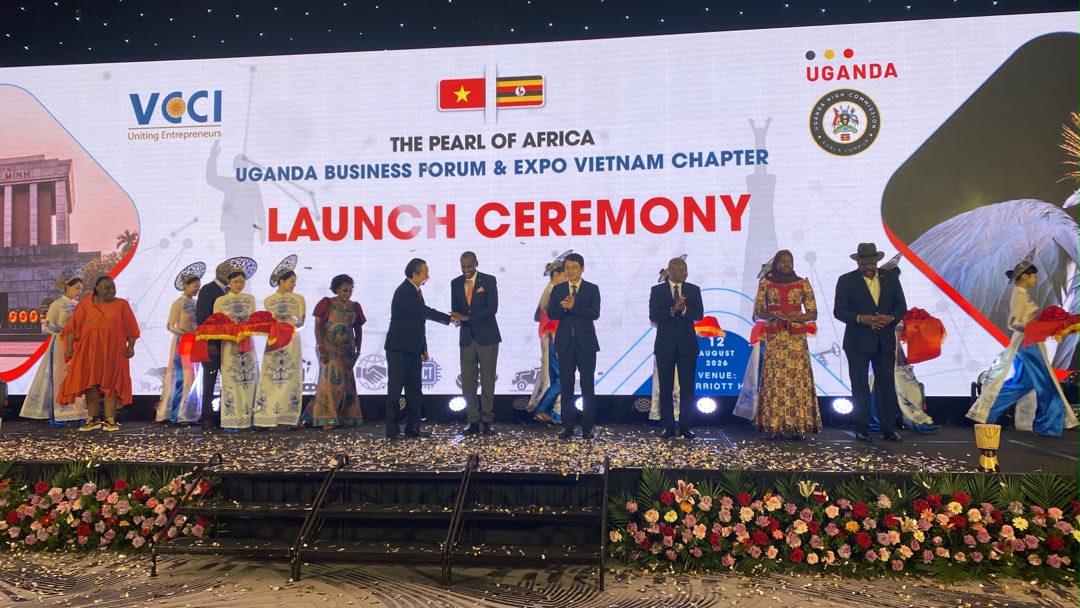
HANOI, Vietnam — August 13, 2026: Uganda and Vietnam are seeking to deepen their economic partnership, with officials and business leaders from both countries identifying trade, investment, ICT, agro-processing and coffee value addition as key areas for expanded cooperation.
The discussions took place during the Pearl of Africa Business Forum – Vietnam Chapter, which concluded in Hanoi on August 12, bringing together more than 300 participants from government, the private sector and the Ugandan community in Asia.
The forum was convened by the Uganda High Commission in Kuala Lumpur, which is accredited to Vietnam, together with Ugandan and Vietnamese government agencies and private-sector representatives.
The meeting sought to translate Uganda and Vietnam’s long-standing political relations into stronger commercial ties, with officials emphasising practical partnerships capable of generating investment, jobs and exports.
Trade ties show room for growth
Vietnamese Deputy Minister of Foreign Affairs Le Anh Tuan told the forum that bilateral trade increased from USD 28.6 million in 2024 to USD 53.4 million in 2025.
Other official figures presented during the forum put total bilateral trade in 2025 at USD 95.47 million, comprising Uganda’s exports worth USD 49.85 million and imports from Vietnam valued at USD 45.62 million.
Uganda’s leading exports included coffee, cotton and meat, while imports from Vietnam included animal feeds, cement clinker, electronics, garments and footwear.
The forum also highlighted opportunities presented by the African Continental Free Trade Area (AfCFTA), with Vietnamese buyers expressing interest in reliable supplies of Ugandan coffee and leather.

Vietnamese manufacturers also explored the possibility of using Uganda as a gateway to regional markets including Kenya, Rwanda, South Sudan and the Democratic Republic of Congo (DRC).
Vietnamese investors eye Uganda
Vietnamese investment in Uganda currently stands at approximately USD 40 million, according to the Ministry of Foreign Affairs.
Among the existing and emerging investments is a USD 35 million commitment by Ba Dinh JSC for gold exploration, while ATAD Steel has invested USD 500,000 in construction.
The forum’s investment discussions focused on practical issues affecting investors, including access to land, energy costs, skilled labour and the speed at which industrial projects can become operational.
Priority sectors identified included agro-processing, manufacturing, minerals, oil and gas, pharmaceuticals, renewable energy and tourism.
Vietnamese Deputy Foreign Minister Tuan said his country’s interest was centred on partnership rather than aid.
“Vietnam is not looking for aid. We are looking for partners to build with. Uganda offers the market and the resources. We bring technology and experience.”
ICT emerges as a key area for quick wins
Information and communications technology was identified as one of the areas with the greatest potential for rapid cooperation.
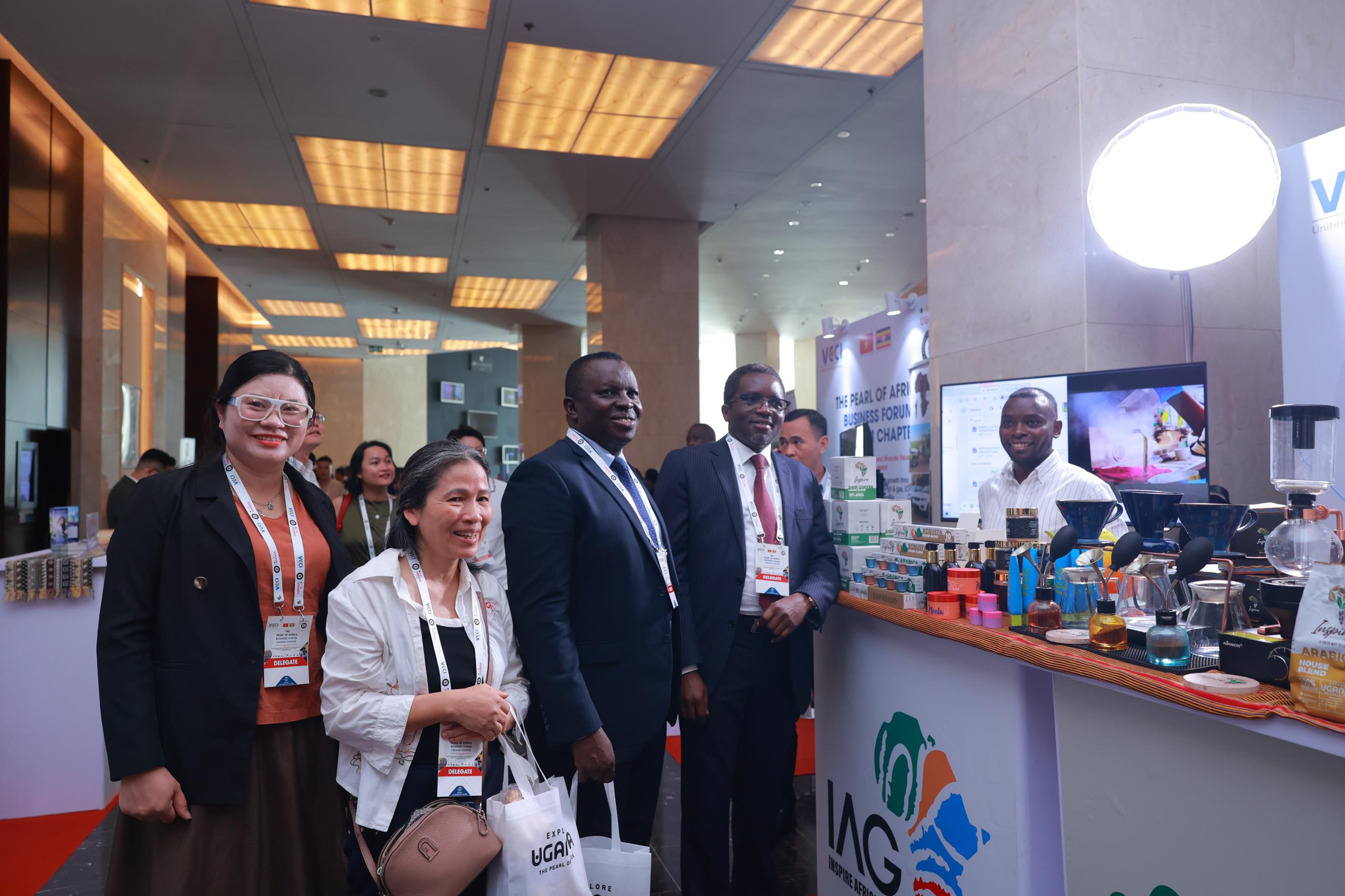
Ugandan and Vietnamese technology companies held discussions on digital payments for cross-border trade, agritech solutions for coffee traceability and a business process outsourcing (BPO) pilot that could create employment opportunities for Ugandan graduates supporting Vietnamese companies.
Agriculture Minister Frank Tumwebaze, speaking during the signing of a Coffee Value Chain Agreement, said Uganda should leverage its growing digital ecosystem to ensure that more value from agricultural production remains within the country.
“Our farmers are already on their phones. Our youth are already online. Let’s build the platforms here so the value stays here, in Kampala and in Hanoi,” Tumwebaze said.
The two sides agreed to return with two practical pilot proposals within 90 days, providing an initial framework for turning the ICT discussions into concrete projects.
Uganda, Vietnam sign coffee cooperation agreement
On the sidelines of the forum, Uganda and Vietnam signed a Collaboration Agreement on Coffee Value Chain Development, following a technical visit earlier in 2026.
The agreement is expected to strengthen cooperation along the coffee value chain and create opportunities for greater value addition and improved returns for producers.
Tumwebaze stressed that the success of such agreements would ultimately be measured by their impact on farmers.
“An MOU means nothing if a farmer doesn’t see a better price next season. That is the test,” he said.
Bigombe: Uganda wants partnerships, not speeches
Uganda’s High Commissioner to Kuala Lumpur, accredited to Vietnam, Ambassador Betty Oyella Bigombe, said Uganda’s objective was to secure concrete partnerships capable of delivering factories, jobs and exports.
“We did not come to Hanoi to make speeches. We came to find partners,” Bigombe said, describing Uganda’s land, people and market as complementary to Vietnam’s skills and industrial experience.
She said stronger bilateral relations and economic diplomacy with Vietnam could contribute to Uganda’s ambition of becoming a top middle-income country.
Uganda and Vietnam have maintained diplomatic relations for more than 50 years, with their partnership rooted in South-South cooperation, industrialisation and agricultural transformation.
The relationship received renewed momentum following President Yoweri Museveni’s State Visit to Vietnam in November 2022.
The Hanoi forum now leaves both countries with a broader agenda: converting political goodwill into investment, expanding trade, strengthening technology cooperation and building value chains that deliver tangible benefits to businesses and ordinary citizens.