News
Uganda Projects 9.1% Growth, Sets Sh79.2tn Budget Envelope for FY2027/28

By UG Diplomat Staff Writer
Uganda has set a preliminary Sh79.22 trillion resource envelope for the Financial Year 2027/28, as the government begins preparations for a budget expected to accelerate implementation of the Tenfold Growth Strategy and position the economy for faster expansion.
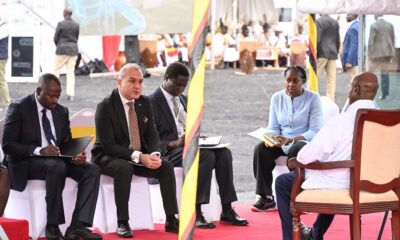
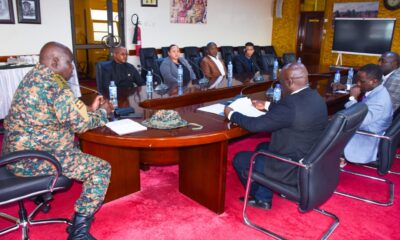
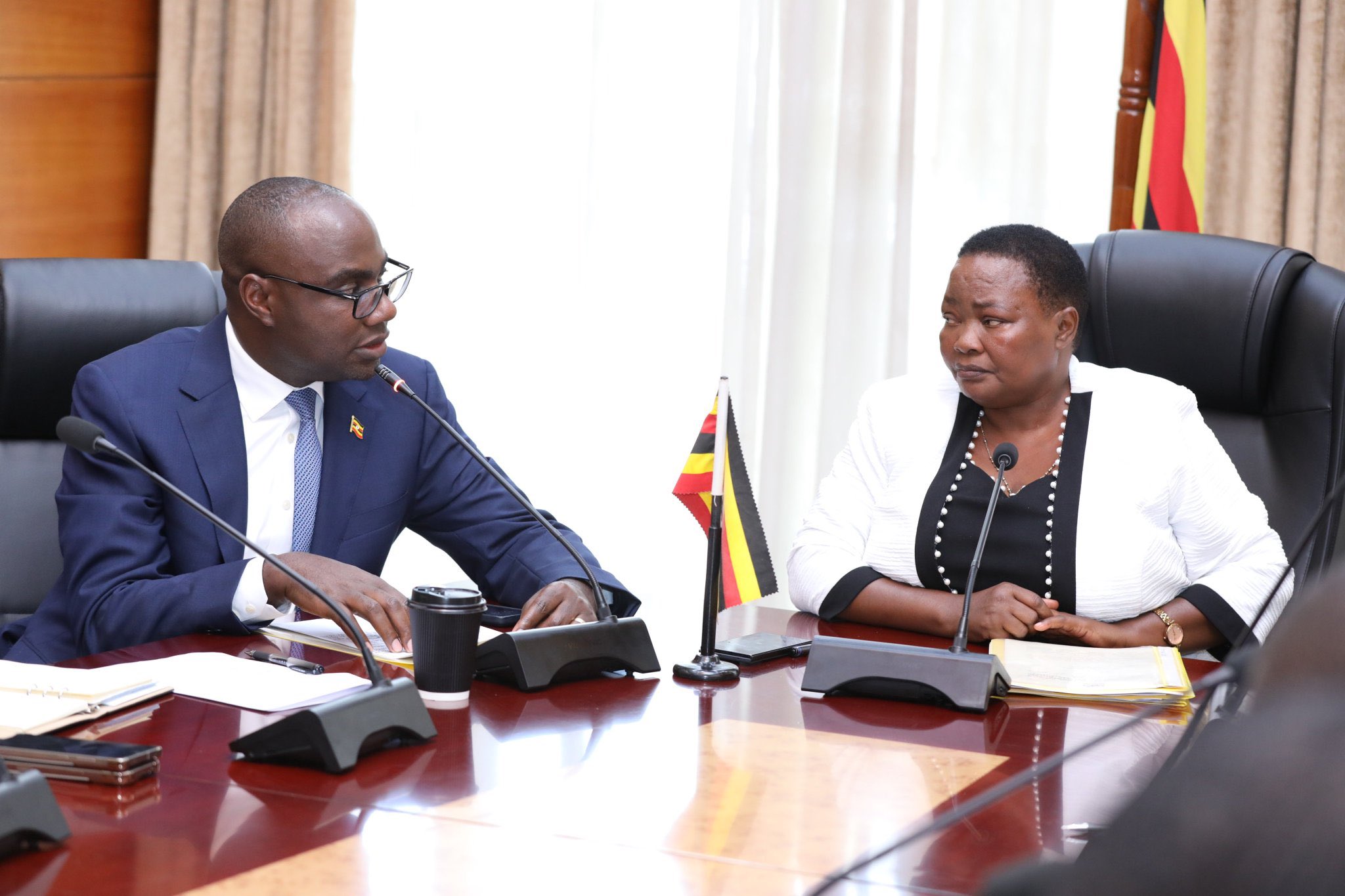
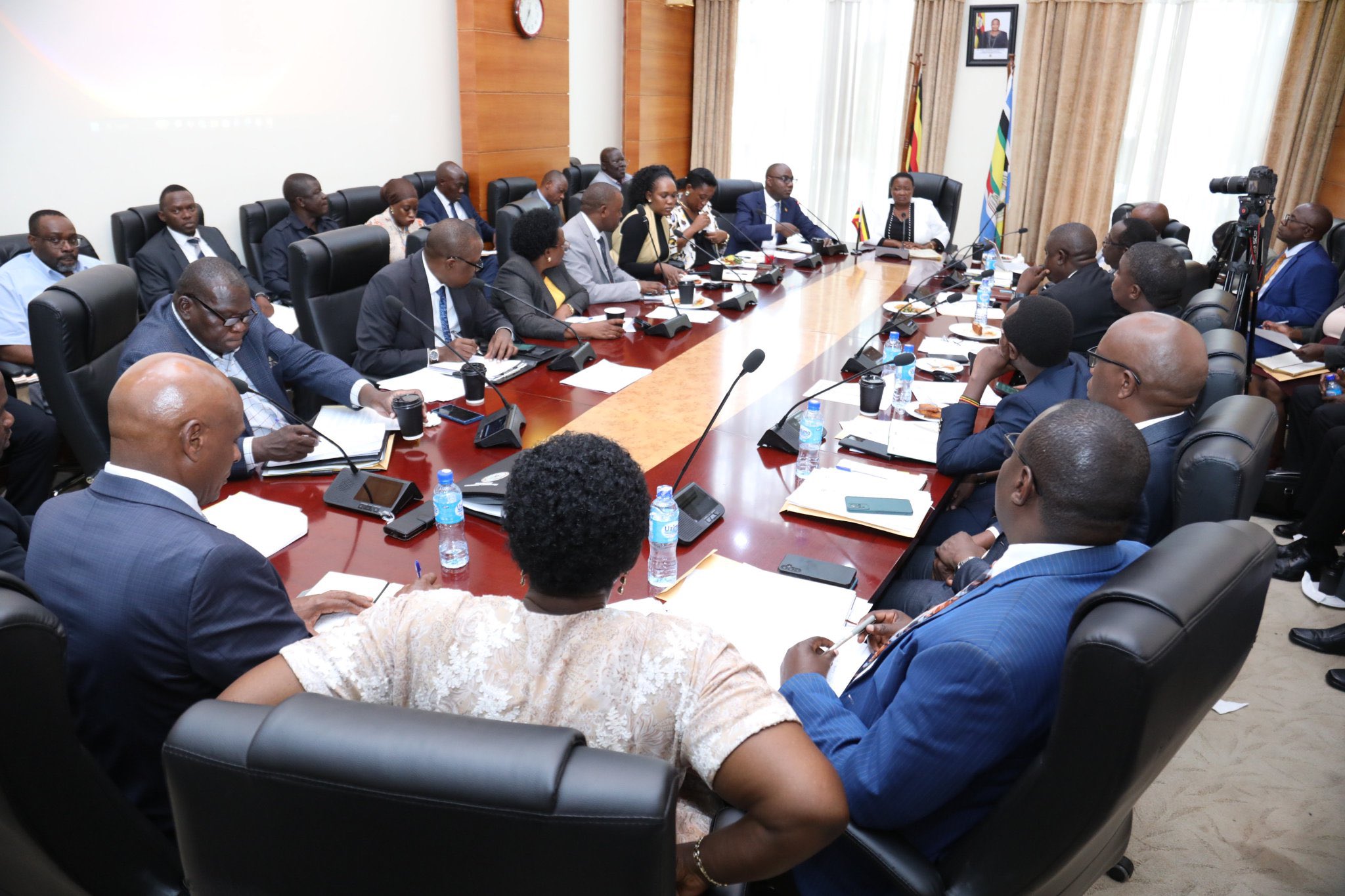
Finance Minister Henry Musasizi presented the FY2027/28 Budget Strategy during the launch of the Presidential Advisory Committee on Budget (PACOB) by Prime Minister Robinah Nabbanja.
The preliminary resource envelope is lower than the Sh84.39 trillion projected for FY2026/27. The government says the new budget framework will focus on ensuring that available public resources generate measurable economic returns.

The Ministry of Finance has formally published the FY2027/28 Budget Strategy as part of the national budget preparation process.
The budget will retain the theme:
“Full Monetisation of Uganda’s Economy through Commercial Agriculture, Industrialisation, Expanding and Broadening Services, Digital Transformation and Market Access.”
Musasizi said the strategy is designed to deepen implementation of the Tenfold Growth Strategy, the Fourth National Development Plan (NDP IV), the NRM Manifesto 2026–2031 and the Charter for Fiscal Responsibility.
Oil expected to drive faster growth
Musasizi said Uganda’s economy is projected to expand rapidly as the country moves towards commercial oil and gas production, with the sector expected to generate wider linkages across construction, manufacturing, services and exports.
The government’s published budget strategy similarly identifies commercial oil and gas production as an important driver of the projected acceleration in economic growth.
The strategy places particular emphasis on agro-industrialisation, tourism, mineral-based industrial development and science, technology and innovation, alongside infrastructure development and market access.
Other priorities include irrigation, industrial parks, wealth-creation programmes, regional integration and expansion of export markets.
Focus shifts to jobs, exports and household incomes
The government says the FY2027/28 budget will place greater emphasis on productive jobs, export growth and rising household incomes.
Musasizi said public investments will increasingly be assessed according to their measurable contribution to the economy, including their ability to create jobs, increase exports or reduce foreign-exchange outflows, attract private investment and raise productivity.
The Ministry of Finance has also said the government intends to finance a larger share of development through domestic revenues and private capital, while reserving new borrowing for investments with demonstrable economic returns.
The strategy also calls for stronger implementation of wealth-creation programmes, sustainability of Parish Development Model enterprises, loan recovery and development of productive value chains.
Revenue mobilisation and private capital
Government plans to strengthen domestic revenue mobilisation while containing non-priority expenditure.
Measures outlined by the Finance Ministry include greater use of digital tax systems, improved data-sharing, stronger enforcement and expanded taxation of activities in the digital economy, gold and minerals.
The government also intends to mobilise foreign direct investment, equity partnerships, joint ventures, infrastructure bonds, Islamic and climate finance, project finance and public-private partnerships to supplement public resources.
Prime Minister Nabbanja, who launched PACOB at the Office of the Prime Minister, urged the committee to identify “priorities within priorities” and ensure that public resources translate into measurable results.
The FY2027/28 process comes as Uganda seeks to move from planning to more aggressive implementation of its long-term ambition of building a US$500 billion economy by 2040.
The first Budget Call Circular for FY2027/28 was also issued by the Ministry of Finance on September 18, marking another formal step in the preparation of the next national budget.