NEW YORK — The United Nations Security Council on Thursday began the first informal straw poll to gauge support for the seven candidates seeking to succeed Secretary-General António Guterres, marking a significant milestone in the race to lead the world’s premier multilateral organisation.
Held behind closed doors, the informal ballot allows the Council’s 15 members to assess the level of support for each candidate before formal recommendations are made to the UN General Assembly.
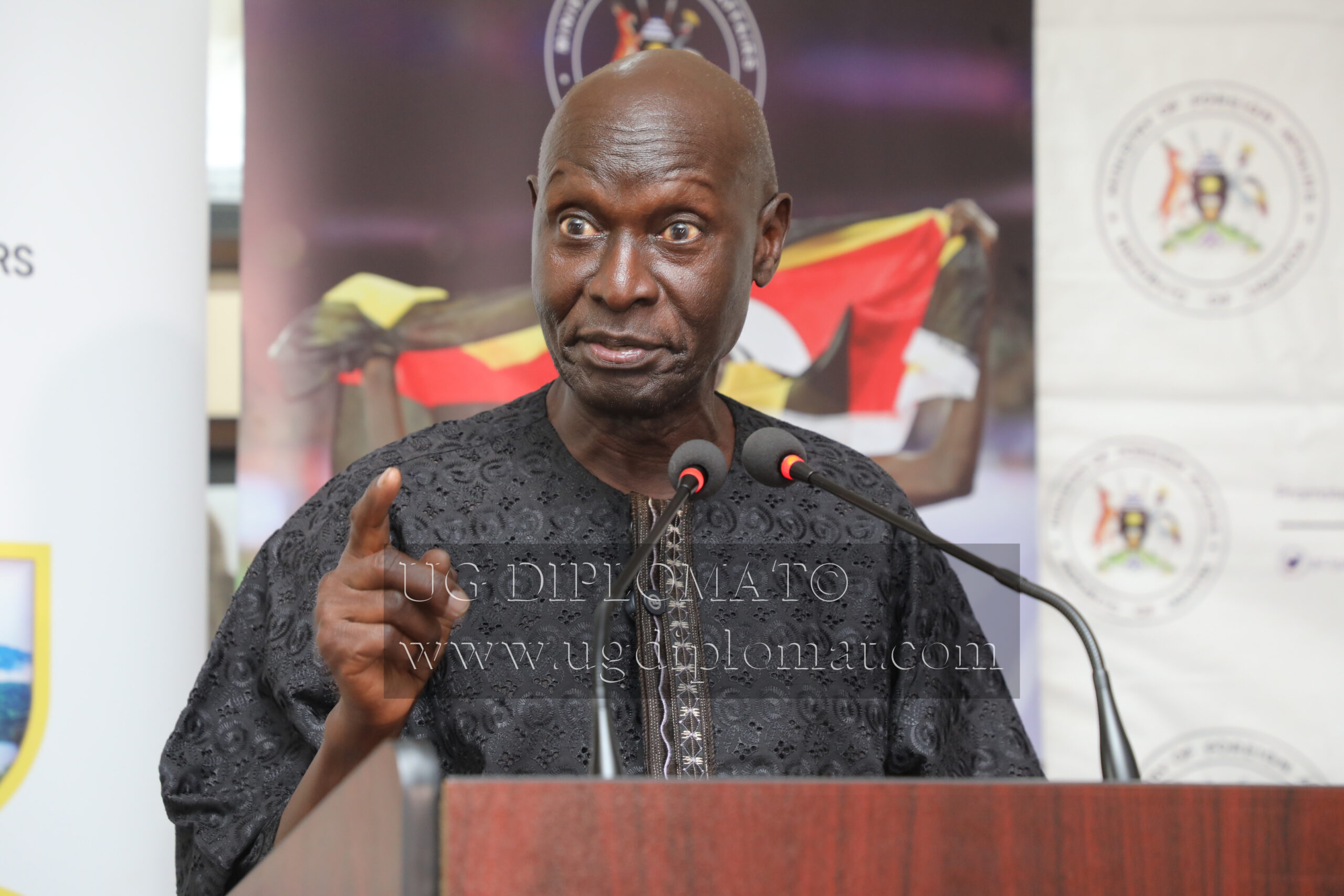
Among those in the race is Uganda’s Ambassador Olara Otunnu, whose candidature was formally presented this week by the Government of Uganda. Kampala has described the veteran diplomat as a seasoned consensus-builder with decades of experience in peacebuilding, international diplomacy and United Nations governance.
The seven declared candidates are former Chilean President Michelle Bachelet Jeria, former Ecuadorian Foreign Minister María Fernanda Espinosa Garcés, International Atomic Energy Agency Director General Rafael Mariano Grossi of Argentina, Costa Rican economist and former UN official Rebeca Grynspan Mayufis, Uganda’s Ambassador Olara Otunnu, Guyanese Foreign Minister Carolyn Rodrigues Birkett and former Senegalese President Macky Sall.
How the straw poll works
During the informal vote, each of the Security Council’s 15 members marks every candidate with one of three options: “Encourage,” “Discourage,” or “No Opinion.”
The early rounds are conducted using identical white ballots, ensuring complete anonymity and allowing members to indicate their preferences without revealing whether they are permanent or elected members of the Council.
As the selection process advances, later rounds introduce colour-coded ballots—typically red for the five permanent members (China, France, Russia, the United Kingdom and the United States)—making it possible to identify whether a candidate faces opposition from a country with veto power.
Although the straw polls are non-binding, they have become the most important indicator of which candidates command broad support and which are unlikely to secure the Security Council’s recommendation.
Full-circle moment for Otunnu
This year’s first straw poll carries particular historical significance for Uganda’s candidate.
The informal voting mechanism now used to select UN Secretaries-General traces its origins to 1981, when Ambassador Olara Otunnu, then Uganda’s Permanent Representative to the United Nations, proposed the confidential straw poll system to help break deadlocks within the Security Council.
More than four decades later, Otunnu is now seeking the organisation’s highest office through the very process he helped create—a rare full-circle moment in UN history.
Uganda officially launched his candidature on Wednesday, with the Ministry of Foreign Affairs describing him as a distinguished statesman whose extensive experience in diplomacy, peacebuilding and international governance positions him well to lead the United Nations.
Presenting his vision, Otunnu pledged to restore the moral authority of the Secretary-General’s office by prioritising conflict prevention, strengthening multilateral cooperation and accelerating reforms within the UN system.
His agenda places peace and security at the centre of the organisation’s work while also calling for stronger protection of women and children in conflict, reform of the UN bureaucracy, more representative global governance, equitable regulation of artificial intelligence, climate action and sustainable development financing.
Road to the General Assembly
The Security Council will continue holding additional straw polls over the coming weeks, gradually narrowing the field until one candidate emerges with broad support and no veto from any of the five permanent members.
Under Article 97 of the UN Charter, the Security Council recommends one candidate to the 193-member General Assembly, which then formally appoints the next Secretary-General.
The successful candidate will succeed António Guterres when his second five-year term ends on December 31, 2026, and assume office on January 1, 2027.
For Uganda, Thursday’s straw poll marks the first major international test of Otunnu’s campaign as he seeks to become the first Ugandan to lead the United Nations.