News
Uganda Presents Veteran Jurist Muzigo-Morrison for ICC Judgeship

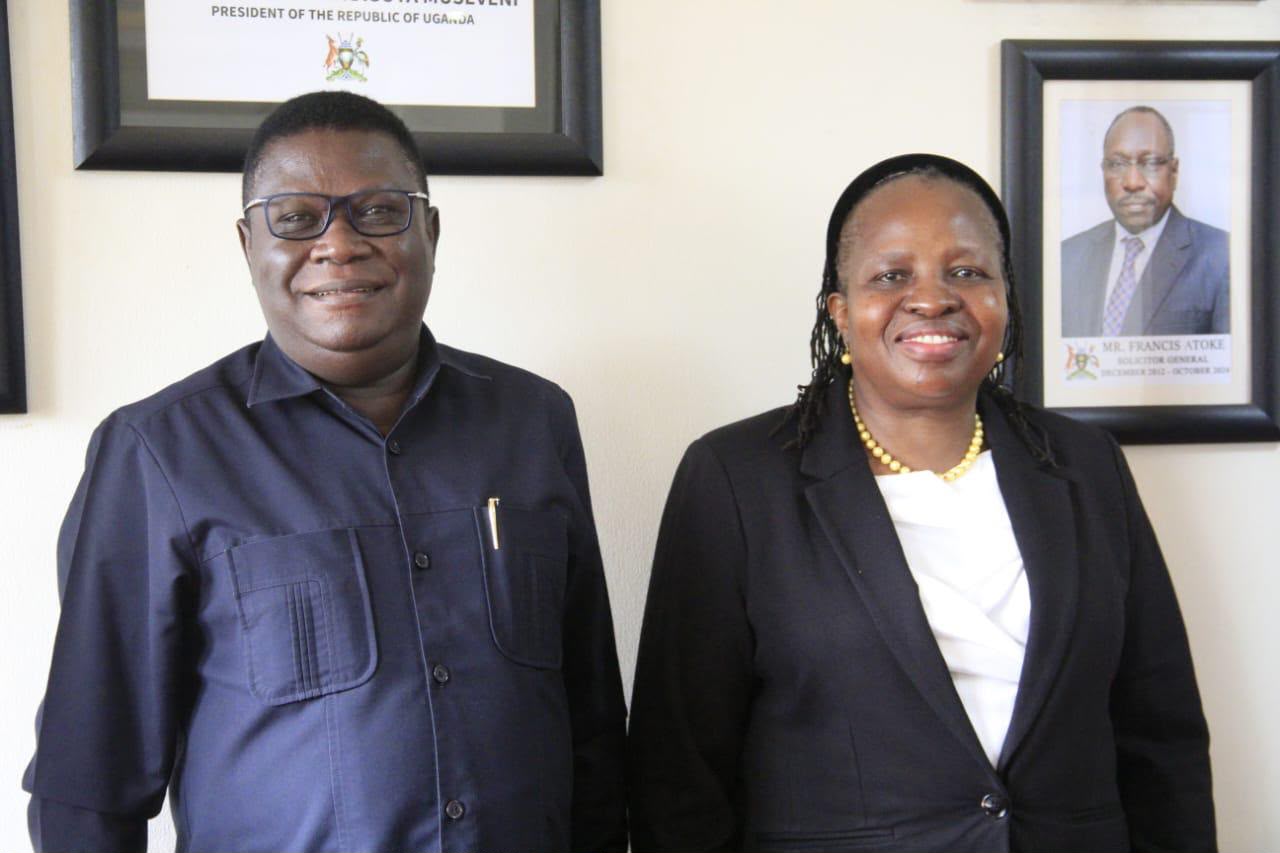
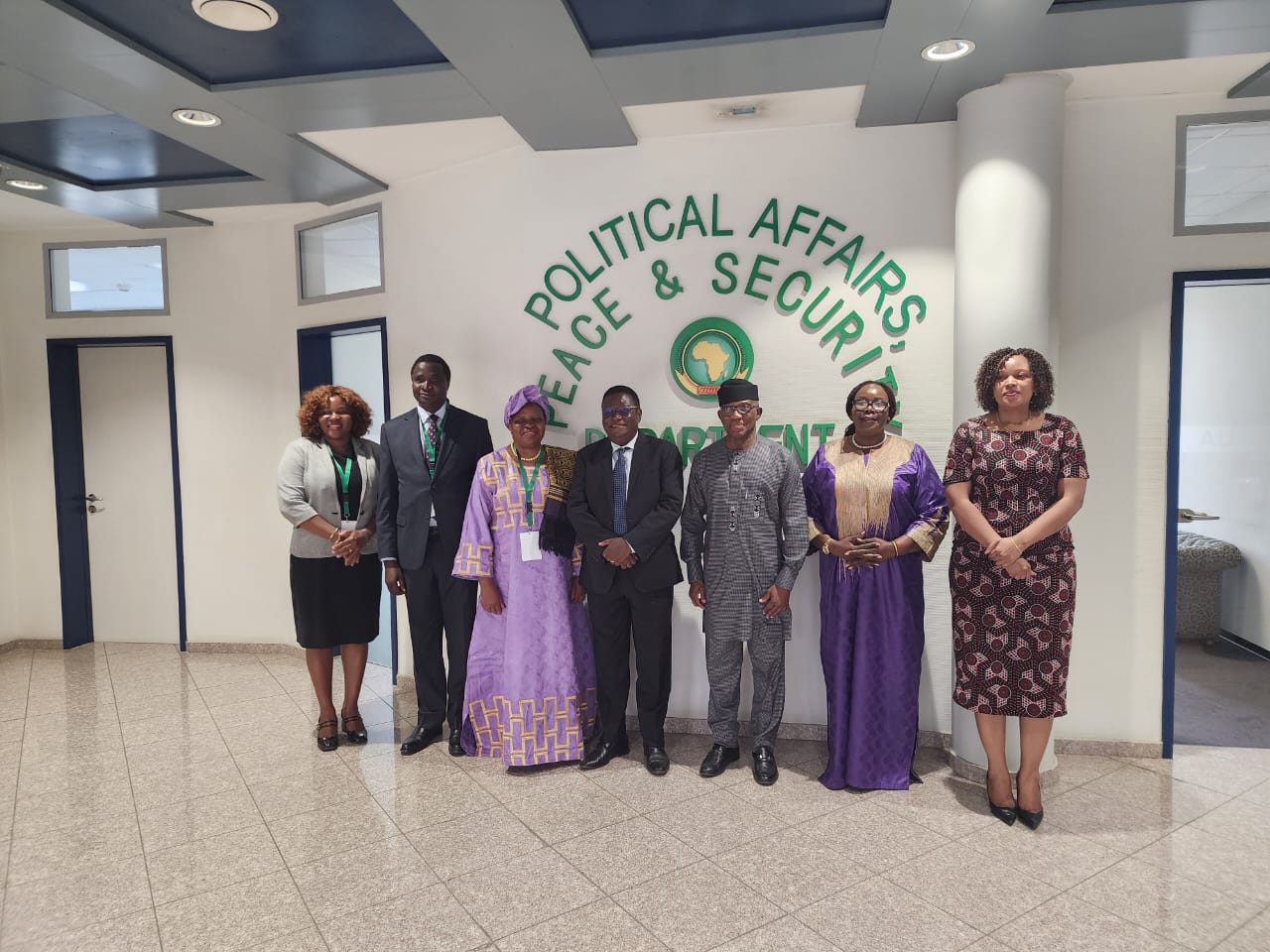
KAMPALA, Uganda — Uganda has formally presented veteran international criminal law expert Rosette Muzigo-Morrison to the African Union Ministerial Committee, seeking continental endorsement for her candidature in the 2026 International Criminal Court judicial elections.
The Ugandan delegation, led by Justice and Constitutional Affairs Minister Norbert Mao, highlighted Muzigo-Morrison’s more than 30 years of experience in international criminal justice, including ICC procedures, cooperation between states and international courts, victim and witness protection, and investigations arising from armed conflicts.
This move represents a crucial diplomatic stage in Uganda’s campaign to secure sufficient African and international support before voting takes place during the 25th session of the ICC Assembly of States Parties at the United Nations headquarters in New York.
Official ICC documents indicate that the Assembly will sit from 7 to 17 December 2026, during which six judges will be elected to serve on the Court’s 18-member bench.
Muzigo-Morrison has been nominated under List B, which covers candidates with recognised competence in relevant areas of international law, including international humanitarian law and human rights law, as well as extensive professional legal experience relevant to the Court’s judicial work.
Uganda Eyes Continuity on ICC Bench
Beyond the prestige attached to securing one of the world’s most influential international judicial positions, Muzigo-Morrison’s election would allow Uganda to maintain a presence on the ICC bench when the term of current Ugandan judge Solomy Balungi Bossa ends on March 10, 2027.
Justice Bossa, who was elected in December 2017 and assumed full-time duty in June 2018, is serving a nine-year term at the Hague-based Court.
Muzigo-Morrison’s candidature therefore carries considerable diplomatic importance for Kampala. Her election would preserve Uganda’s representation during a period when the ICC continues to handle politically sensitive cases involving armed conflicts, alleged war crimes, crimes against humanity and genocide in different regions of the world.

It would also strengthen Uganda’s profile within international legal and multilateral institutions, adding to the country’s broader efforts to secure influential positions for Ugandan professionals in continental and global organisations.
The ICC has 18 judges elected by the Assembly of States Parties on the basis of competence, integrity and impartiality. Judges serve nine-year, non-renewable terms and are assigned to the Pre-Trial, Trial and Appeals divisions of the Court.
AU Support Could Strengthen Campaign
Securing endorsement from the African Union would give Uganda a stronger platform from which to mobilise votes among African states that are parties to the Rome Statute.
However, continental endorsement would not automatically guarantee Muzigo-Morrison’s election. The final decision rests with the Assembly of States Parties, where successful candidates must finish among the six highest vote-getters and obtain a two-thirds majority of the states present and voting.
Uganda will consequently be required to run a sustained diplomatic campaign extending beyond Africa, reaching out to governments across the Asia-Pacific region, Europe, Latin America and the Caribbean.
The election process also considers the need to maintain equitable geographical representation, gender balance and representation of the world’s principal legal systems on the ICC bench.
Muzigo-Morrison enters the contest with extensive institutional knowledge of international courts and tribunals. Her career has included work connected to the International Criminal Tribunal for Rwanda, the Special Court for Sierra Leone and the Office of the Prosecutor at the ICC. She has also handled matters involving victims, witnesses, sexual and gender-based crimes, institutional cooperation and investigations in conflict and post-conflict environments.
Her previous experience inside the ICC system could become one of Uganda’s strongest campaign arguments, particularly as states assess candidates’ ability to manage complex proceedings while safeguarding judicial independence and the rights of accused persons, victims and witnesses.
Africa’s Voice in International Justice
The Ugandan government is presenting Muzigo-Morrison’s candidature not only as a national bid but also as an opportunity to reinforce Africa’s contribution to the development and administration of international criminal justice.
African countries have historically maintained a complicated relationship with the ICC, with some governments accusing the Court of disproportionately concentrating its investigations on the continent. At the same time, African lawyers, judges, investigators and civil society organisations have played a central role in shaping international criminal jurisprudence and supporting accountability for mass atrocities.
A successful Muzigo-Morrison campaign would place another experienced African jurist at the centre of decisions that could influence the interpretation of the Rome Statute, cooperation between the Court and member states, victim participation and the handling of evidence from complex conflict situations.