
News
Tshisekedi Rejects M23 ‘Withdrawal’ Claims, Demands Full Exit of Rwandan Forces from DRC

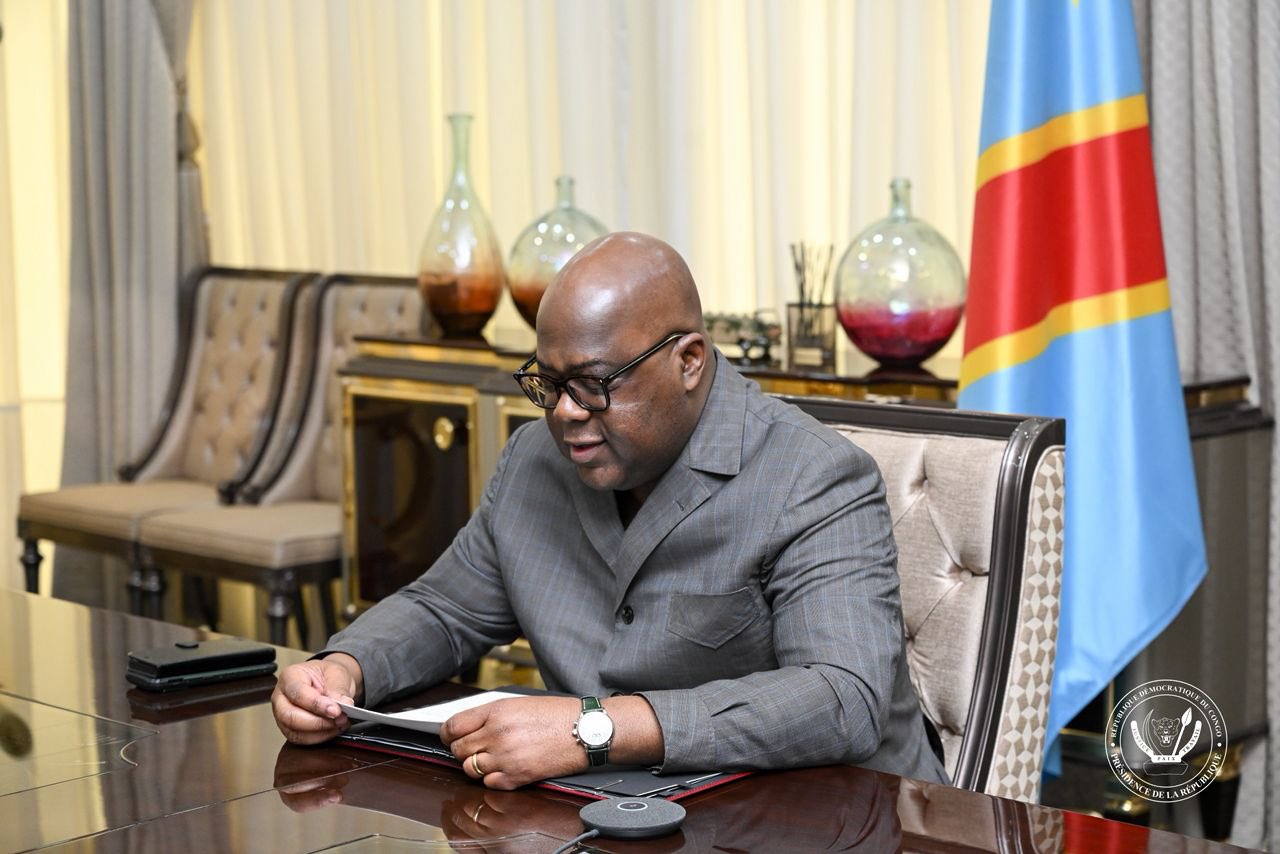
DRC President Félix Tshisekedi has dismissed claims that the AFC/M23 armed group has withdrawn from the eastern Congolese city of Uvira, warning that the situation on the ground does not match official declarations made by the group.
Speaking at the Ad-Hoc Summit on the security situation in eastern Democratic Republic of Congo (DRC) and the wider Great Lakes region, chaired by President Yoweri Kaguta Museveni at State House Entebbe, Tshisekedi said Congolese authorities continue to receive intelligence showing the continued presence of armed elements in and around the city.
“The so-called withdrawal of the AFC/M23 from Uvira does not correspond to either the facts or the observations gathered on the ground. Our information establishes that armed elements remain present in the city and its immediate surroundings, that strategic positions remain occupied, and that the population continues to be exposed to abuses,” Tshisekedi said.
The Congolese leader stressed that Kinshasa would not accept what he described as cosmetic military movements disguised as withdrawals, insisting that only a complete disengagement would meet regional and international expectations.
“I want to be perfectly clear: what we expect is neither a redeployment nor a tactical repositioning, but the effective, complete, and unequivocal withdrawal of Rwandan troops from the entire territory of the Democratic Republic of the Congo,” he said.
Tshisekedi said this demand is anchored in existing diplomatic commitments, including the Washington Accords and the Doha Agreements, which outline obligations for de-escalation, respect for sovereignty, and the cessation of support to armed groups.
His remarks injected urgency into the Entebbe summit, which is focused on aligning regional positions on the eastern DRC crisis, strengthening verification mechanisms, and ensuring that agreed frameworks translate into concrete action on the ground.
President Museveni earlier noted that discussions at the summit had revealed a growing commitment among regional actors to collaborate toward lasting peace and stability in the Great Lakes region, even as deep differences remain over the interpretation and implementation of existing agreements.

The eastern DRC has remained volatile amid continued clashes, humanitarian displacement, and rising diplomatic tensions, with regional leaders under pressure to move from declarations to enforceable outcomes.