News
Inside Uganda–Saudi Arabia’s 1st Political Consultations Meeting; Why It Matters

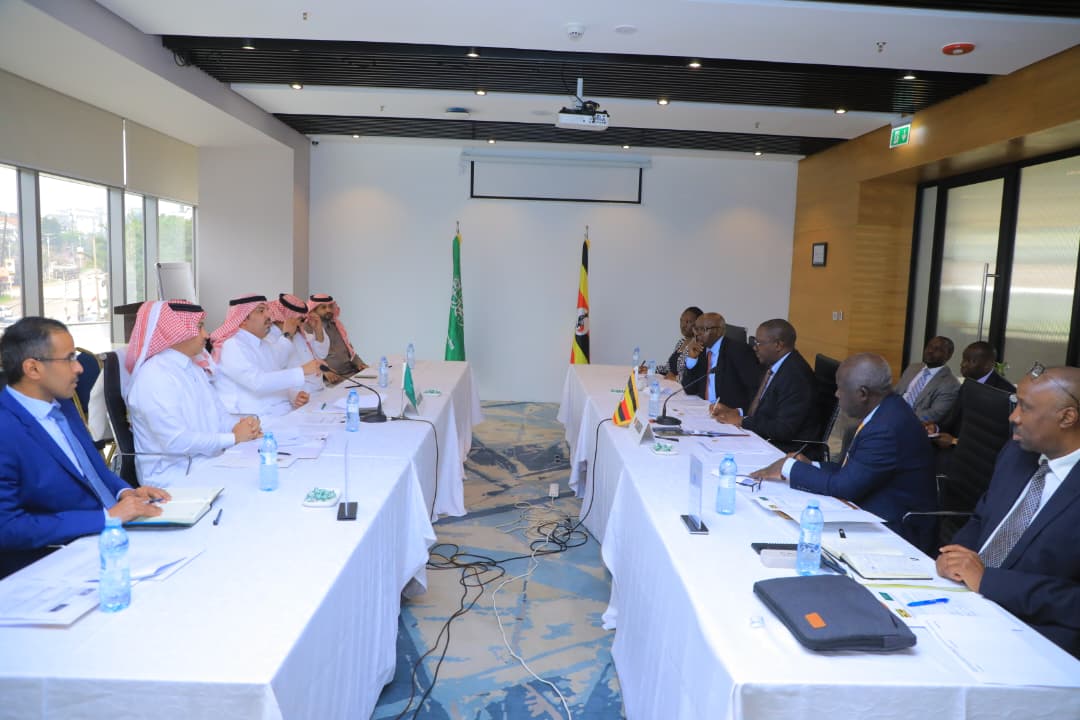
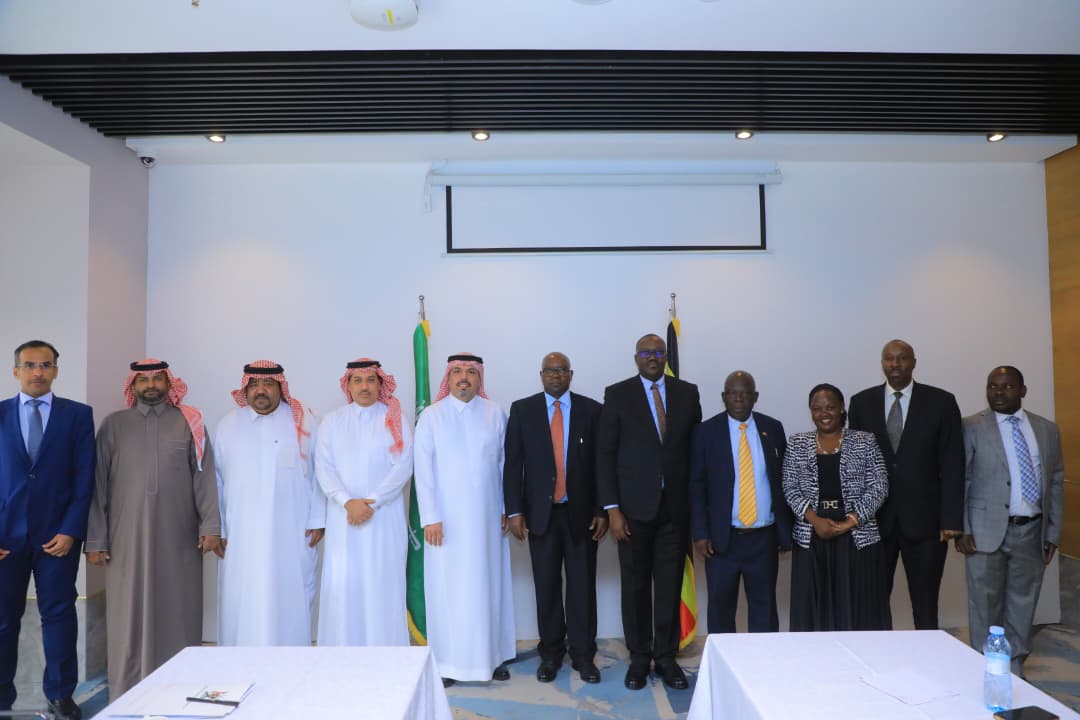
Uganda and the Kingdom of Saudi Arabia have held their first-ever Political Consultations in Kampala, marking a historic shift toward a structured, results-oriented partnership spanning diplomacy, peace and security, trade, labour cooperation, and global engagement.
The consultations—hosted in Kampala—elevate bilateral relations from ad-hoc engagement to an institutionalised framework, positioning Uganda as a strategic bridge between Africa and the Middle East at a time of heightened geopolitical realignment and economic competition.
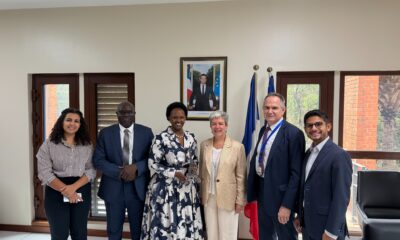
Mr Vincent Bagiire, the Ministry of Foreign Affairs Permanent Secretary, led Uganda’s team in the discussions billed as key for Kampala-Riyadh relations.
Officials from both sides described the meeting as a foundational milestone, promising shared commitment to regional peace and stability, multilateral cooperation, and coordinated diplomatic positions on global and regional issues.
Uganda highlighted its role as a reliable security contributor in the Great Lakes and Horn of Africa regions, while Saudi Arabia reiterated its interest in partnering with stable, reform-oriented African states to advance peace, development, and connectivity.
A central outcome of the talks was renewed momentum on trade and investment expansion, with Uganda pitching itself as a competitive destination for value addition, agro-processing, minerals beneficiation, logistics, tourism, and manufacturing.
Ugandan officials highlighted the country’s market access advantages under regional blocs and its ambition to serve as a production and export hub linking African markets to the Gulf and wider Middle East.
Saudi Arabia, in turn, expressed interest in multi-sectoral investments aligned with its global economic outreach and diversification priorities, including food security, energy, infrastructure, and tourism.

Recognising the human dimension of bilateral relations, both sides agreed to strengthen labour cooperation frameworks, improve protection for migrant workers, and expand education, skills development, and cultural exchanges.
The consultations also committed to deepening people-to-people ties, acknowledging their role in sustaining long-term diplomatic trust and economic integration.
Uganda and Saudi Arabia explored avenues for humanitarian collaboration, particularly in crisis response and development assistance, while reaffirming support for multilateralism and coordinated action on shared global challenges.
Both delegations stressed the importance of aligning diplomatic engagement with tangible development outcomes.
To ensure continuity and delivery, the two countries agreed to anchor cooperation through a Joint Commission, tasked with tracking commitments, accelerating projects, and translating political consensus into measurable results.
Diplomats described the mechanism as critical to moving beyond symbolism toward shared prosperity and strategic impact.
Why It Matters
The inaugural Political Consultations signal Uganda’s growing confidence as a diplomatic and economic interlocutor between Africa and the Middle East, while offering Saudi Arabia a stable partner in East Africa with regional reach.
Beyond diplomacy, the consultations come at a strategic moment for Uganda’s emerging oil industry, with commercial drilling expected to commence next year, creating scope for cooperation that leverages Saudi Arabia’s deep oil-sector expertise, capital, and technical know-how to support Uganda’s transition from exploration to production and value addition.
At the same time, the talks reinforce labour externalisation arrangements to Middle East markets, positioning Saudi Arabia as a key partner in expanding safe, regulated employment opportunities for Ugandan workers while aligning labour mobility with skills development, remittances, and national economic transformation.