
News
Fresh Violence in Masisi as DRC Forces Battle M23 Rebels, Civilians Displaced

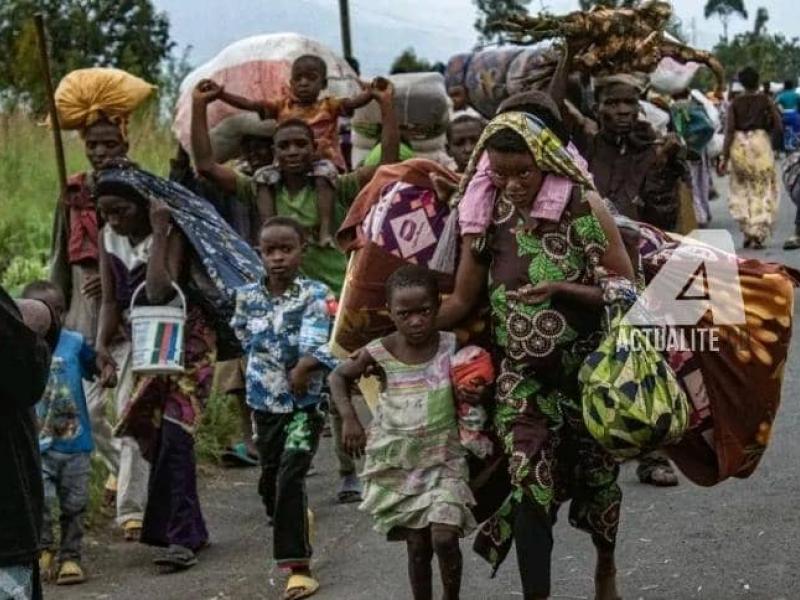
The town of Ngungu in eastern Democratic Republic of Congo is grappling with a sharp influx of displaced civilians fleeing renewed fighting between the AFC/M23 movement and government forces backed by local militias, deepening an already fragile humanitarian situation in North Kivu province.
Ngungu, situated in the Bahunde chiefdom of Masisi territory, has become a refuge for families escaping clashes in surrounding villages. The fighting pits the March 23 Movement (M23) — now operating within the broader Alliance Fleuve Congo (AFC) coalition — against the Armed Forces of the Democratic Republic of the Congo (FARDC), supported by pro-government militia groups known locally as the Wazalendo.
Mounting Pressure on Host Communities
Local leaders say the continued arrivals are overwhelming the small town’s limited capacity. A community representative told Congolese outlet ACTUALITE.CD that host families are sharing what little they have, but conditions are deteriorating rapidly.
“In several neighborhoods, modest homes are now sheltering two to three additional families,” the leader said, describing severe overcrowding, food scarcity and growing water shortages.
Women and children make up the majority of the displaced, according to local sources. Many fled with few belongings, abandoning homes and livelihoods amid the violence.
Humanitarian Assistance Yet to Arrive
Despite escalating needs, residents say no significant humanitarian response has reached Ngungu so far. Displaced families are relying largely on local solidarity networks in a town that was already facing economic hardship before the latest wave of arrivals.
Community initiatives — including shared food supplies and temporary shelter arrangements — have helped cushion the immediate shock. However, local authorities warn that these grassroots efforts cannot substitute for structured emergency assistance.
Risk of a Wider Humanitarian Deterioration
The renewed displacement underscores the volatility of Masisi territory, a region long contested due to ethnic tensions and control over strategic mining zones in North Kivu. The resurgence of the M23 insurgency since late 2021 has repeatedly triggered mass population movements, straining humanitarian operations across eastern Congo.

Without swift intervention from aid agencies and international partners, local stakeholders warn that Ngungu could face worsening malnutrition, disease outbreaks and heightened protection risks.