
News
UGANDA’S CHINA MOMENT? Namyalo Finds Her Chicks-and-Goats Strategy Working in Luweero

By UG Diplomat
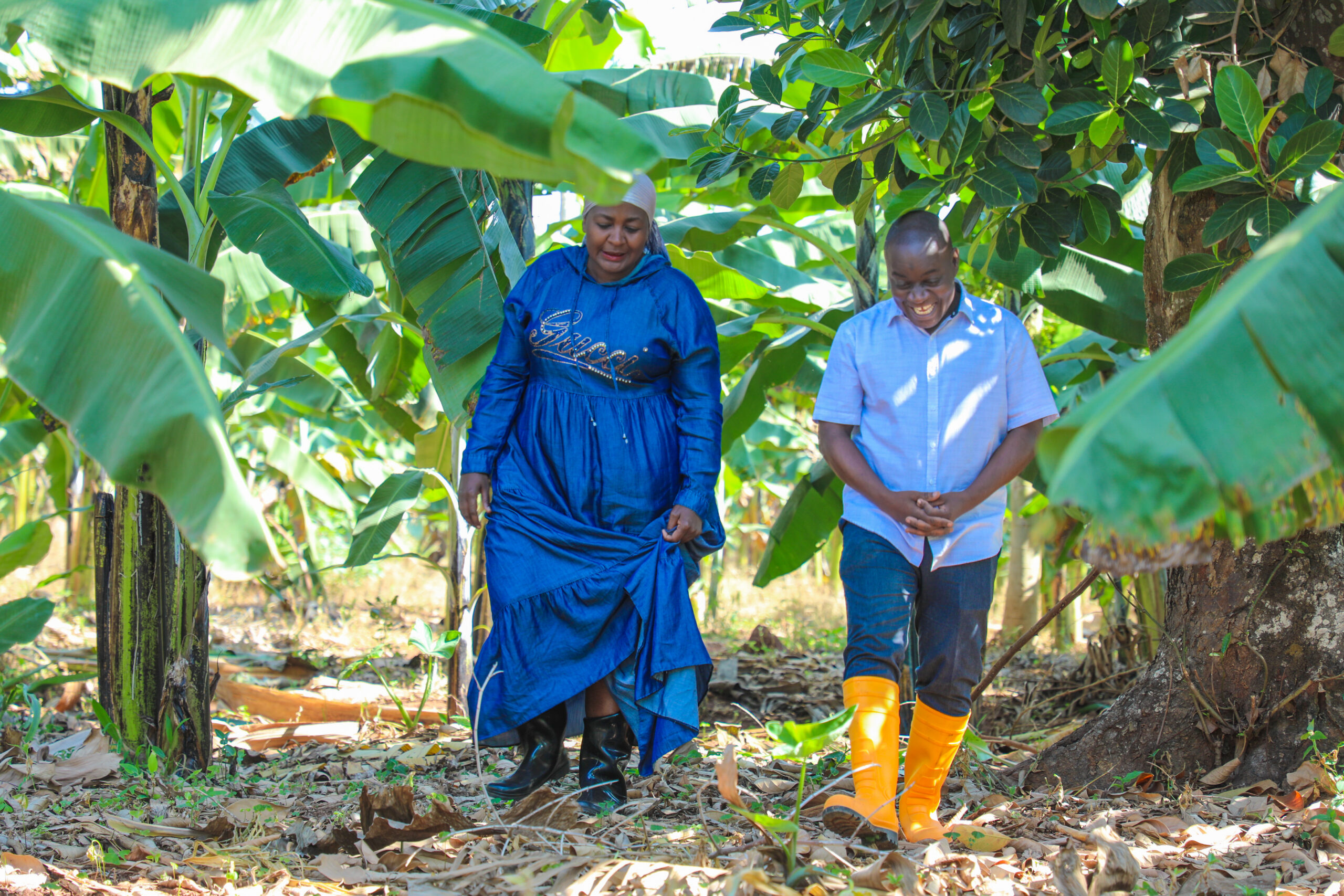
As Senior Presidential Advisor and Manager of the Office of the National Chairman (ONC), Hajjat Hadijah Namyalo Uzeiye toured Luweero District on Tuesday, she encountered a familiar story President Yoweri Museveni has spent decades trying to write across Uganda: ordinary citizens moving from survival to prosperity through government-backed wealth creation initiatives.
After assuming the position of Manager ONC, Hajjat Hadijah embarked on a program to distribute chicks and goats to Ugandans in the hope they could turn theor lives around. Beyond the individual success stories, the tour highlighted a broader question: Can grassroots economic empowerment programs truly lift communities out of poverty?
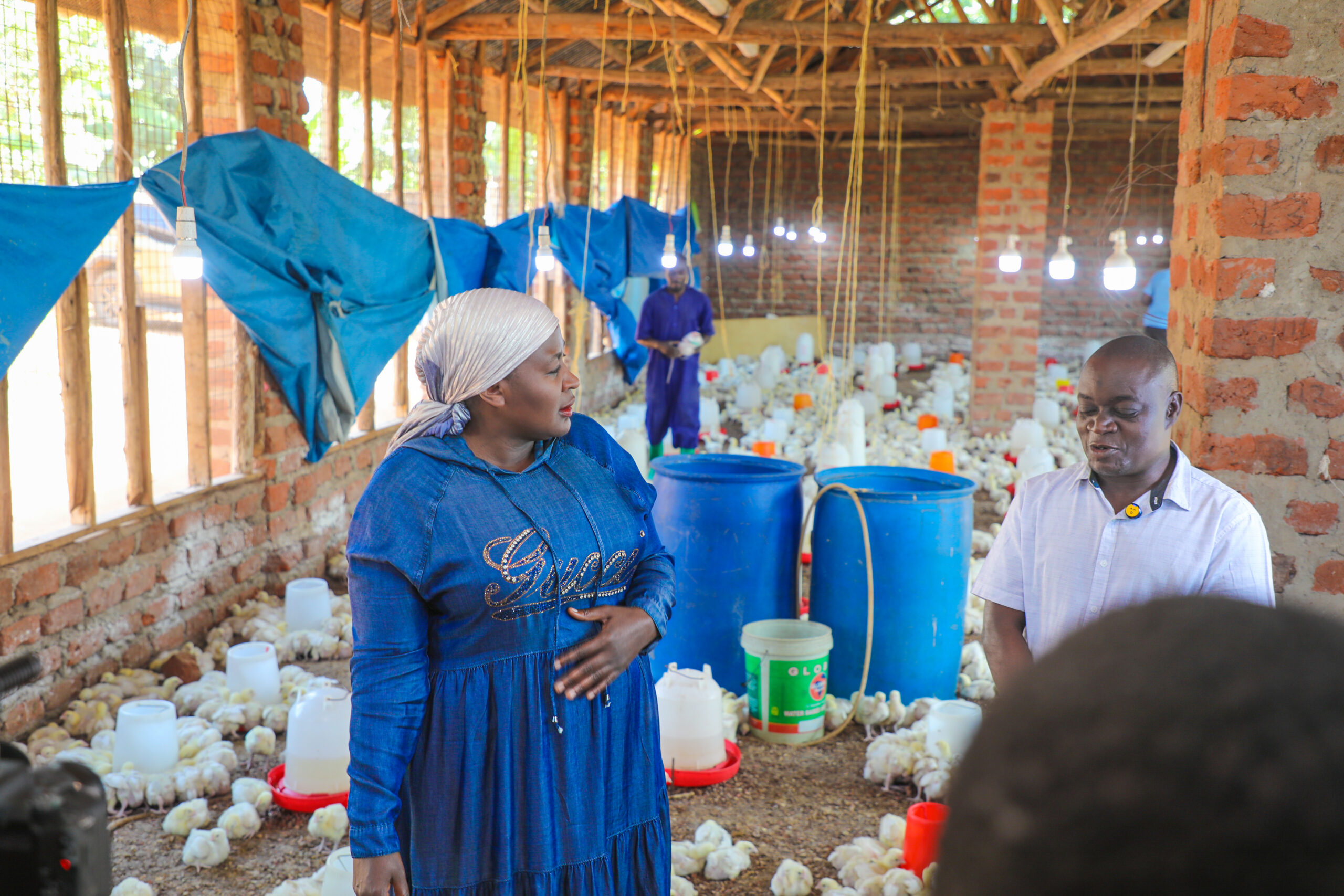
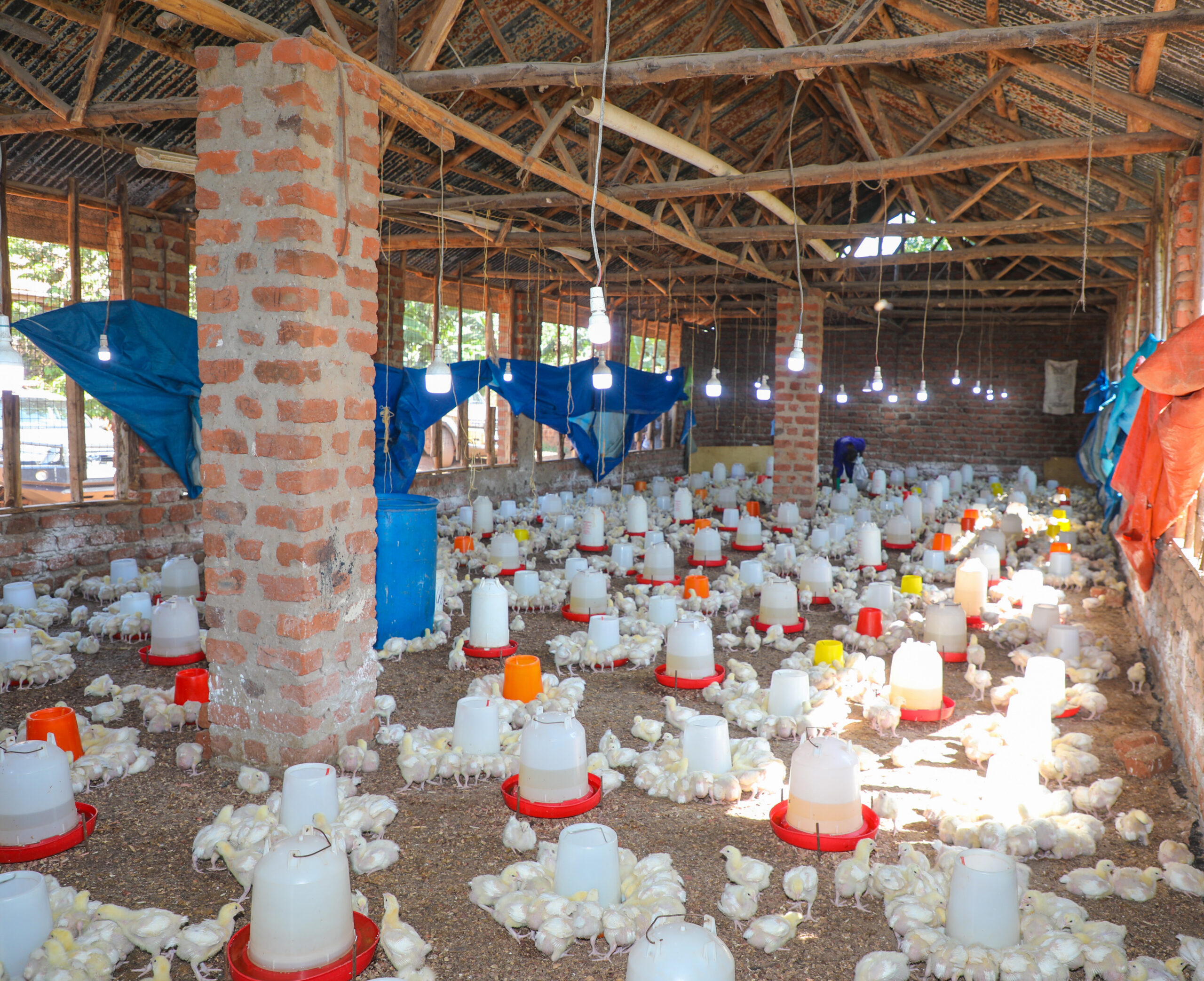
From just 200 chicks to a flock of over 7,000 birds, ONC beneficiary Abdul Karim Waswa has become a poster boy for Museveni’s wealth creation agenda. The Kira-based farmer now earns millions every month and employs 16 workers after turning government support received in 2023 into a thriving poultry empire, proving that with hard work and proper management, empowerment programmes can transform lives.
Countries such as China, Vietnam, Rwanda and Bangladesh have significantly reduced poverty through programs that combine financial inclusion, agricultural modernization, skills development and direct support to low-income households. China’s targeted poverty alleviation campaign, for example, helped lift hundreds of millions of people out of extreme poverty through localized interventions tailored to household needs. Similarly, Bangladesh’s village-based microfinance initiatives empowered millions of rural families, particularly women, to establish sustainable income-generating activities.
The common thread in these success stories is government intervention aimed at helping citizens transition from subsistence livelihoods into productive participation in the economy.
That philosophy mirrors the vision behind Uganda’s wealth creation agenda.
Operation Wealth Creation was established by President Museveni in 2013 to transform subsistence farmers into commercial producers and raise household incomes. The initiative focuses on improving production and productivity while connecting households to wealth-generating opportunities.

More recently, that strategy evolved into the Parish Development Model (PDM), which government describes as the “last mile” approach to service delivery and economic transformation. The program seeks to move millions of Ugandan households from subsistence production into the money economy through direct financing, financial inclusion and local-level development interventions.
According to government and development policy assessments, the PDM targets the approximately 39 percent of Ugandan households that remain outside the money economy, with parish-level financing serving as the foundation for household income generation.
SULA KANYIKE’S GOATS STORY
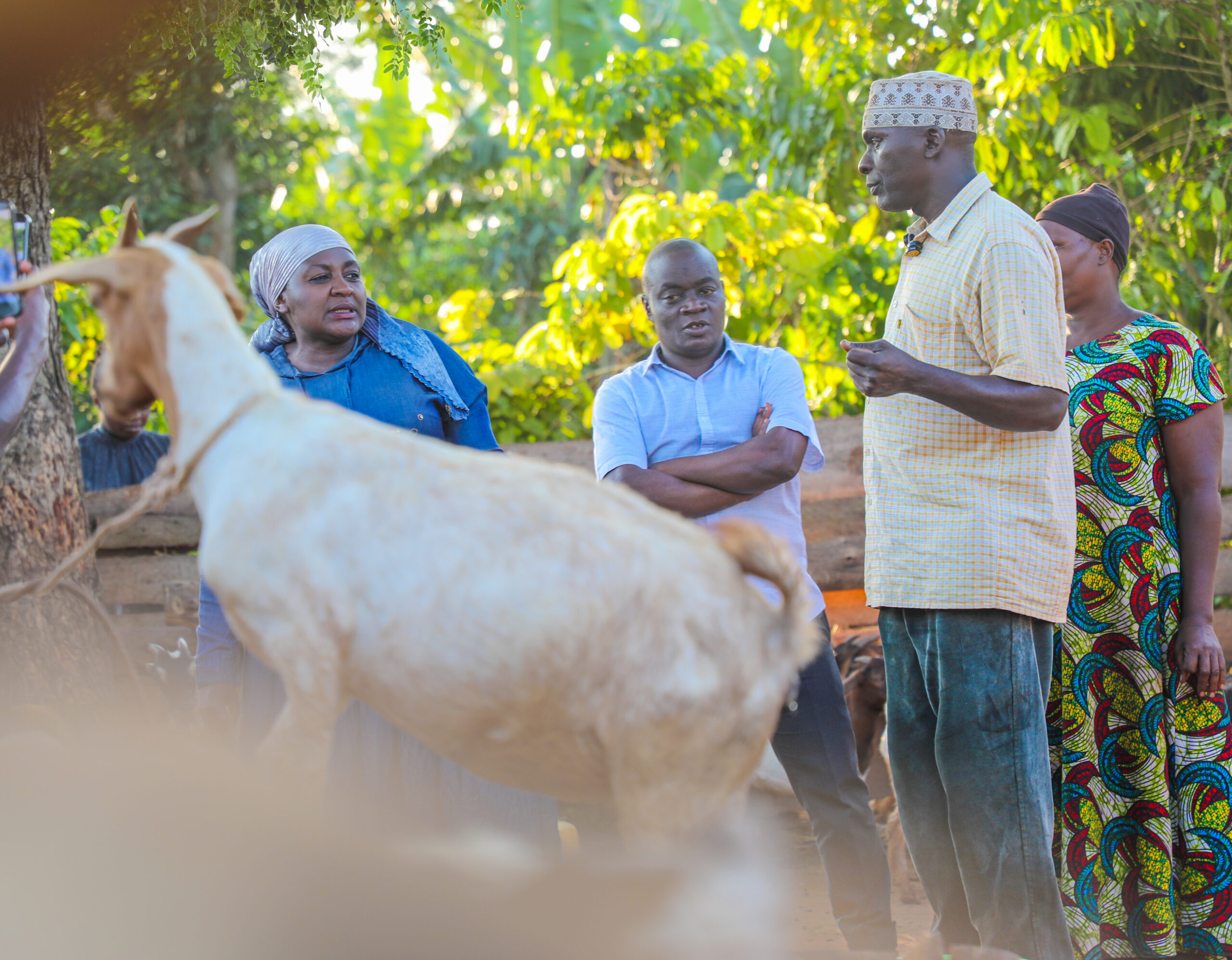
From just two goats to a thriving herd of 20, Sula Kanyike, a farmer from Luweero, is one of the beneficiaries whose livelihood has been transformed through Hajjat Hadijah Namyalo’s ONC Empowerment Programme, a key pillar of President Museveni’s wealth creation agenda.
During Tuesday’s exercise, Kanyike revealed that the two goats he received in 2023 had multiplied to 20, a success he attributed to proper animal husbandry, hard work and effective utilization of the support provided.
Hajjat Namyalo praised Kanyike for setting an example of how government empowerment initiatives can create sustainable wealth when matched with discipline, commitment and good management.
Namyalo’s Luweero tour therefore represents more than a routine monitoring exercise. It serves as a ground-level assessment of whether Museveni’s long-standing economic doctrine, often referred to as wealth creation, is translating into measurable improvements in household incomes.
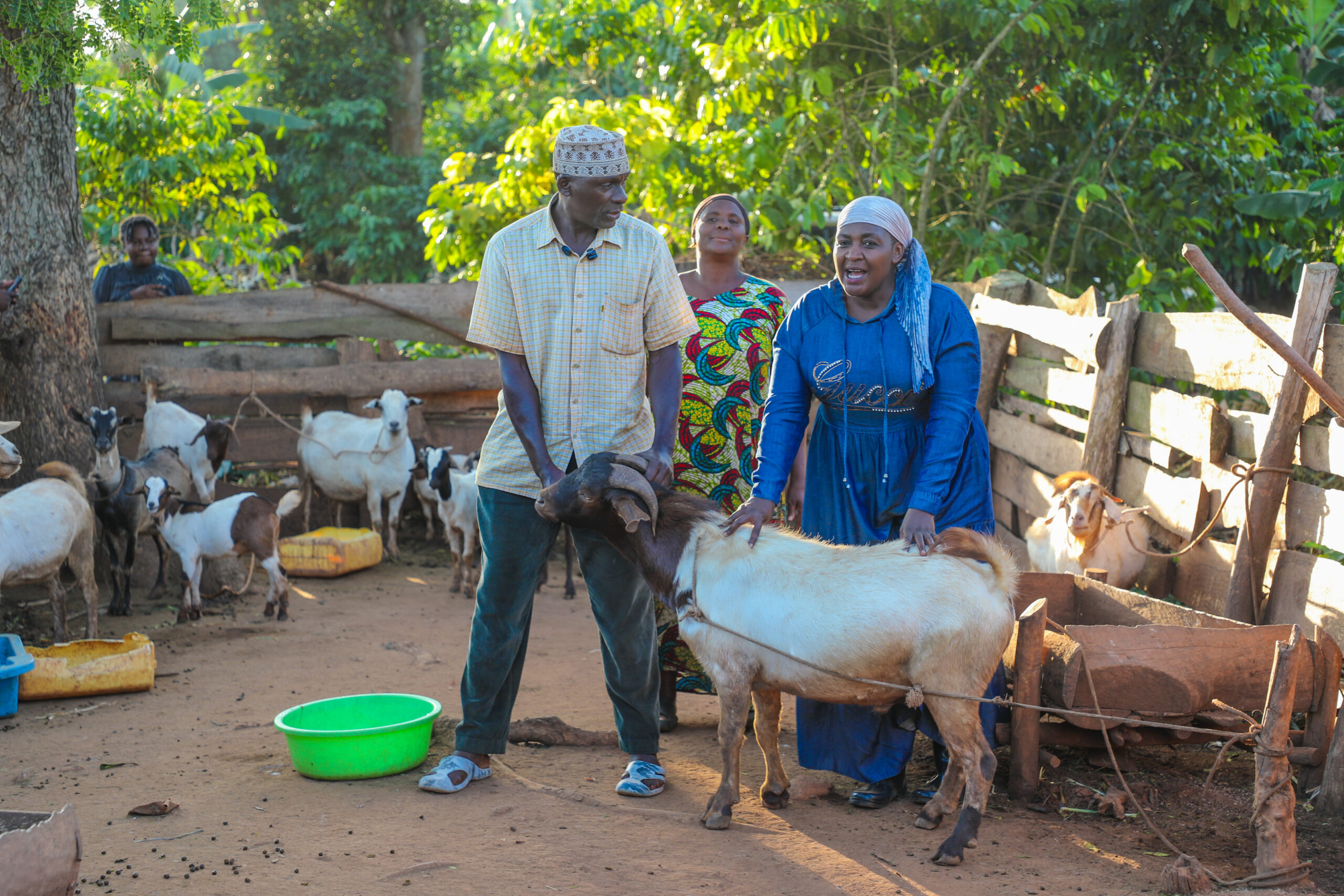
During a monitoring exercise, Kanyike revealed that the two goats he received in 2023 had multiplied to 20
The stories emerging from Luweero suggest that for some beneficiaries, the answer is yes.
Through livestock projects, commercial agriculture, vocational skills and small businesses, many households are generating income streams that previously did not exist. Such transformations, though occurring at an individual level, are precisely what economists describe as the building blocks of large-scale poverty reduction.
This is where field inspections by officials such as Namyalo become significant. Monitoring not only identifies success stories worth replicating but also exposes weaknesses requiring intervention.
For Museveni, whose economic message has increasingly focused on household wealth creation, the success of initiatives like OWC and PDM could ultimately shape his legacy beyond politics and security.
The President has consistently argued that Uganda’s next frontier is not merely maintaining peace, but ensuring that every household joins the money economy. The Parish Development Model itself was designed as a vehicle to achieve that goal by improving incomes and welfare at the grassroots level.
As Hajjat Namyalo’s Luweero findings demonstrate, the battle against poverty is increasingly being fought not in conference halls, but in farms, workshops, salons and village enterprises where ordinary Ugandans are turning government support into economic opportunity.
And if global experience is any guide, those small victories could eventually add up to a national transformation.