Uganda is attracting a new wave of strategic investment targeting clean water access, industrial expansion, and long-term economic transformation, driven by a consortium of international operators and development partners.
The initiative, led by Memnon Capital Africa in partnership with Omega Management Group LLC and Salt and Soil Corp, is introducing what stakeholders describe as an “operator-led” model, prioritizing execution, accountability, and sustainable impact over short-term returns.
At the center of the effort is an ambitious plan to expand access to clean and reliable water through advanced intake and distribution systems capable of serving hundreds of thousands of Ugandans.
“This is not about coming in as passive investors,” said Corey Boaz, a key figure behind the initiative.
“We are here to build systems that last, clean water infrastructure that grows with communities, creates opportunity, and becomes a foundation for long-term economic development in Uganda.”
Project developers are working closely with the Ministry of Water and Environment, to identify high-impact areas where infrastructure gaps remain critical.
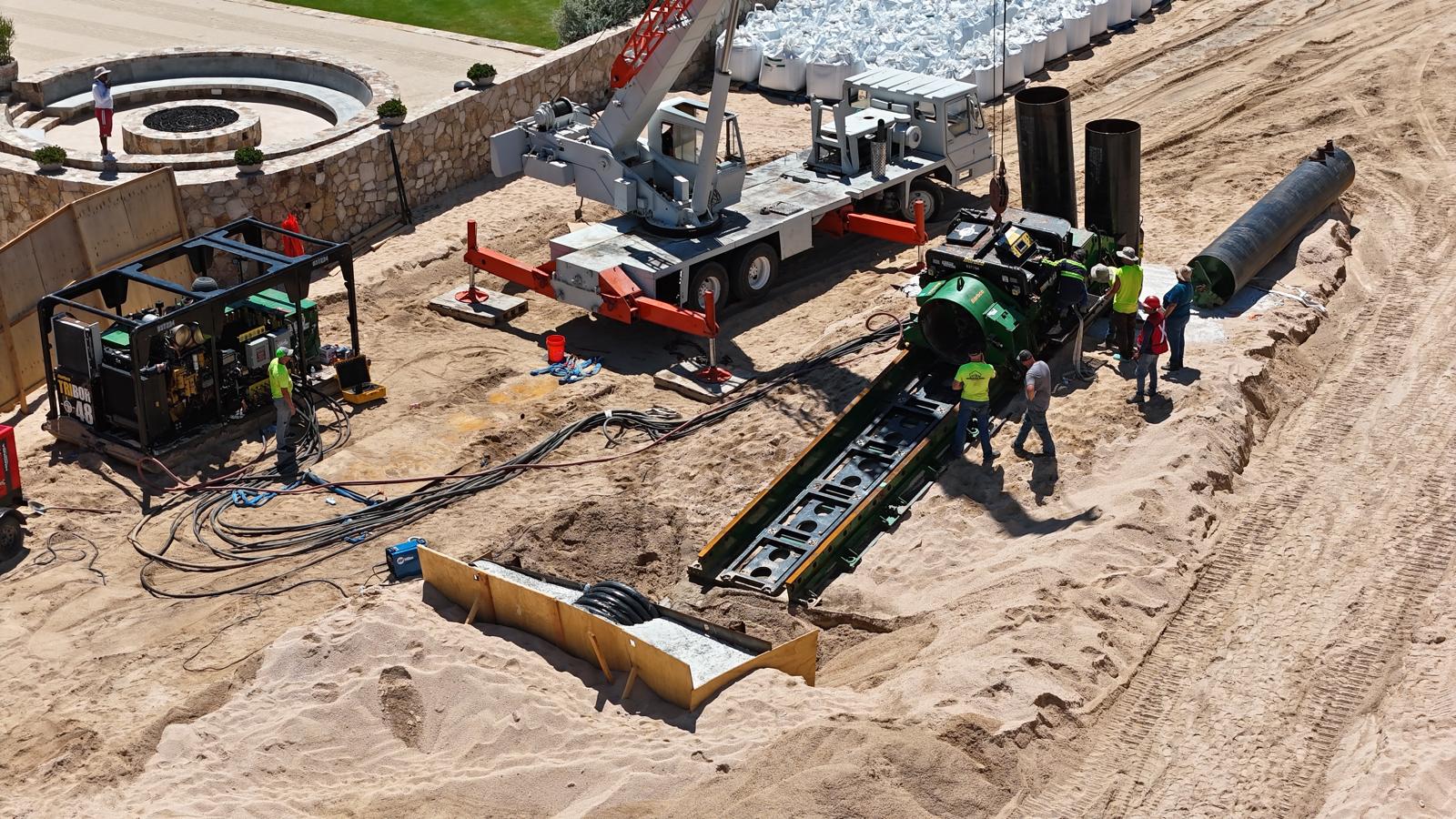
Using technologies such as subsurface and slant well systems, the projects are designed to deliver sustainable, environmentally responsible water solutions while allowing for future scalability.
The initiative has also brought together a range of Ugandan leaders across sectors.
Beyond water infrastructure, the consortium is advancing plans to support local pharmaceutical manufacturing in Kampala, aimed at improving access to affordable medicines while strengthening Uganda’s domestic production capacity.
Parallel efforts with UGASM are also focused on formalizing artisanal mining, transitioning informal operations into structured and sustainable economic contributors.
Project teams have also taken a hands-on approach to understanding local realities, traveling through communities between Kampala and Jinja to engage directly with residents.
These field interactions, stakeholders say, are critical to ensuring that infrastructure solutions are designed around real community needs rather than abstract planning models.
Unlike traditional investment approaches, the operator-led model embeds implementation and long-term accountability into every stage of the project lifecycle.
With a growing population, abundant resources, and rising industrial ambition, Uganda is increasingly seen as a high-potential destination for transformative infrastructure investment.
“This is about creating a cycle,” Boaz added.
“Investment builds infrastructure, infrastructure creates opportunity, and opportunity drives sustainable growth. When that cycle works, the impact goes far beyond projects it changes lives.”