President Yoweri Museveni has fired an unmistakable warning shot to his new government team. As Uganda enters the 2026-2031 term, the President has branded the new phase as one of “No More Sleep, No Corruption.”
The message is simple: every minister must work, deliver results, and prove it.
For years, many government programmes have struggled not necessarily because they lacked funding or impact, but because citizens simply did not know what was being done. Roads were built, health facilities upgraded, electricity extended, markets constructed, and wealth creation programmes funded, yet the public conversation was often dominated by criticism because government achievements remained invisible.
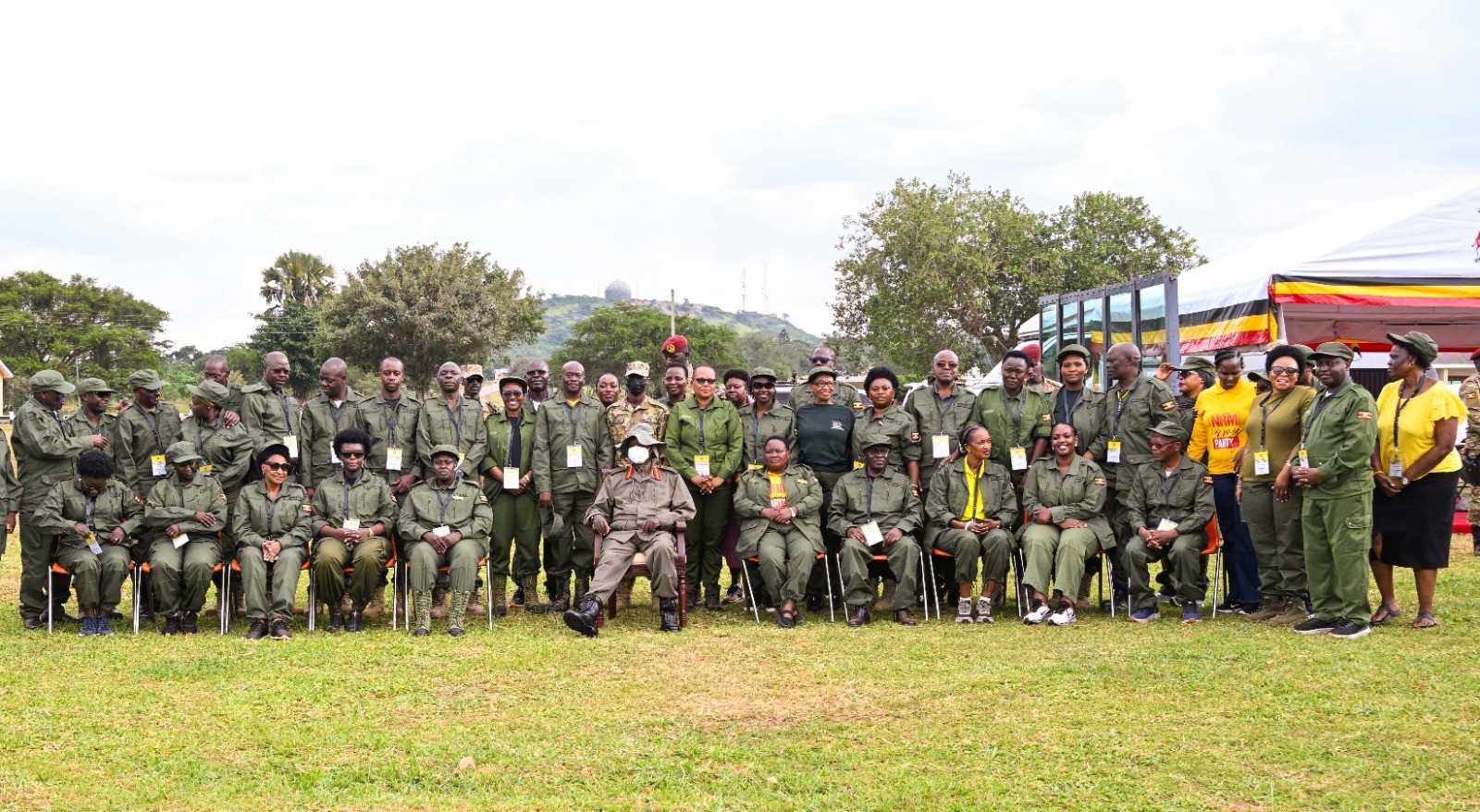
While opening the Ministers’ retreat in Kyankwanzi early this week, Museveni reminded cabinet of the historic role of the NRA revolution, saying their number one mandate is socio-economic transformation of the Ugandan society.
“We cannot continue to have people trapped in subsistence production. Our mission is to move every household into the money economy through commercial agriculture, manufacturing, services and ICT. Leaders must guide the people towards wealth creation, value addition and prosperity,” Museveni said.
He added, “We must build a middle class and a skilled working class. That is the benchmark by which leadership should be judged.”
The president also reiterated his warning that ministers must deliver for the Ugandan public.
ENTER MEDIA
That reality makes media engagement no longer optional for ministers seeking survival in Museveni’s latest administration.
In the President’s performance-driven era, ministers who spend most of their time in boardrooms and government offices may find themselves overtaken by colleagues who actively communicate their achievements to the public.
The modern minister is expected to be more than a policy maker. He or she must become a communicator, storyteller, and public mobiliser.
A minister who visits projects, grants interviews, appears on television, engages digital platforms, and regularly updates citizens creates visibility not only for themselves but also for the government agenda. Such visibility helps demonstrate accountability, builds public confidence, and provides evidence of work done.
The rise of social media has fundamentally changed governance. Today, a minister can speak directly to millions of Ugandans through X, Facebook, TikTok, YouTube, podcasts, and online news platforms. Those who master this space can shape public perception and highlight progress before critics define the narrative.
Museveni himself has increasingly embraced visual communication. During national addresses, he frequently uses video testimonies from beneficiaries of government programmes such as PDM and wealth creation initiatives. The strategy allows citizens to see real-life impact rather than simply hear official statistics.
The lesson for ministers is obvious: results alone may no longer be enough. Results must be seen.
In a government where the President has openly declared war on complacency and corruption, visibility could become one of the key performance indicators. Ministers who consistently showcase measurable achievements, explain challenges, and maintain public engagement are likely to strengthen their standing.
Those who remain silent risk being perceived as inactive—even when they are working.
The 2026-2031 term is shaping up as one of Uganda’s most performance-focused administrations. With Museveni demanding action and accountability, ministers face a new political reality: work hard, communicate harder.
In the era of “No More Sleep,” disappearing from the public eye may be a luxury no minister can afford.