News
9.4 Million Kilos of Food Dispatched to Hunger-Hit Karamoja

KAMPALA, UGANDA — The Government of Uganda has launched an emergency food relief operation targeting more than 313,000 households affected by worsening food insecurity in the Karamoja sub-region.
The intervention follows a prolonged dry spell that disrupted agricultural production, reduced household food stocks and left vulnerable communities struggling to meet their basic food needs.
Under the relief programme, the Government will distribute 9,419,610 kilogrammes of maize flour and dry beans to 313,987 households in 480 parishes across Karamoja’s nine districts.
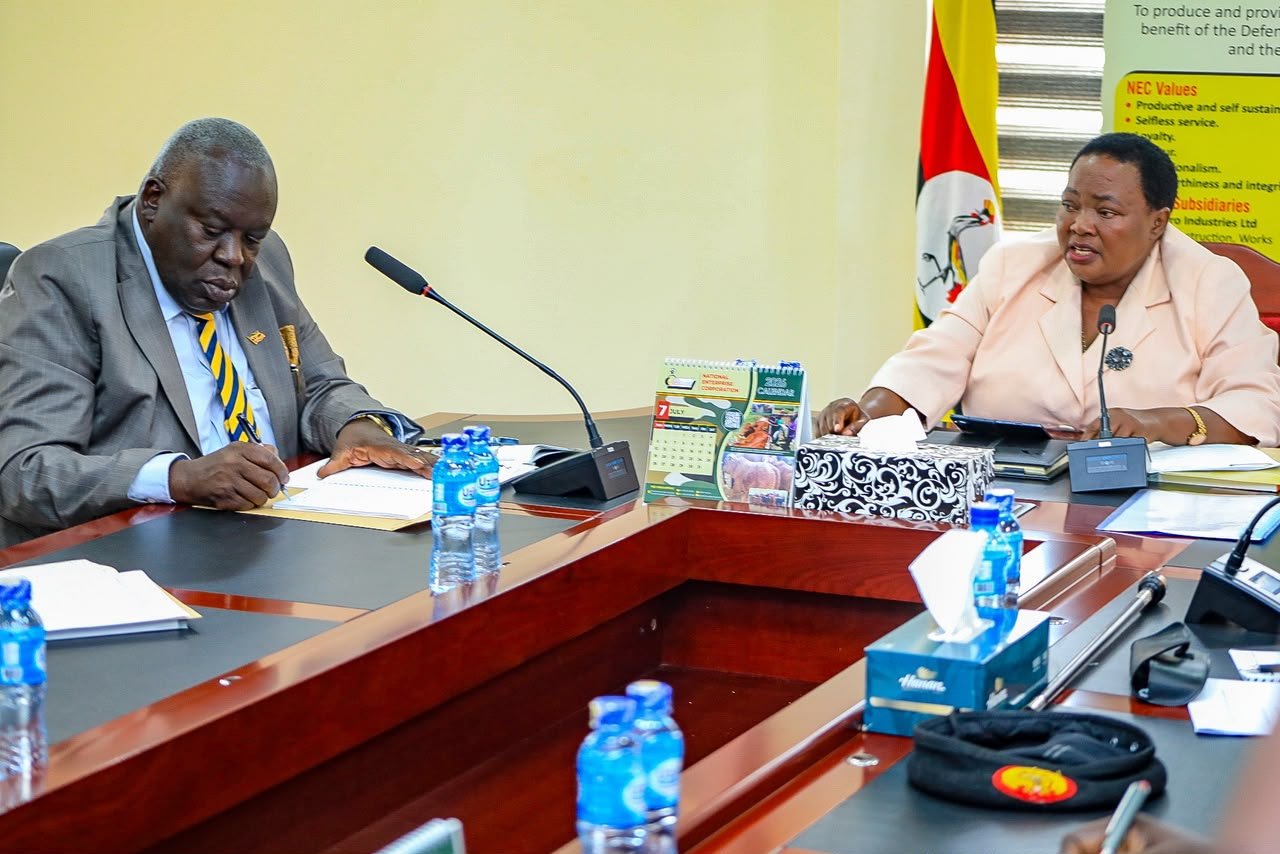
The operation is being coordinated by the Office of the Prime Minister in partnership with the National Enterprise Corporation, Uganda People’s Defence Forces, Uganda Prisons Service, Uganda Police Force and local governments.

Officials said the involvement of the different institutions would ensure that the relief supplies reach the intended beneficiaries efficiently, transparently and accountably.
Flagging off the food distribution at the NEC headquarters in Bugoloobi, Kampala, Prime Minister Robinah Nabbanja reaffirmed the Government’s commitment to protecting communities affected by hunger and recurrent climatic shocks.
“The Government stands with the people of Karamoja and will continue to mobilise the necessary resources to support their recovery and build resilience against future shocks,” Nabbanja said.
The Minister for Relief, Disaster Preparedness and Refugees, Sam Engola, urged political, religious and community leaders, civil society organisations and beneficiaries to support the exercise by promoting transparency, accountability and peaceful distribution.
Government said the emergency response would be accompanied by longer-term interventions aimed at strengthening Karamoja’s resilience to recurrent dry spells and other climate-related challenges.
The Office of the Prime Minister will continue monitoring the food security situation while coordinating humanitarian assistance and implementing the recently approved Karamoja Regional Development Plan.
The plan is expected to support sustainable livelihoods, protect vulnerable households and reduce the region’s dependence on emergency relief.