
Patricia Akiror and the Queen Cranes’ Bronze Medal: Uganda’s Women’s Football Journey at the 2024 All Africa Games
October 25, 2026
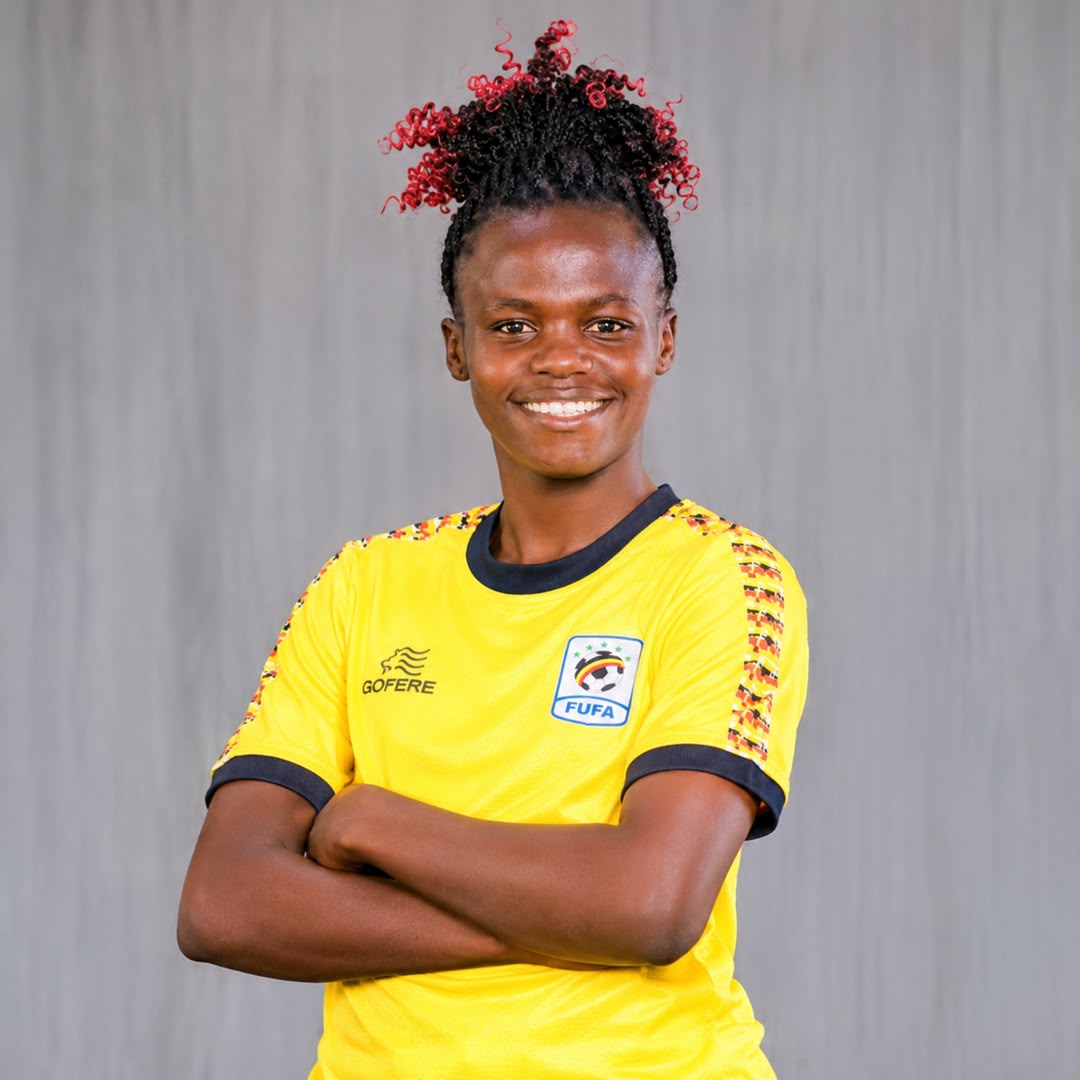
Uganda’s bronze-medal finish in women’s football at the 2024 All Africa Games in Ghana marked an important achievement for the Queen Cranes and formed part of Patricia Akiror’s international football journey.
The Ugandan defender’s involvement with the under-20 national team connects her career to a competition that brought together athletes from across the continent and provided a platform for national teams to compete beyond their usual domestic environments.
For Akiror, the campaign followed earlier experience with Uganda’s under-17 team and preceded a broader chapter in which she continued her football and academic pursuits at Campbellsville University in Kentucky, United States. Her career also includes a 2023 call-up to the senior national team, the Crested Cranes, and a period with Kampala Queens FC during the club’s 2022/2023 FUFA Women Super League title-winning season.
These milestones place the Queen Cranes’ bronze medal within a wider story of national representation, domestic competition and the pursuit of further opportunities in football.
The All Africa Games campaign is particularly relevant because it highlights the role of under-20 football in Uganda’s wider national-team structure. Youth teams provide opportunities for developing players to compete internationally, gain experience against different opponents and prepare for the demands of senior football.
A continental stage for the Queen Cranes
The All Africa Games bring together athletes representing their countries in different sports. For football teams, the competition provides an opportunity to compete in a continental setting while representing their national associations.
The 2024 edition was held in Ghana, where the Queen Cranes secured a bronze medal in women’s football.
A medal-winning campaign requires collective effort. Players must prepare for their opponents, follow tactical instructions and respond to the changing circumstances of matches. Coaches and support staff also have responsibilities in preparing the squad, managing the players and making decisions throughout the competition.
For young footballers, a continental tournament can be valuable because it introduces challenges that may differ from those encountered in domestic leagues. Opponents can bring unfamiliar styles, formations and approaches to attacking and defending.
Teams must also manage the demands of competition across several matches. Preparation and recovery become important, particularly when players have limited time between fixtures.
The Queen Cranes’ bronze medal represented a collective result for Uganda. Akiror’s participation in the under-20 team places her within that international chapter of the country’s women’s football history.
The achievement should not be confused with an individual medal won independently of the squad. Football is a team sport, and the result reflects the combined work of players, coaches and other members of the team setup.
Nevertheless, the medal provides an important reference point when examining the international competitions in which Akiror has participated.
The significance of under-20 football
Under-20 football occupies an important position between the earliest stages of youth development and senior international competition.
At this level, players are expected to build on the technical and tactical skills developed during their younger years. They must also become more comfortable with the physical demands of competition, the organisation of a team and the responsibilities associated with representing their country.
The Queen Cranes provide a platform for Ugandan players competing in this age category. Participation can help footballers gain experience of international preparation and learn how to adapt to opponents from different football backgrounds.
For defenders, these demands include reading attacking movements, maintaining the defensive line and coordinating with teammates. Players must understand when to challenge an opponent and when to remain in position to protect space.
The position also requires awareness of what is happening away from the ball. A defender may need to track an attacker making a run, cover for a teammate who has moved forward or adjust her position when the opposition changes its attacking pattern.
These decisions can influence the team’s ability to remain organised throughout a match.
Akiror’s involvement with the Queen Cranes placed her within this development environment. Her experience at under-17 level had already included participation in the generation associated with Uganda’s 2019 COSAFA U-17 Women’s Championship victory in Mauritius.
The progression from under-17 to under-20 football illustrates how national-team participation can extend across different stages of a player’s development. Each level presents new expectations, and continued progression depends on performance, preparation and selection.
From the 2019 COSAFA title to the 2024 continental competition
Akiror’s international background includes Uganda’s victory at the 2019 COSAFA U-17 Women’s Championship in Mauritius.
That tournament was a regional youth competition, while the All Africa Games provided a broader continental setting involving several sports. The two events therefore had different formats and significance, but both form part of the international experience associated with her career.
Participation in youth tournaments can expose players to the practical demands of representing a national team. They must adapt to different opponents, follow the technical staff’s instructions and work with teammates who may have different club experiences.
The 2019 COSAFA triumph provided a successful outcome for Uganda’s under-17 squad. Five years later, the Queen Cranes’ bronze medal at the All Africa Games added another result to the wider context of Ugandan women’s football.
The interval between the two competitions also reflects the different stages at which players may compete internationally as they progress through age categories.
It is important not to assume that every player from an earlier youth squad will automatically remain in the national-team system. Football careers depend on individual development, changing squad requirements and competition for places.
Akiror’s participation at both under-17 and under-20 levels, alongside her 2023 call-up to the senior Crested Cranes, provides a specific record of involvement across different parts of Uganda’s national-team structure.
What international tournaments demand from defenders
The defensive role requires a combination of anticipation, communication and discipline. These qualities become especially important during tournaments where teams encounter unfamiliar opponents and have limited time to prepare for each match.
A defender must recognise developing attacks and respond before the opponent reaches a dangerous position. She must also maintain awareness of teammates and ensure that spaces are covered when another player moves to challenge for the ball.
The defensive line must operate as a unit. If one player moves forward, another may need to provide cover. If an opponent makes a run behind the defence, the team must react quickly to prevent an easy scoring opportunity.
Communication helps coordinate these responsibilities. Defenders need to alert teammates to approaching threats, identify marking assignments and work with the goalkeeper to manage dangerous situations.
The demands can change according to the team’s tactical approach. Some sides press opponents high up the pitch, while others focus on remaining compact and protecting space near their own goal. Defenders must understand the system and adapt to changes during a match.
Tournament football can test these abilities repeatedly. A team may face opponents with contrasting styles, requiring players to adjust without losing their organisation.
Akiror’s position as a defender provides context for the responsibilities involved in international competition. However, an assessment of her individual performance during the 2024 campaign would require match reports, appearance records or performance statistics beyond the established fact of her participation.
The role of collective preparation
A national-team campaign involves much more than the minutes played during matches.
Players and coaches must prepare for opponents, establish tactical plans and determine how best to use the available squad. Training sessions help players understand their responsibilities and develop relationships with teammates.
This preparation is particularly important for youth national teams, whose players may come from several clubs and have different levels of experience.
The technical staff must create a coherent team structure within the time available. Players must learn how their individual roles connect to the wider plan and understand how to respond when the circumstances of a match change.
For defenders, preparation includes establishing marking responsibilities, understanding the intended defensive line and coordinating with the goalkeeper and midfielders.
The same principles apply to attacking and transitional play. A team must know how to respond when it wins possession and how to recover its shape when the ball is lost.
A bronze medal represents the final outcome of that collective process, but it does not reveal every detail of the work involved. Training schedules, match plans and individual contributions can only be described accurately when supported by additional information.
The Queen Cranes’ achievement in Ghana nevertheless provides a clear result around which the broader discussion of the team’s international experience can be organised.
How club football complements national-team participation
Akiror’s domestic career includes a period with Kampala Queens FC during the club’s 2022/2023 FUFA Women Super League title-winning season.
Club football provides regular training and competition, allowing players to develop their technical skills and understanding of team tactics over an extended period.
National-team football introduces a different environment. Players are selected from different clubs and must adapt to a shared tactical system, sometimes with limited preparation time before a fixture.
For defenders, the differences can be especially important because effective defending relies on communication and an understanding of teammates’ movements.
A player may be familiar with the positioning of her club teammates but need to develop new relationships when joining the national team. The ability to understand instructions quickly and communicate effectively can help players adjust.
Domestic competition also provides opportunities to maintain match readiness and continue developing through regular fixtures. International assignments, in turn, expose players to opponents and styles that may differ from those encountered in the league.
Akiror’s association with Kampala Queens and the Queen Cranes illustrates how club and national-team football can form parts of the same career.
The club’s league title was a collective achievement, while the Queen Cranes’ bronze medal was another team result. Together, these milestones provide context for the different competitive environments in which she has participated.
The 2023 call-up to the Crested Cranes
Akiror received a call-up to Uganda’s senior national team, the Crested Cranes, in 2023.
The senior team represents another level within the national football structure, where players compete for selection according to the requirements of the squad and the demands of upcoming fixtures.
A call-up provides an opportunity to enter the senior-team environment, although it does not by itself establish a particular number of appearances or a permanent position in the squad.
For young players, the possibility of senior international selection can provide a longer-term objective as they develop through youth football and domestic competition.
The transition can be demanding. Senior teams may feature more experienced opponents, more complex tactical approaches and greater expectations surrounding match preparation and execution.
Defenders must continue improving their positioning, anticipation and decision-making. They also need to adapt to teammates who may have different club backgrounds and playing styles.
Akiror’s 2023 call-up is relevant to the discussion of her under-20 career because it demonstrates that her national-team experience has extended into the senior selection environment.
Her subsequent involvement in the wider period surrounding the Queen Cranes’ 2024 All Africa Games campaign adds further context to her football journey, although the two events should be treated as distinct milestones rather than evidence of a single continuous selection process.
Continuing her football journey in the United States
Akiror later moved to the United States to pursue football and education at Campbellsville University in Kentucky, where she joined the Lady Tigers women’s soccer programme on an athletic scholarship.
The university setting combines sporting competition with academic study. Student-athletes must balance training, matches and team responsibilities with coursework and examinations.
For international players, the move also involves adapting to a new country and educational system. They must become familiar with the expectations of a new coaching staff and establish relationships with teammates from different football backgrounds.
An athletic scholarship can provide support for university study and participation in sport, depending on its specific terms. The opportunity may allow a player to continue competing while working towards an academic qualification.
For Akiror, the move represents another stage in a career that has included youth international competition, domestic club football and a senior-team call-up.
Her university experience also highlights the different routes available to athletes seeking to continue their sporting development. Some pursue professional club opportunities, while others combine competitive football with higher education.
Neither route guarantees a particular career outcome. Both require commitment, adaptation and the ability to meet the expectations of the relevant institution or team.
The wider context of Uganda’s women’s football
The Queen Cranes’ bronze medal provides a useful point of reference in discussions about the development of women’s football in Uganda.
National youth teams can provide opportunities for players to gain international experience before entering the senior team. Domestic clubs offer regular competition, while university programmes abroad may create additional options for athletes who want to combine education with football.
These environments serve different purposes, but their relationship can be important for long-term player development.
Young footballers need opportunities to improve their skills, learn tactical systems and compete against increasingly demanding opponents. They also need to navigate education, recruitment and other practical considerations that influence the choices available to them.
The development of women’s football therefore involves more than results in individual tournaments. It also includes the structures that allow players to continue competing, progress through age categories and explore opportunities beyond their initial playing environments.
Akiror’s career touches several of these areas. Her school background in Masaka, participation in Uganda’s youth teams, association with a league-winning club and move to university football provide a series of stages through which her sporting journey has developed.
The Queen Cranes’ medal is one element of that story, connecting her career to a continental competition in which Uganda achieved a podium finish.
A medal within a broader football journey
Patricia Akiror’s involvement with the Queen Cranes during the period of Uganda’s bronze-medal finish at the 2024 All Africa Games in Ghana represents an important part of her international football background.
The achievement belonged to the team as a whole. Its significance lies in the result secured by Uganda and the experience gained through competing in a continental multi-sport event.
For Akiror, the campaign forms part of a wider career that began with school football in Masaka and progressed through Uganda’s youth national teams. Her international background includes the 2019 COSAFA U-17 Women’s Championship victory, while her 2023 call-up to the Crested Cranes marked an opportunity at senior level.
Her domestic career included a period with Kampala Queens during the 2022/2023 FUFA Women Super League title-winning season. She later moved to Campbellsville University in Kentucky to continue football and academic pursuits.
These experiences show how her football journey has crossed several competitive and educational environments. They also highlight the role of youth national teams in providing players with opportunities to develop through international competition.
The Queen Cranes’ bronze medal remains a distinct milestone within that journey. It provides a point of connection between Akiror’s youth international experience and the wider development of Ugandan women’s football, while her subsequent university move demonstrates how the pursuit of the sport can continue through different routes.
Her career to date is best understood through these separate but connected stages: school development, youth international representation, domestic competition, senior-team selection and university football abroad.