News
Museveni Orders Overhaul of Verification System, Says No Ugandan Should Beg for Citizenship

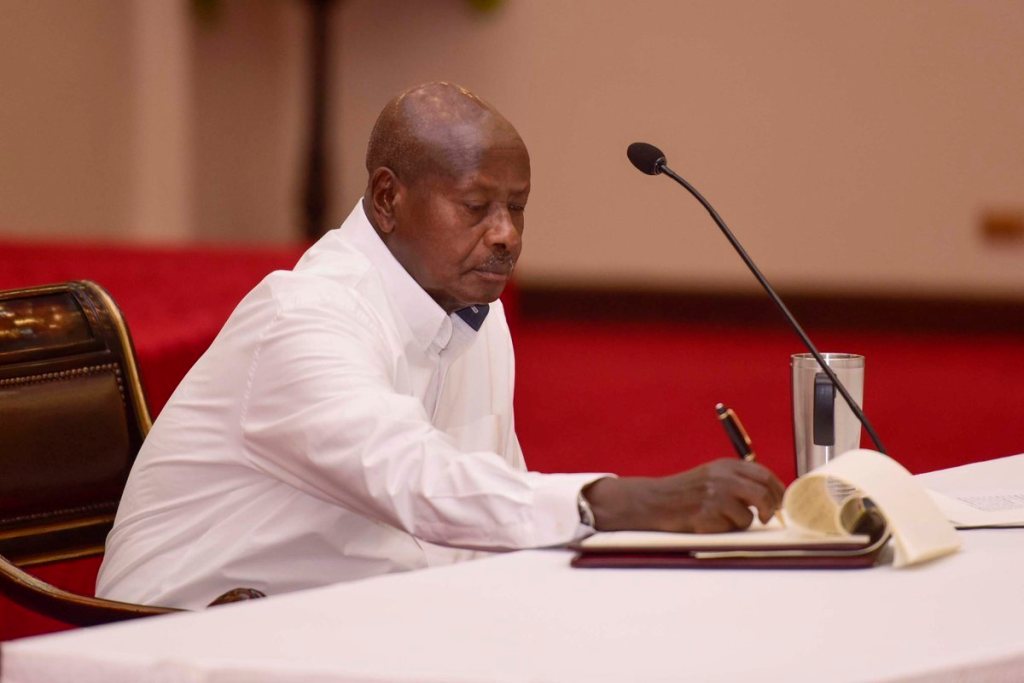
President Yoweri Kaguta Museveni has issued a sweeping directive to decentralize Uganda’s citizenship verification process, blaming bureaucratic inefficiencies and ulterior political motives for the mistreatment of immigrant communities—particularly the Banyarwanda.
In a nine-page communication following a meeting with leaders of the Banyarwanda of Uganda on June 23, 2025, at State House Entebbe, Museveni described how he had grown increasingly “irritated” by allegations that long-standing immigrant communities were being unfairly targeted and excluded from citizenship rights.
“Some People are making false allegations on the matter for some evil ulterior motives,” Museveni wrote, adding that the issue of citizenship should be addressed by local communities who know their own people—not centralized immigration officials or the National Identification and Registration Authority (NIRA).
Local Communities Take Charge
In his directive, the President emphasized that citizenship is a “mass, community issue” and must be verified by local leaders, including LC1 committees, elders, and Internal Security Organization (ISO) staff.
He argued that local verification committees should be responsible for identifying who qualifies for Ugandan citizenship—especially for families who were present before 1962.
Museveni stressed that it was “unfair and unnecessary” to leave such determinations in the hands of distant bureaucrats in Kampala, calling it a misuse of state resources and an injustice to communities who have lived in Uganda for generations.
Historical Context and Personal Reflections
The President offered a personal reflection, citing examples from his own upbringing in Ntungamo. He recalled how individuals of Rwandan and Nubian descent, and even Indians living in Ntungamo, were long integrated into the community and should not be treated as outsiders.
“All these are citizens of Uganda automatically, unless they choose not to be,” Museveni asserted, adding that it would be unjust for locals like Mzee Kabuteembe or Khamis to “come to beg” the Immigration Board for recognition.

He referenced Uganda’s Constituent Assembly debates, reminding the public that Uganda’s Constitution provides for automatic citizenship for those whose families were present by 1926.
New Measures
Under the new directive:
-
All citizenship registration will now be conducted locally.
-
No payment is required for those whose families were in Uganda by 1962.
-
Those who came after 1962 must pay standard immigration fees.
-
NIRA will handle documentation but must defer doubtful cases to local verification committees.
-
Final decisions in disputed cases will rest with District Citizenship Verification Committees, chaired by RDCs and including local council representatives.
Museveni also insisted that refugee families who remained in Uganda after conflicts should be allowed to register as citizens—after legal amendments—and later benefit from East African Federation citizenship arrangements.
Verification Questions and Fraud Warnings
The President provided a 14-point list of questions local committees must ask applicants, ranging from name and birth details to clan, language spoken, and willingness to renounce foreign citizenship.
He warned sternly that false declarations are a criminal offense under Ugandan law.
President Museveni’s new directive marks a significant shift in how Uganda will handle citizenship verification, putting local knowledge at the center of decision-making and attempting to protect long-settled communities from bureaucratic exclusion.
The move could impact thousands of Ugandans whose citizenship had been questioned and signals a broader push toward decolonizing administrative systems in favor of grassroots governance.
FULL STATEMENT BELOW