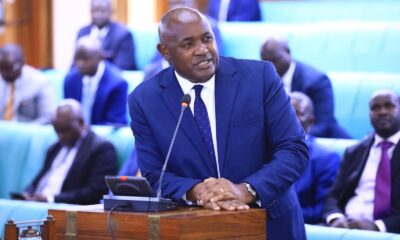
Uganda’s newly appointed Defence Minister, Kiryowa Kiwanuka, has outlined a three-point agenda focused on constitutionalism, military readiness and strategic partnerships as he takes charge of the country’s defence docket.
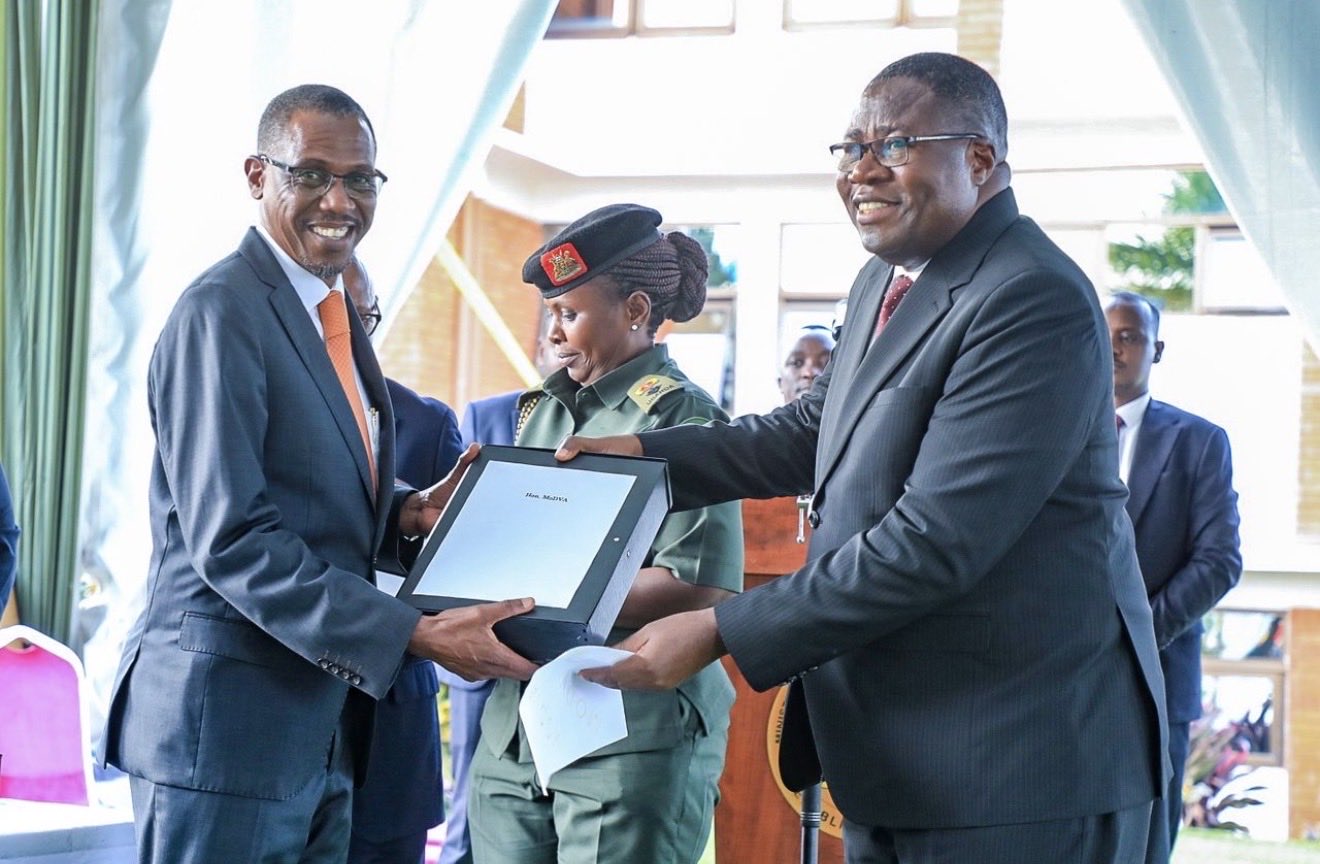
Speaking during the ceremony in which he received instruments of power from his predecessor Jacob Marksons Oboth (now Speaker), Kiwanuka revealed that his first reaction was to seek guidance from the Chief of Defence Forces, Muhoozi Kainerugaba, on whether he would need military training before assuming office.
“When I first heard that I was Minister of Defence, I called my brother, the CDF, and asked whether I was supposed to go for training. Once he told me there was no training, I said I was ready to take on the task,” he said.
The minister said his leadership at the Ministry of Defence would be guided by three key principles.
First, he emphasized adherence to the Constitution, stressing that the armed forces serve the people under the law.
“As a lawyer, I will ensure every activity, procurement and policy respects the law. Strength without law is tyranny; law without strength is empty,” he stated.
Secondly, Kiwanuka pledged to improve military readiness through reforms aimed at strengthening training, equipment and leadership within the Uganda People’s Defence Forces.
He announced plans to audit existing systems, eliminate wasteful expenditure and redirect resources to priority areas, including troop welfare, equipment maintenance and realistic military training.
“No soldier should go to battle with doubts about support from home,” he said.
The minister also highlighted the role of the military’s commercial enterprises, including the National Enterprise Corporation and the Wazalendo Savings and Credit Cooperative Society, saying they should play a greater role in supporting defence sustainability and national economic development.
His third pillar focuses on strengthening Uganda’s strategic partnerships and regional security cooperation while safeguarding national sovereignty.
Kiwanuka noted that peacekeeping operations and regional stability efforts remain central to Uganda’s contribution to Africa and the wider international community.
The remarks provide the clearest indication yet of the new minister’s priorities as he assumes responsibility for overseeing Uganda’s defence and security sector.