BRUSSELS — The European Union has imposed new restrictions on Sudan’s gold trade as part of efforts to cut off funding sustaining the country’s prolonged conflict.
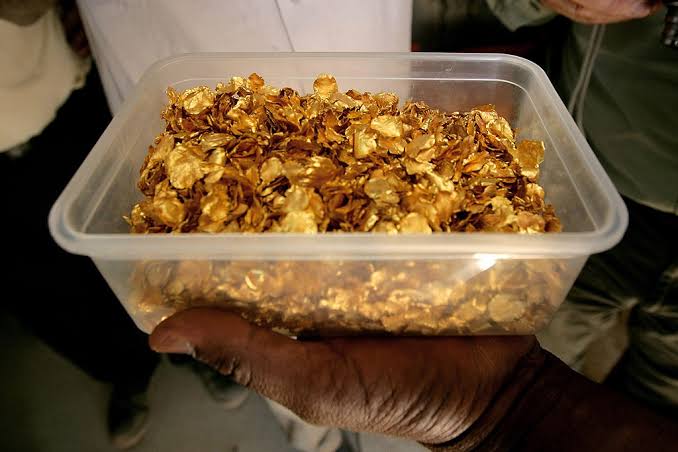
Under the measures adopted by the Council of the European Union, businesses and individuals within the bloc are prohibited from purchasing, importing or transferring gold originating from Sudan. The restrictions also cover financial assistance, brokerage services and technical support connected to the prohibited trade.
The EU has also banned the sale, supply or export of mercury and cyanide to Sudan. Both chemicals are widely used in gold mining and processing.
However, exemptions have been provided for supplies intended for humanitarian operations, public-health emergencies and disaster-response activities.
The European Council said gold had become an important source of revenue for those sustaining the conflict and that restricting access to international markets and mining materials could reduce the financial resources available to the warring parties.
Sudan’s conflict broke out on April 15, 2023, following the collapse of relations between the Sudanese Armed Forces, led by General Abdel Fattah al-Burhan, and the paramilitary Rapid Support Forces, commanded by Mohamed Hamdan Dagalo, commonly known as Hemedti.
The fighting has since developed into a major humanitarian crisis, displacing millions of people, disrupting essential services and threatening stability across Sudan and the wider region.
Gold remains one of Sudan’s most valuable resources. Large quantities are believed to leave the country through informal and smuggling networks involving neighbouring states before reaching international trading and refining centres.
The scale of the illicit trade has raised concerns that Sudan’s mineral wealth is enabling armed groups to purchase supplies, maintain their operations and prolong the conflict despite international diplomatic pressure.
The new restrictions strengthen an EU sanctions framework established in October 2023 against individuals and organisations accused of undermining Sudan’s stability and political transition.
In January 2026, the bloc imposed sanctions on seven additional individuals following an escalation in the conflict. The EU has repeatedly called for an immediate ceasefire, unrestricted humanitarian access and the establishment of an inclusive, civilian-led government.
The European Union said it would continue using diplomatic and economic pressure against actors fuelling the war and urged foreign powers to stop providing support that enables the conflict to continue.
Source: BBC News