
Uganda Unveils 7-Point Plan to Combat Infectious and Chronic Diseases
October 28, 2026
KAMPALA, UGANDA — Uganda has called for a coordinated and integrated approach to tackling communicable and non-communicable diseases as the country grapples with the dual challenge of infectious disease outbreaks and the growing prevalence of chronic illnesses, including cancer, diabetes, hypertension and heart disease.
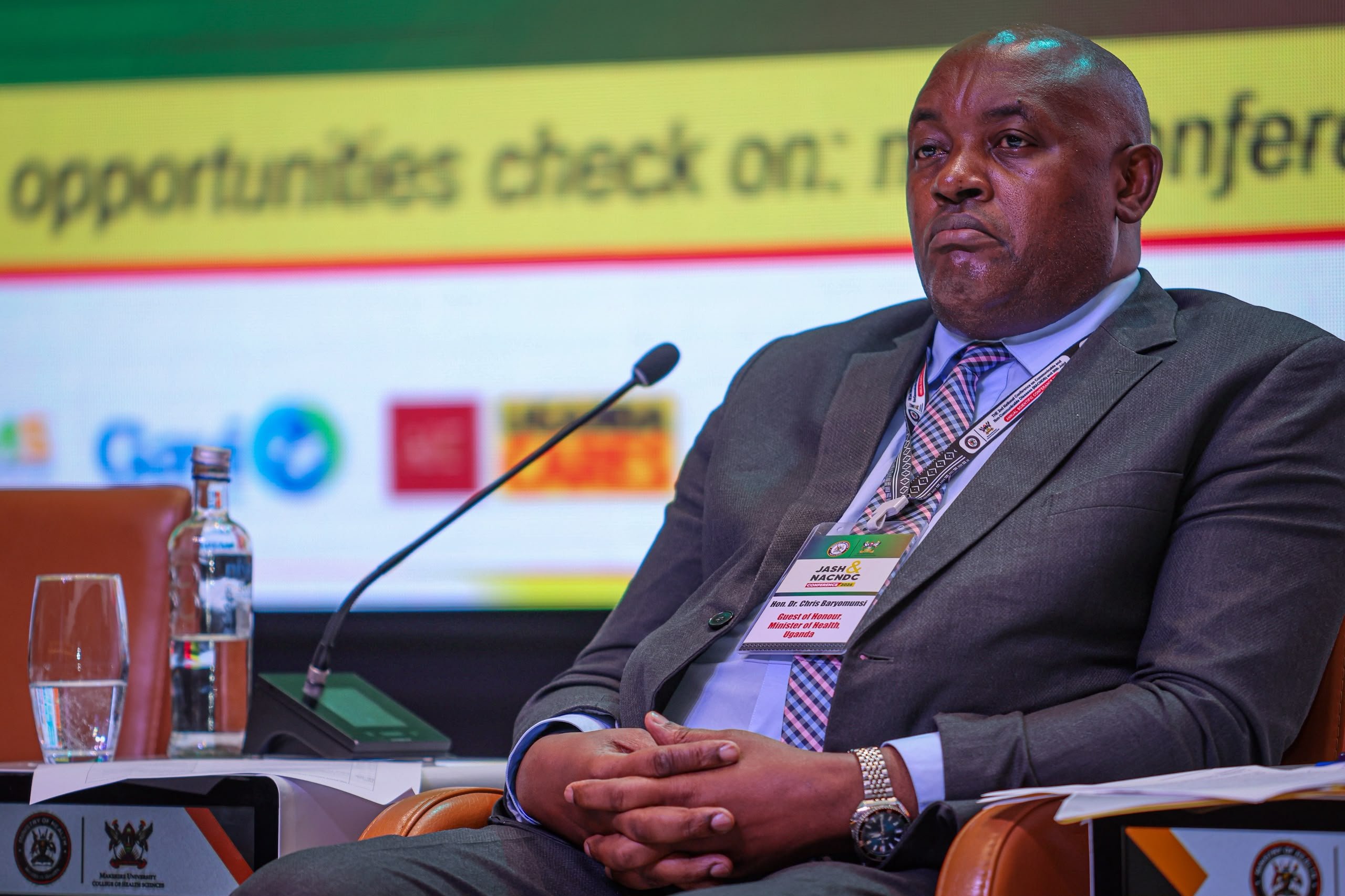
The call was made by the Minister of Health, Dr Chris Baryomunsi, while officiating as Chief Guest at the 20th Joint Annual Scientific Health Conference and the 2nd Annual Communicable and Non-Communicable Diseases Conference 2026, held at Speke Resort Munyonyo in Kampala.
Addressing researchers, medical professionals, policymakers, academics and development partners, Dr Baryomunsi emphasised the need to translate scientific research into practical health policies and interventions capable of improving healthcare delivery and saving lives.
He warned that Uganda's health system must simultaneously confront persistent infectious diseases and the increasing burden of non-communicable diseases (NCDs), which require long-term treatment, early diagnosis and sustained investment.
Minister Raises Alarm Over Childhood Immunisation Gaps
Dr Baryomunsi expressed concern over gaps in childhood immunisation, revealing that although more than 90 percent of children receive an initial vaccine dose, only approximately 64 percent complete the second dose, according to figures he presented.
He urged health authorities, community health workers and parents to strengthen follow-up mechanisms and public awareness campaigns to ensure children complete their recommended vaccination schedules.
The Minister also called for expanded screening programmes for hypertension, diabetes, cancer and other chronic conditions, noting that many patients seek medical attention only after developing serious complications.
He stressed the importance of integrating healthcare services to enable patients to receive screening, diagnosis, treatment and follow-up care for multiple conditions within the same health system.
Uganda Calls for Stronger Regional Cooperation Against Epidemics
Highlighting the cross-border nature of infectious diseases, Dr Baryomunsi called for enhanced regional cooperation, particularly with neighbouring countries such as the Democratic Republic of Congo, Kenya and South Sudan.
He observed that infectious diseases do not recognise national boundaries, making coordinated surveillance, information sharing and emergency preparedness essential to protecting populations across East Africa.
The Minister advocated stronger collaboration among governments, regional health institutions and international development partners to improve epidemic detection, prevention and response.
His remarks underscored the importance of regional health security and collective action in addressing emerging and recurring public health threats.
Health Financing and National Insurance Take Centre Stage
Turning to healthcare financing, Dr Baryomunsi acknowledged that Uganda's health budget remains below the 15 percent national budget allocation target established under the 2001 Abuja Declaration.
He called for greater domestic investment in healthcare infrastructure, medical supplies, disease prevention and human resources.
The Minister further emphasised the importance of advancing a national health insurance scheme to improve access to affordable medical services and reduce the financial burden of healthcare on Ugandan households.
He also encouraged increased investment in local pharmaceutical manufacturing to strengthen medicine security, reduce dependence on imported medical products and improve the reliability of essential drug supplies.
Seven Priorities for Strengthening Uganda's Health System
Dr Baryomunsi outlined seven strategic priorities for improving Uganda's response to communicable and non-communicable diseases:
-
Expanding immunisation coverage and early disease screening.
-
Integrating healthcare services for more comprehensive patient care.
-
Strengthening community health workers and primary healthcare systems.
-
Enhancing regional cooperation in epidemic preparedness and response.
-
Investing in reliable health information systems, scientific research and evidence-based policymaking.
-
Increasing sustainable domestic health financing and advancing universal health coverage.
-
Addressing social determinants of health, including education, nutrition, transport and living conditions.
He emphasised that effective disease prevention and healthcare delivery require collaboration beyond the Ministry of Health, involving sectors responsible for education, infrastructure, agriculture and social development.
Development Partners Urged to Align Support with National Priorities
The Minister also called on international development partners and health organisations to coordinate their interventions with Uganda's national health priorities.
He stressed that development assistance should support nationally identified needs through joint planning, budgeting, implementation and monitoring to maximise impact and avoid duplication of efforts.
The conference provided a platform for researchers, universities, government agencies and healthcare practitioners to exchange scientific knowledge, examine emerging public health challenges and identify practical solutions for strengthening Uganda's healthcare system.
Dr Baryomunsi reaffirmed that a healthy population remains fundamental to Uganda's socioeconomic transformation, urging participants to ensure that scientific discoveries translate into measurable improvements in healthcare access, disease prevention and quality of life.
His message reinforced Uganda's commitment to strengthening national health systems while deepening regional and international cooperation in confronting the growing burden of communicable and non-communicable diseases.