
Business
Car Boot to a Mall Storefront: The Making of Kampala’s Mummy Gadgets

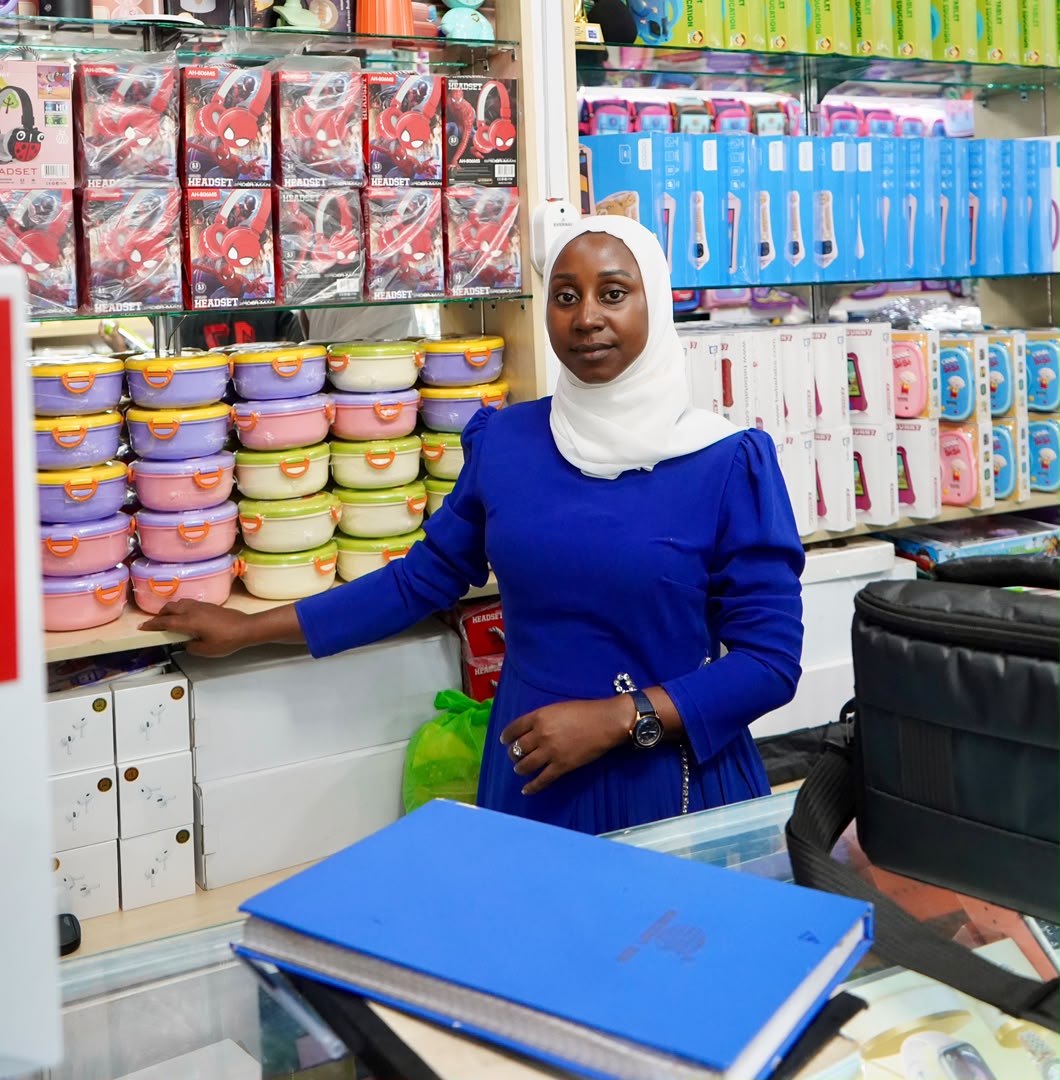
KAMPALA — Six years ago, a young Makerere University graduate with a degree in Ethics and Human Rights was delivering children’s tablets out of the boot of her own car, working without a shop, a warehouse, or much capital at all.
Today, Namunswa Alma Daizy trades under a name that has become more recognisable in parts of Kampala than her own: Mummy Gadgets. Her outlet at New Pioneer Mall now draws parents, students and gadget buyers looking for tablets, smartwatches, phones and children’s electronics, and she has since branched into real estate under the label Mummy G Real Estate.
She posts under @mummy_gadgetsug on TikTok, Instagram and Facebook where her product demonstrations have amassed a significant following.
Her rise traces a path familiar to many young entrepreneurs who came of age during Uganda’s pandemic years. An improvised, low capital hustle born of necessity, grown through personal storytelling on social media, and eventually converted into a fixed shopfront and a recognisable brand.
It is a story built on real commercial activity, but also one where much of the detail is difficult to separate from Namunswa’s own retelling of it, a distinction worth keeping in mind rather than glossing over.
Origins: Nsambya, Makerere, and a Degree That Does Not Obviously Lead to Gadgets
Namunswa was born in April 1995 at Nsambya Hospital in Kampala. She went on to study at Makerere University, Uganda’s oldest and most prominent public university, where she read for a Bachelor’s degree in Ethics and Human Rights, a discipline concerned with governance, accountability and the protection of human dignity rather than with commerce, retail or electronics.
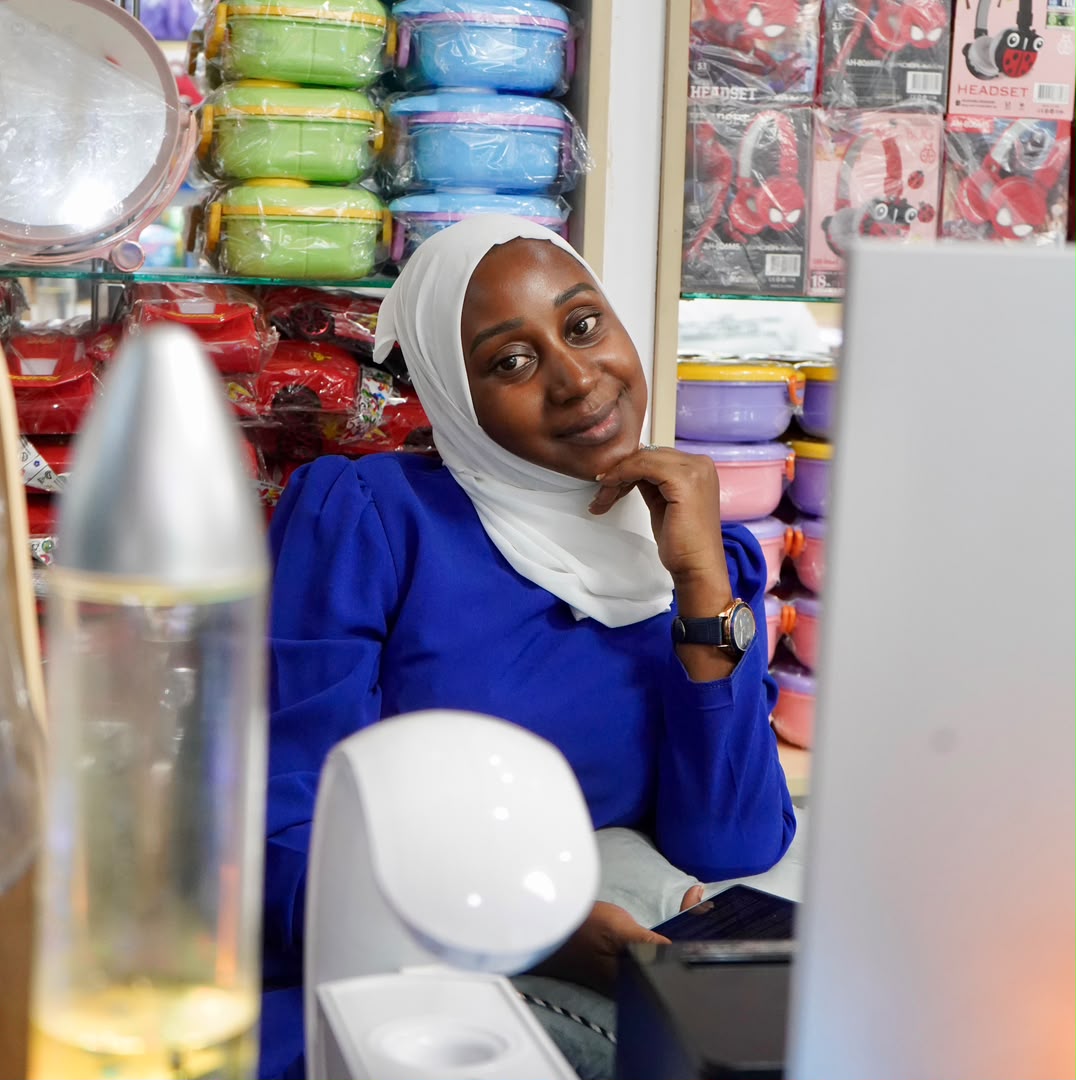
That degree choice has become a fixture of how her story is told, with an emphasis on treating customers honestly and fairly rather than purely chasing profit.
It is a claim that is difficult to verify independently, a stated personal philosophy rather than an established causal account of her business practices, and one that any entrepreneur might reasonably offer in hindsight.
She is also described as having balanced coursework with community and charitable engagement during her university years, though the specifics of that engagement are not laid out in detail.
A Pandemic, a Closed School System, and an Improvised Business
The central part of Namunswa’s story concerns 2020, the year Uganda’s government imposed extended COVID-19 lockdown measures that shuttered schools, disrupted commerce and left many households without a stable income.
This backdrop is well documented independently of Namunswa’s case. Uganda’s pandemic era restrictions were among the longest in the region, and school closures stretched over an unusually extended period, forcing families to improvise ways of keeping children occupied and where possible learning at home.
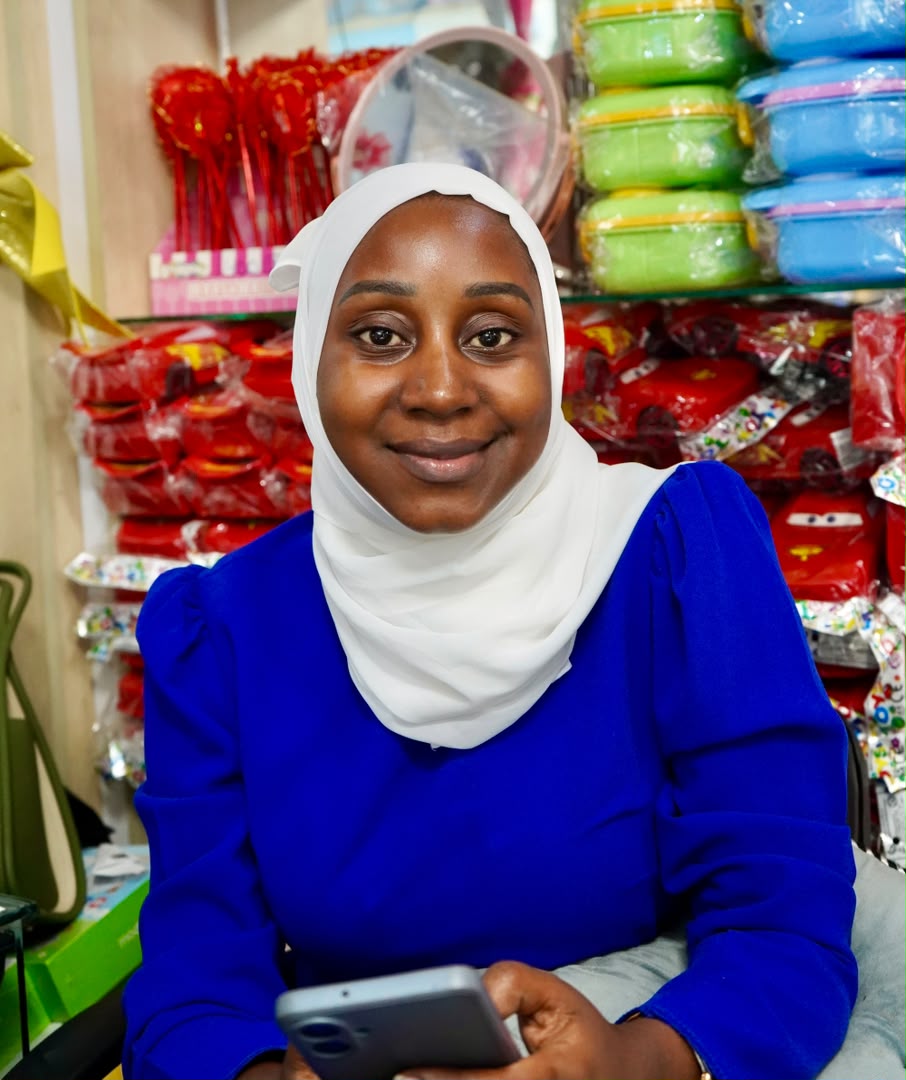
Within that environment, Namunswa identified a specific narrow opportunity. Parents suddenly searching for affordable tablets and other devices that could support children’s schooling and entertainment while classrooms stood empty.
She did not have the capital to rent retail space or stock a shop in any conventional sense. Instead, she began sourcing gadgets and delivering them personally to customers around Kampala, using her car as both storage and delivery vehicle, and relying on WhatsApp, Facebook and word of mouth rather than paid advertising to find buyers.
This period, working out of a car boot, coordinating orders individually, driving across the city to hand over devices, is the founding story her business is built around.
It is also a plausible and in Uganda’s context unremarkable adaptation. The pandemic pushed many small traders who lacked capital or premises toward exactly this kind of low overhead, delivery based, socially networked selling.
Uganda’s retail and small enterprise sector saw a documented shift toward informal, delivery driven and social media marketed models during 2020 and 2021, as movement restrictions made conventional shopfronts difficult to sustain and pushed transactions onto phones.
Namunswa’s account fits that broader independently observable pattern rather than describing something unique to her.
What is harder to pin down is the specific texture of that period, the exact volume of sales, the precise financial pressure she was under, or the details of individual customer interactions she has described.
These are elements of personal narrative rather than externally documented record, which is unremarkable for an individual who was not yet a public figure at the time, but worth noting rather than passing over.
From the Car Boot to S.P. Plaza to Pioneer Mall
As the improvised delivery business grew, it took on a physical address. The operation moved into a shop at S.P. Plaza, near Majestic Cinema in Kampala, selling children’s tablets, smartwatches, ring lights and imported used phones sourced from the United Kingdom, a category of device common across Uganda’s mid range electronics market, where UK used and other imported secondhand phones are widely sold at prices below those of new equivalents.
The business later relocated again to New Pioneer Mall, where it continues to trade.
The shift from car boot delivery to a rented retail unit and then to a larger or more prominent mall location is presented as a marker of organic growth driven by an expanding customer base.
There is no independently published sales data, footfall count, or financial record that would allow that growth to be measured or verified from outside the business itself.
As with many small privately held Ugandan retail operations, Mummy Gadgets does not publish financial information, and claims about its commercial trajectory rest on the visible fact that the shop has occupied progressively larger or more central premises, combined with Namunswa’s own description of demand outgrowing her earlier setup.
It is worth situating this growth pattern within Uganda’s broader retail sector rather than treating it as exceptional. Small electronics and gadget retailers operating out of Kampala’s commercial plazas and malls are a common feature of the city’s commercial landscape, and movement from an informal delivery based start into a fixed shop and from a smaller premises into a larger or better located one is a familiar trajectory for small traders across many product categories, not a pattern specific to social media linked businesses.
Building Mummy Gadgets as a Name and a Following
The nickname that has become the business’s public identity emerged organically rather than being deliberately chosen as a brand. Customers calling to ask about tablets and children’s devices are said to have addressed her simply as Mummy, and the label stuck, eventually attaching itself to the shop itself rather than remaining an informal form of address.
Alongside the physical shop, Namunswa built a public presence across TikTok, Instagram, Facebook and YouTube, centred on product demonstrations, everyday footage from inside the shop, and personal disclosures about the ups and downs of running the business, rather than on tightly scripted advertising.
This approach, using ordinary low production video content to build trust with an audience before converting that trust into sales, mirrors a broader pattern across Uganda’s small business social media use, where TikTok in particular has grown rapidly as a marketing channel for traders who cannot afford conventional advertising.
It is not on the evidence available a technique unique to Mummy Gadgets, even if it has evidently worked for the business.
One episode that drew particular attention to Namunswa’s public profile was her purchase of concert tickets for fans of the Ugandan dancehall artist Alien Skin, a gesture that generated notable discussion online at the time.
Beyond the fact that this generated online conversation, limited independent detail is available about the scale or context of the gesture.
The consistent throughline in Namunswa’s own framing of her business is that it is about more than commercial transactions, an emphasis on customer relationships, trust, and measuring success by the number of people helped rather than purely by profit.
This is a stated personal philosophy rather than an independently measurable outcome, and should be read accordingly. It reflects how Namunswa presents her own motivations, not a verified account of the shop’s social impact.
An Award, and What It Does and Does Not Establish
In 2024, Namunswa received the Best Gadgets Distributor award at the Voice of Customer Awards Africa.
This detail functions as one of the few concrete dated third party attributable facts in her public narrative, an award from a named body in a named year in a named category.
What is less clear is the scale, selection process, or relative prominence of the Voice of Customer Awards Africa within Uganda’s or the region’s business recognition landscape.
Its mention should be read as evidence that some external recognition process named her business, not as an independent measure of the size or significance of Mummy Gadgets relative to other electronics retailers in Kampala.
Diversification: Real Estate and a Planned Children’s Space
Namunswa’s public profile has expanded beyond gadget retail. She has established an operation described as Mummy G Real Estate, framed as an extension of the same underlying approach that built Mummy Gadgets, identifying a practical need among Ugandan families and building a business around meeting it.
She has also spoken publicly about plans for a Mummy G Kids Hub, described as a child focused space linked to her stated interest in supporting young people, though no location, opening date, or operational detail has been specified for this project beyond its announcement.
As with other elements of her public narrative, the real estate venture and the planned children’s hub are known mainly through Namunswa’s own statements rather than through independent verification such as business registration records or property listings.
Expanding into a second unrelated industry, moving from retail electronics into property for instance, generally introduces management and financial complexity that a single sector operation does not face, a general observation about diversification risk rather than a specific claim about the health of Namunswa’s ventures.
A Business Built on a Personal Brand and What That Implies
Namunswa’s case fits a recognisable pattern in Uganda’s contemporary retail economy. A founder whose personal identity visible on camera and active in the comments section is inseparable from the commercial brand itself.
This model can generate strong customer loyalty, because buyers feel they are supporting a known individual rather than an anonymous company, and recommendations spread through personal trust rather than advertising spend.
The same model carries a structural vulnerability that more conventional less personality dependent retailers do not face to the same degree. The business’s reputation rises and falls with the public standing of the individual behind it.
A founder branded shop is more exposed to reputational shocks, a public dispute, an unresolved customer complaint that goes viral, or simply changing public interest in the founder as a personality, than a business whose identity is not tied to one person’s continued popularity.
This is a general feature of personality led social commerce rather than a specific criticism of Mummy Gadgets, but it is relevant context for weighing how durable this kind of business model tends to be over time.
It is also worth noting as a matter of context rather than criticism that Uganda’s electronics retail sector, the specific market Mummy Gadgets operates in, has historically faced consumer concerns around counterfeit devices, inconsistent warranty honouring, and uneven after sales support.
Namunswa’s emphasis on customer trust and service reads as a direct response to these sector wide concerns, which is a plausible and common positioning strategy for any electronics retailer operating in this environment, rather than something distinctive to her personally.
The Phygital Model: Why the Shop and the Feed Depend on Each Other
The way Mummy Gadgets operates is sometimes described using a specific term. A hybrid of physical and digital retail, or phygital.
In practice this means the shop and the social media feed are not run as separate operations but as two ends of the same customer journey.
A prospective buyer typically first encounters the business through a TikTok video showing a tablet being unboxed, a parent asking questions about parental controls, or a clip of everyday activity inside the store.
That online exposure builds a degree of familiarity and trust before any money changes hands, and the same customer may then either visit the physical outlet to inspect a device in person or complete a purchase entirely through delivery without ever setting foot in the mall.
This model is not unique to Mummy Gadgets. It has become increasingly common among small Ugandan retailers who lack the budget for conventional advertising and instead treat their social media accounts as a form of ongoing informal marketing that costs little beyond the founder’s own time.
What distinguishes Namunswa’s version of it is the degree to which the content leans on demonstration and troubleshooting rather than straightforward promotion, showing how a parental control feature works for instance or talking through common problems parents encounter when setting up a device for a child.
Whether this content strategy is meaningfully more effective than similar approaches used by competing gadget retailers in Kampala is not something that can be assessed from the information available.
Staff, Systems, and the Limits of a One Person Operation
As the business grew from a single car and a single founder into a shop with regular foot traffic, the operational demands changed with it, recruiting staff, coordinating suppliers, and building the kind of systems that a car boot delivery service never needed.
In the earliest period Namunswa personally handled sourcing, marketing, deliveries and customer service without help.
A shop with fixed hours, a physical inventory and walk in customers requires a different structure. Staff who can demonstrate products and handle technical questions when the founder is not present, more predictable stock management, and financial planning that a single person delivery operation does not.
This transition, from founder as sole operator to founder as manager of a small team, is a standard feature of small business growth generally and is not on its own evidence of any particular scale.
How many staff the business currently employs, how sourcing and supplier relationships are structured, and what systems if any have been put in place to standardise service quality across a growing customer base are not specified anywhere in what is publicly known about the shop.
That growth should be treated as broadly plausible given that the shop visibly continues to trade from a prominent mall location without treating the specific claims made about it as independently confirmed.
Set Against Uganda’s Wider Gadget and Electronics Retail Market
Mummy Gadgets operates within a specific fairly crowded segment of Uganda’s retail economy. Small and mid sized outlets selling consumer electronics including new and imported secondhand phones, tablets aimed at children and students, and accessories such as smartwatches and ring lights typically from units rented within Kampala’s many commercial plazas and malls.
This segment has grown alongside rising smartphone penetration and internet use in Uganda over the past decade, and it is not a market Namunswa entered without competition.
Similar shops selling comparable products operate across New Pioneer Mall itself and in other Kampala commercial centres, most without anything resembling the public profile Mummy Gadgets has built.
That contrast is itself instructive. It suggests that whatever competitive advantage Mummy Gadgets holds is not primarily about product range or pricing, categories in which many similar shops can plausibly compete, but about the personal brand built around Namunswa specifically and the trust that brand is said to generate among parents wary of counterfeit devices or unreliable after sales support.
That dynamic is consistent with what has been observed more broadly among Uganda’s founder led social commerce businesses. In a market where many outlets sell functionally similar products at similar prices, a recognisable relatable public figure attached to the brand can function as a differentiator in ways that inventory alone cannot.
What Is Publicly Documented
Laid out plainly, the elements of Namunswa’s public story that rest on something closer to independent checkable fact are limited but real.
A shop trading as Mummy Gadgets exists and has operated from at least two identifiable commercial addresses in Kampala including its current location at New Pioneer Mall.
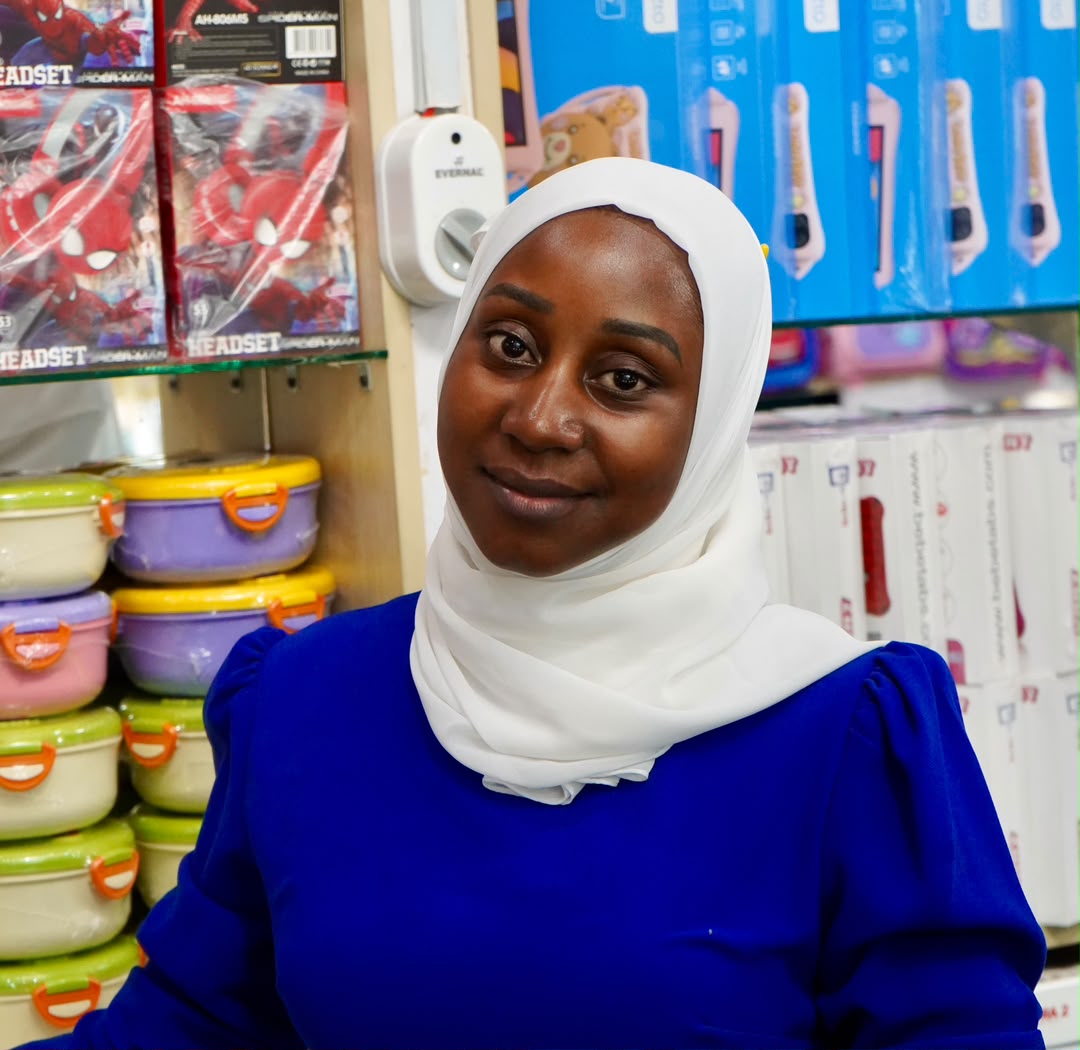
She holds a named award from a named 2024 awards programme.
And she maintains an active multi platform social media presence that is itself directly observable rather than reported secondhand.
Beyond that core, the bulk of her public narrative, the details of the 2020 car boot period, the specific reasoning behind her transition from ethics graduate to gadget retailer, the scale and impact of her charitable engagements, the trajectory and current size of Mummy G Real Estate, and the status of the planned Kids Hub, is known primarily through Namunswa’s own statements told in broadly consistent form over time.
This is not unusual for a private individual whose public profile has grown around her own storytelling rather than around events that were independently reported as they happened.
But it does mean that much of what circulates about her should be understood as a consistently told personal narrative rather than as a fully corroborated business history.
Part of a Broader Pattern, Not an Isolated Case
Namunswa’s trajectory, improvising a low capital delivery based business during a period of acute economic disruption, building an audience through everyday social media content rather than paid advertising, and eventually converting that following into a physical retail presence, mirrors a pattern visible across Uganda’s wider small business and creator economy over the past several years.
Uganda’s predominantly young population, limited formal sector employment opportunities, and rapidly growing smartphone and internet access have together pushed a significant number of young Ugandans particularly young women toward exactly this kind of self employment.
Identifying an underserved niche, marketing through TikTok, Facebook and WhatsApp rather than conventional channels, and building a business whose growth is inseparable from an individual’s personal following.
Uganda’s business registration authorities have reported continued growth in small trade and services registrations in recent years, a trend that provides useful context for assessing any individual founder’s claimed success.
Conversions of social media followings into functioning retail businesses do occur, but they occur against a backdrop of much broader small business formation, the great majority of which has nothing to do with social media influence at all.
That makes it difficult to isolate how much of Mummy Gadgets apparent growth is attributable specifically to Namunswa’s online following as opposed to more conventional factors, location, product selection, pricing, and word of mouth among parents shopping for children’s electronics.
Research on entrepreneurship in Africa more broadly has also repeatedly documented structural barriers facing women founders specifically, unequal access to finance, weaker networking opportunities, and persistent underestimation by suppliers or business partners.
Namunswa has described experiences of being underestimated because she was young, a woman, and a mother.
This kind of account is consistent with the wider independently documented pattern of barriers facing women entrepreneurs in the region, even though the specific incidents she references are not independently detailed beyond her own description of them.
Where Things Stand
Namunswa continues to run Mummy Gadgets from New Pioneer Mall, posting regularly across her social media accounts and remaining by her own account closely involved in day to day operations rather than having stepped back into a purely public facing role.
Her real estate venture and the proposed children’s hub remain on the information available in earlier and less documented stages than the gadget retail business that built her public profile in the first place.
Taken together her case is a useful illustration of how a certain kind of small Ugandan business story takes shape. A compelling personal arc, real and visible commercial activity at New Pioneer Mall, a named award from 2024 that anchors the narrative to something checkable, and a supporting body of detail told in broadly consistent form across multiple interviews over time.
That is not unusual for a founder led business whose profile grew through personal storytelling rather than through contemporaneous reporting, but it is a distinction worth making plain.