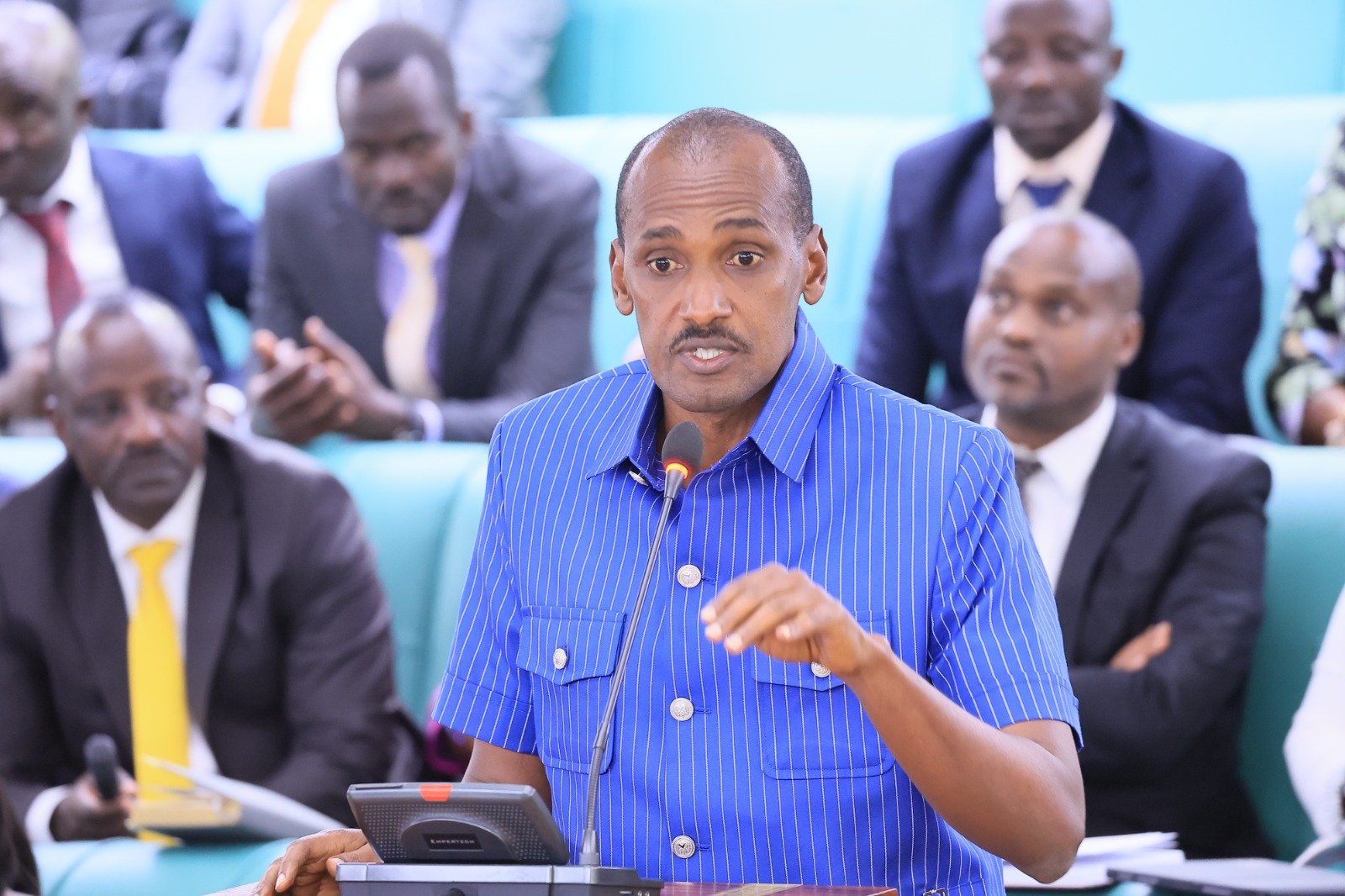
KAMPALA — Agriculture Minister Frank K. Tumwebaze has challenged Parliament’s dress code rules after he and other MPs wearing Kaunda suits were ordered to comply with the House’s formal dressing requirements.
Tumwebaze said the controversy goes beyond fashion, arguing that the debate over what constitutes formal and decent dressing in Parliament is also about ideology, cultural identity and Africa’s heritage.
In a statement following Thursday afternoon’s proceedings, Tumwebaze said many people still associate formal dressing for men exclusively with a Western-style suit, consisting of a tucked-in shirt, coat, matching trousers and necktie.
He said he does not subscribe to what he described as a “colonially imposed dress code,” arguing that African styles should not be treated as less formal or decent.
“It’s not an issue of fashion but rather it’s ideological and about our heritage,” Tumwebaze said.
The minister invoked the example of former South African President Nelson Mandela and his signature Madiba shirt, which became closely associated with African identity and the struggle against apartheid.
Tumwebaze argued that Mandela’s style represented more than a fashion choice, saying it helped challenge rigid colonial notions of formal dressing while symbolising accessibility, African identity and post-apartheid freedom.
“To some of us, these characteristics of the Madiba shirt speak so deeply to our ideological convictions,” he said.
The controversy arose after Tumwebaze and other lawmakers wearing Kaunda suits were reportedly put to order by Kilak County MP Gilbert Olanya over an alleged breach of Parliament’s dress code rules.
Tumwebaze said Speaker Oboth Oboth subsequently ruled in their favour, which he described as a protection of their rights.
He is now preparing to appear before Parliament’s Committee on Rules next week to present proposed amendments on the issue.
According to Tumwebaze, the proposed changes will seek to ensure that African wear is properly defined and explicitly provided for under Parliament’s rules of procedure.
He urged fellow legislators and others who regard the Western suit as the only acceptable standard of formal and decent male dressing to reconsider their position.
“Insisting on Western styles of dressing to be the ones to define decency is not only an insult to our cultural rights but also to the greater African heritage,” he said.
Tumwebaze further warned against entrenching what he described as a colonial dress code in parliamentary rules as the “gold standard” for smart, decent and formal dressing.
The minister’s intervention is likely to reignite debate over cultural identity, institutional dress codes and the place of African attire in formal public institutions.