The government has introduced fresh revisions to the Protection of Sovereignty Bill, 2026, removing one of its most contentious proposals that sought to classify Ugandans living abroad as foreign agents.
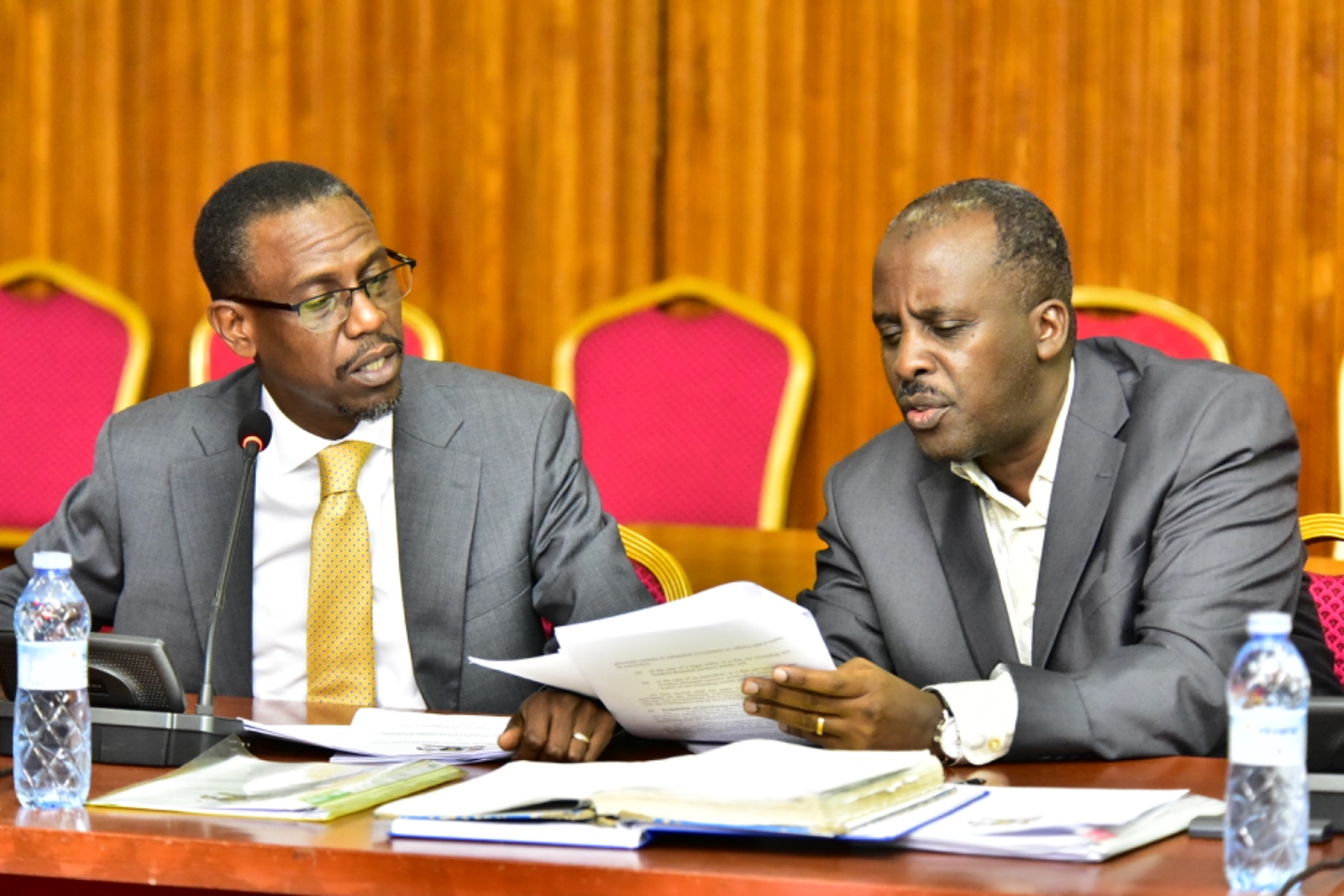
The Bill’s proponents, Attorney General Kiryowa Kiwanuka and Minister of State for Internal Affairs David Muhoozi, on Thursday returned to Parliament’s Joint Committee on Legal and Parliamentary Affairs and Defence and Internal Affairs to present amendments following extensive stakeholder consultations.
The earlier draft had triggered concern among the diaspora community and civil society actors, particularly over provisions that could subject Ugandans abroad to heightened scrutiny under the proposed law.
In the revised version, lawmakers have now refined the definition of a “foreigner,” limiting its scope to individuals and entities directly involved in influencing activities outlined under the Bill.
According to the amendment, a foreigner is now defined as “a person who engages, undertakes, supervises, controls, finances or subsidises the activities specified in section 2(2) and includes a non-Ugandan citizen, foreign governments, diplomatic missions, corporations registered outside Uganda and international or multinational organisations.”
The changes signal a softening of the government’s initial stance, which had drawn criticism for potentially overreaching into the affairs of Ugandans living outside the country.
Speaking before the committee, the officials emphasized that the revisions were informed by stakeholder feedback and aimed at striking a balance between safeguarding national sovereignty and protecting legitimate engagement by citizens and institutions.
The Joint Committee is expected to continue scrutinizing the Bill clause by clause, as legislators weigh its implications on governance, civil liberties, and Uganda’s international partnerships.
The Protection of Sovereignty Bill, 2026 remains under active consideration, with further amendments still possible before it is tabled for debate and eventual passage.