News
‘Stop the ‘Noise’: Museveni Breaks Silence on Sovereignty Bill, Says It Targets External Influence Not Capital Flows

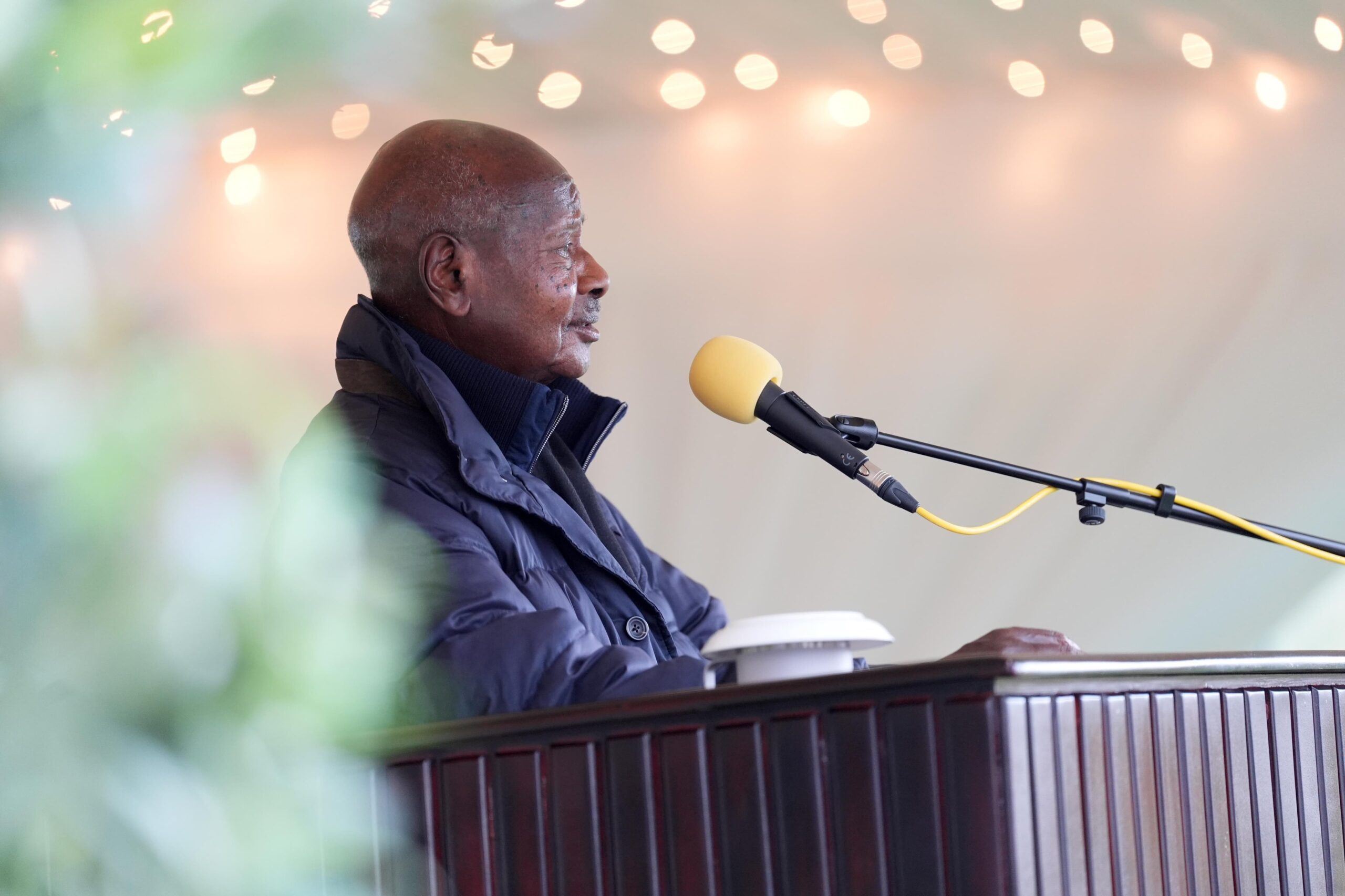
President Yoweri Kaguta Museveni has issued a detailed public statement clarifying the intent of the proposed Sovereignty Bill, distancing it from widespread claims that it seeks to restrict foreign direct investment, remittances, and religious funding.
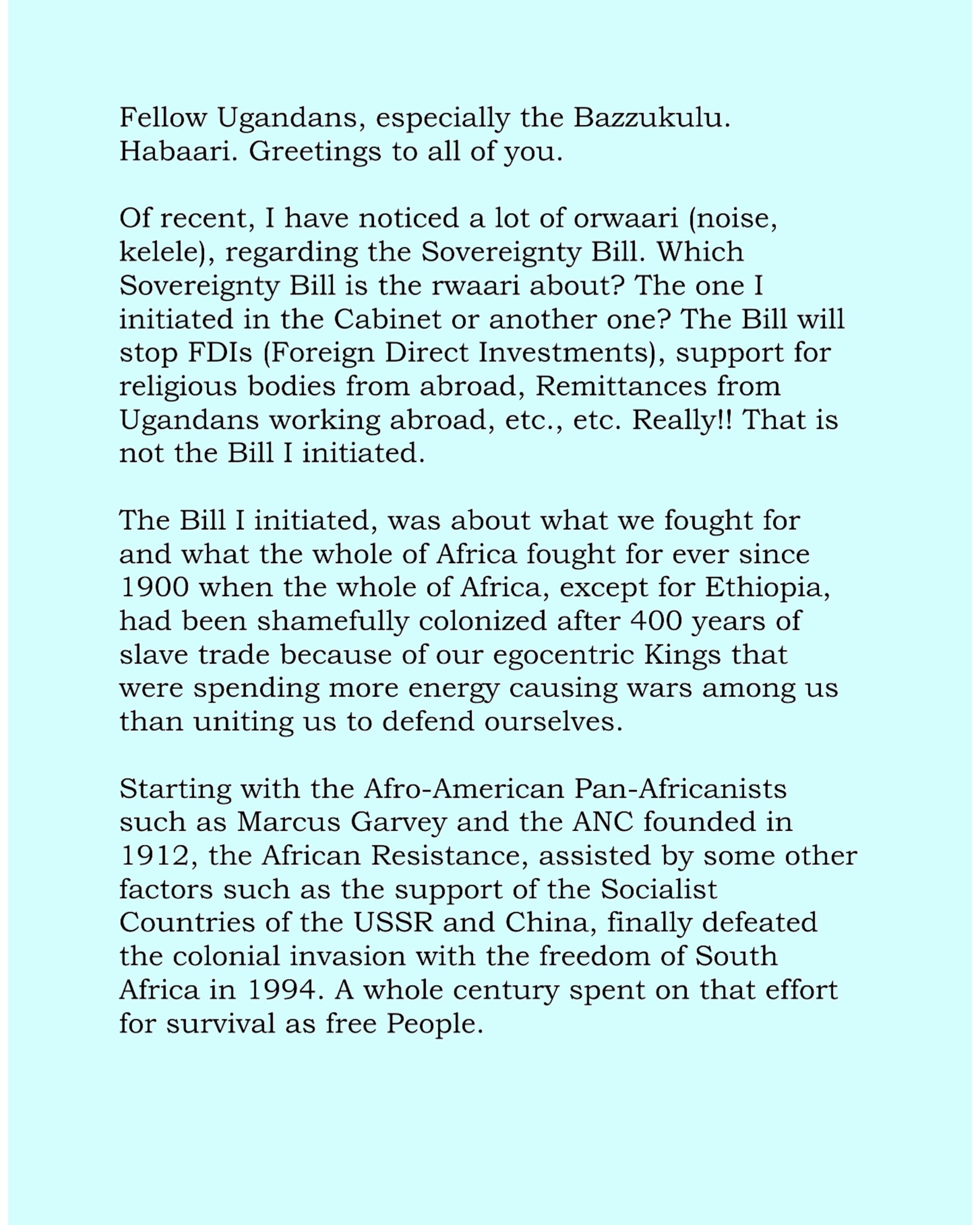
In a message addressed to Ugandans, particularly the youth (Bazzukulu), Museveni dismissed what he described as “orwaari” (noise) surrounding the Bill, stating that the version being debated publicly is not the one he initiated in Cabinet.
“The Bill I initiated does not stop FDIs, remittances, or support to religious bodies,” Museveni emphasized. “That is not the Bill I proposed.”
According to the President, the core objective of the Sovereignty Bill is to safeguard Uganda’s independence in policy decision-making, rather than interfere with economic flows.
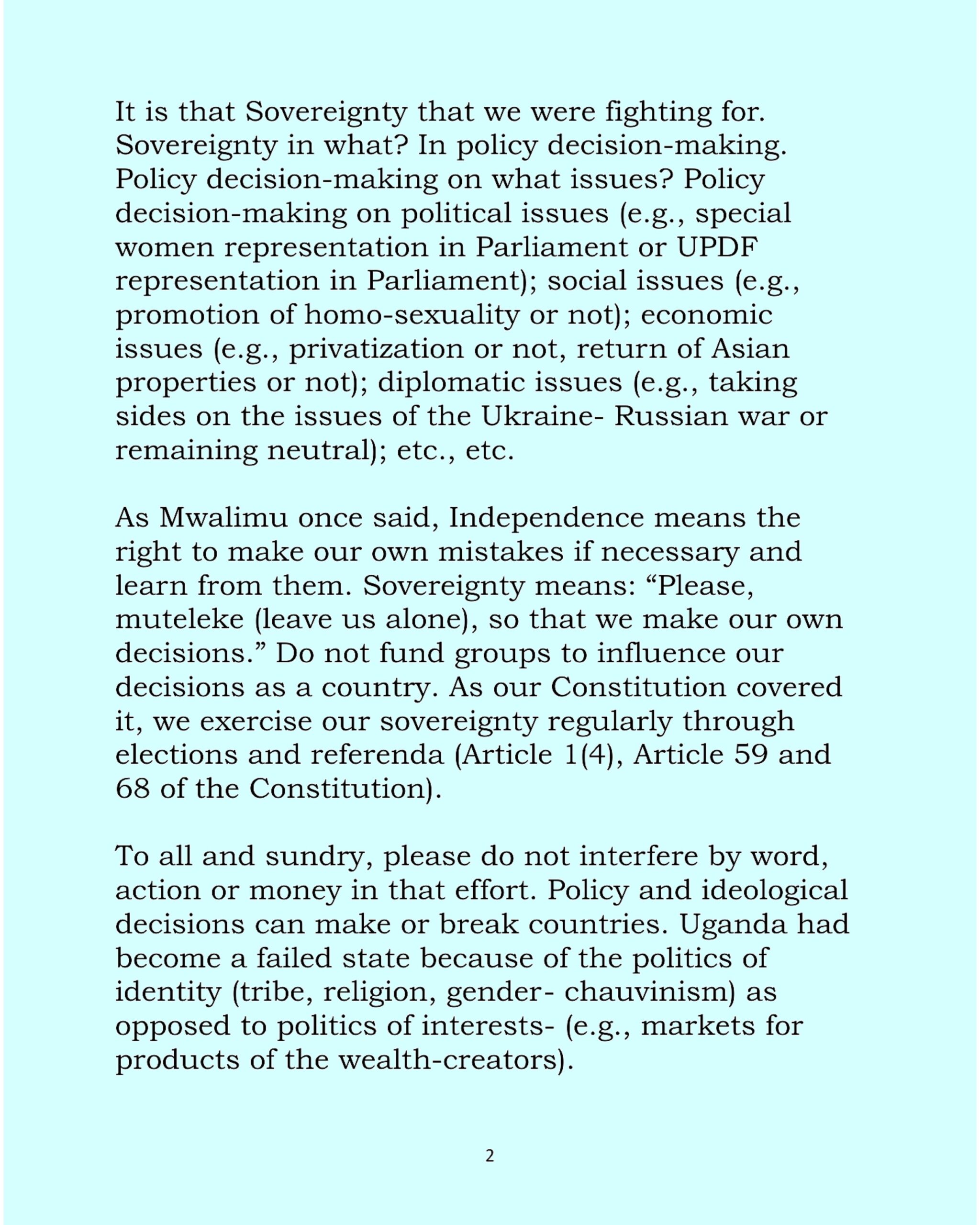
He explained that sovereignty, as envisioned in the Bill, applies to decisions across:
- Political issues (such as representation frameworks)
- Social policies
- Economic direction (including privatization debates)
- Diplomatic positioning, including neutrality in global conflicts
Museveni framed this as a continuation of Africa’s historical struggle against external control, referencing Pan-African figures such as Marcus Garvey and liberation movements like South Africa’s ANC.
The President strongly cautioned against foreign interference in Uganda’s internal affairs, particularly through funding mechanisms aimed at influencing policy outcomes.
“Do not fund groups to influence our decisions as a country,” he stated, adding that Uganda’s Constitution already provides mechanisms for exercising sovereignty through elections and referenda.

He stressed that ideological and policy decisions “can make or break countries,” pointing to Uganda’s past instability, which he attributed to identity-based politics rather than interest-driven governance.
Free Economy to Remain Intact
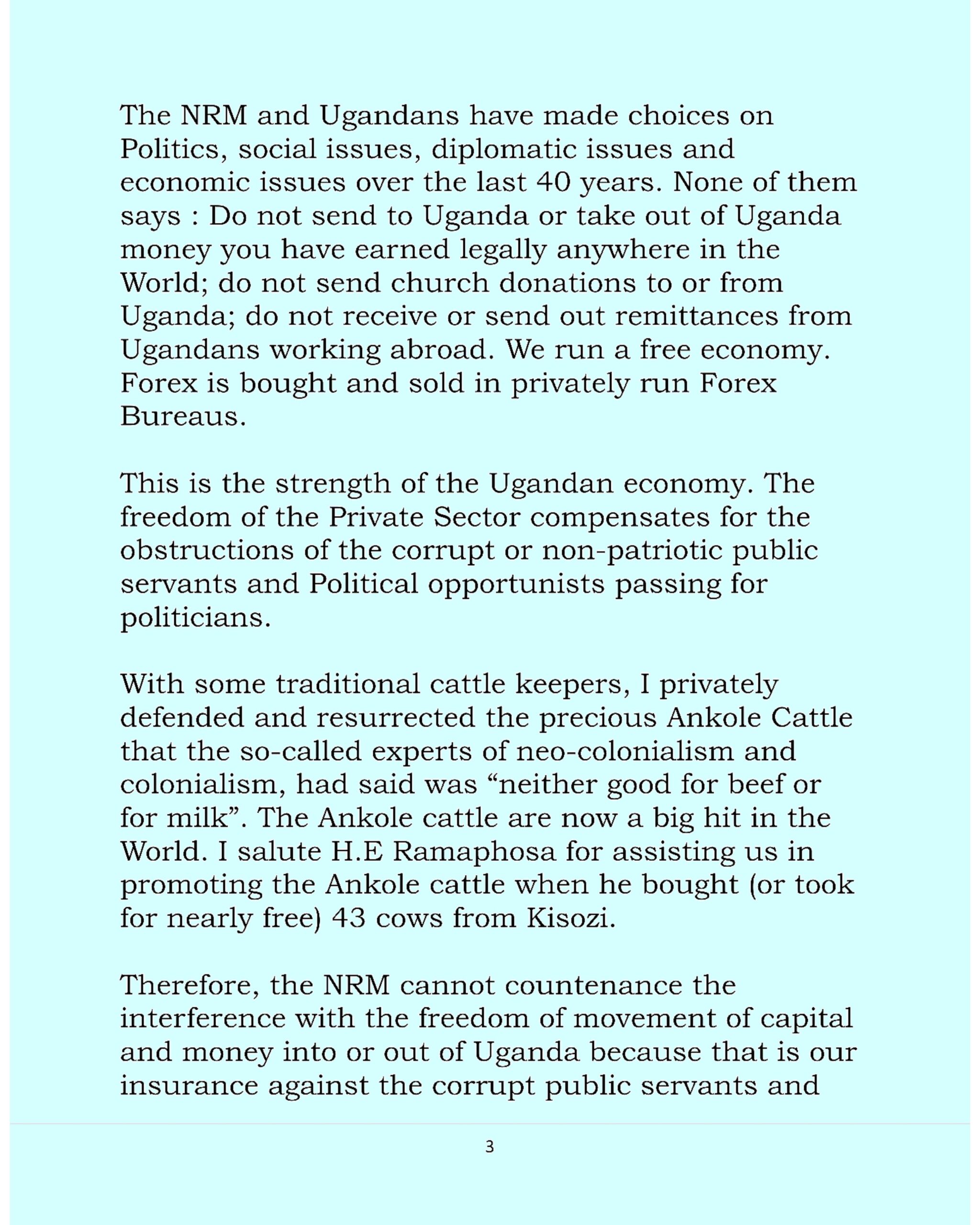
Museveni pledged Uganda’s commitment to a free-market economy, clarifying that there are no plans to restrict capital movement.
“We run a free economy. Forex is bought and sold in privately run bureaus,” he noted.
He added that economic openness has been a key pillar of Uganda’s growth, compensating for inefficiencies in public administration.
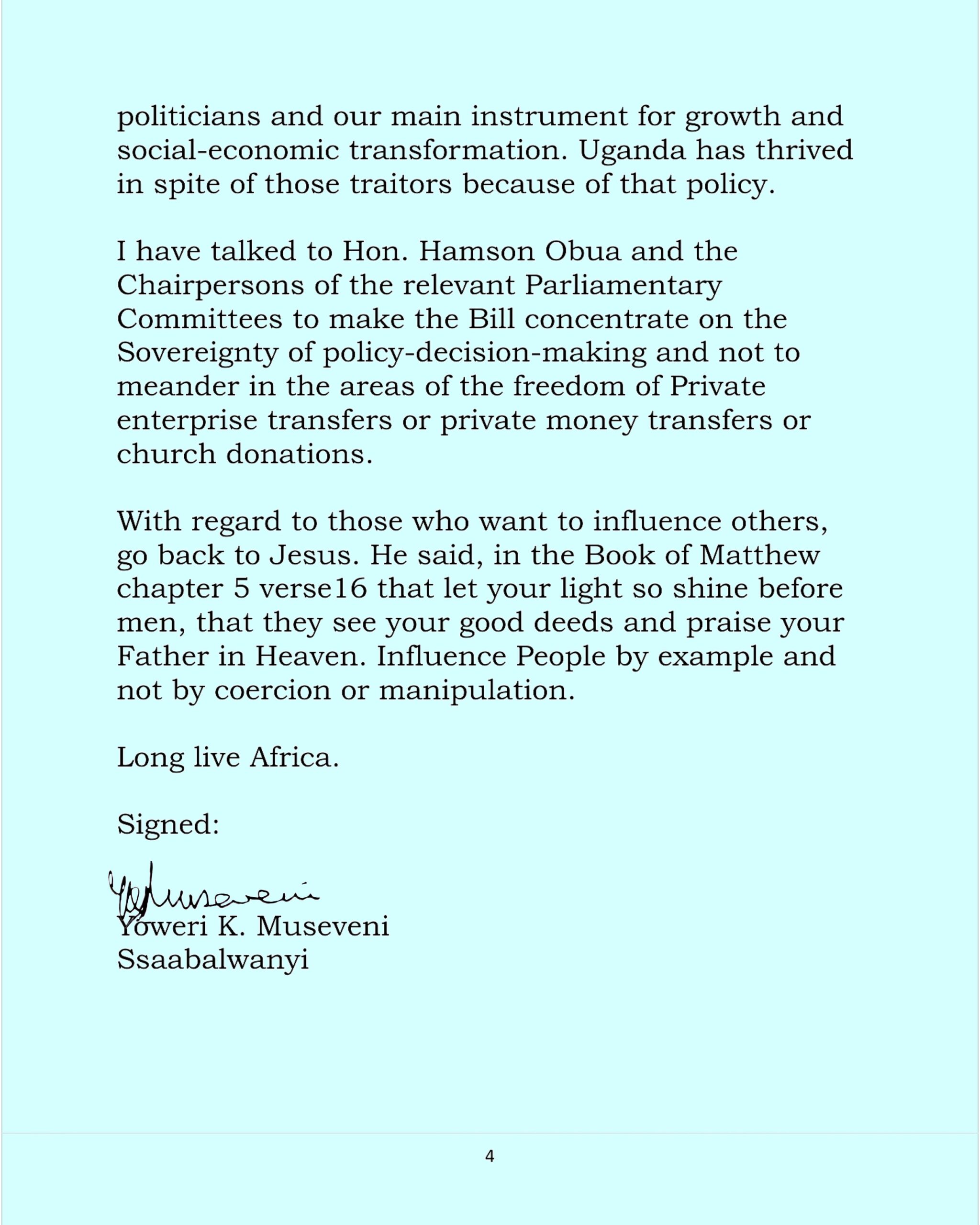
The President revealed that he has engaged with Government Chief Whip Hon. Hamson Obua and parliamentary committee leaders to ensure the Bill remains focused strictly on policy sovereignty, avoiding overlap with private sector freedoms or financial transfers.
Museveni also linked the discussion to broader African resilience, citing Uganda’s revival of Ankole cattle and acknowledging South African President Cyril Ramaphosa for supporting their promotion internationally.
In closing, Museveni called for non-coercive engagement in influencing society, invoking biblical teachings to encourage leading by example rather than manipulation.
“Influence people by example and not by coercion,” he said.
The clarification comes amid growing public debate and speculation over the implications of the Sovereignty Bill, which is expected to undergo further scrutiny in Parliament.
READ HIS FULL STATEMENT BELOW