News
Uganda’s Embassies in Europe, Americas Told: Deliver Growth or Lose Funding

Uganda’s diplomatic missions abroad will increasingly be judged—and funded—based on their contribution to the country’s economic transformation, marking a decisive shift from traditional protocol-driven diplomacy to a results-oriented foreign policy.
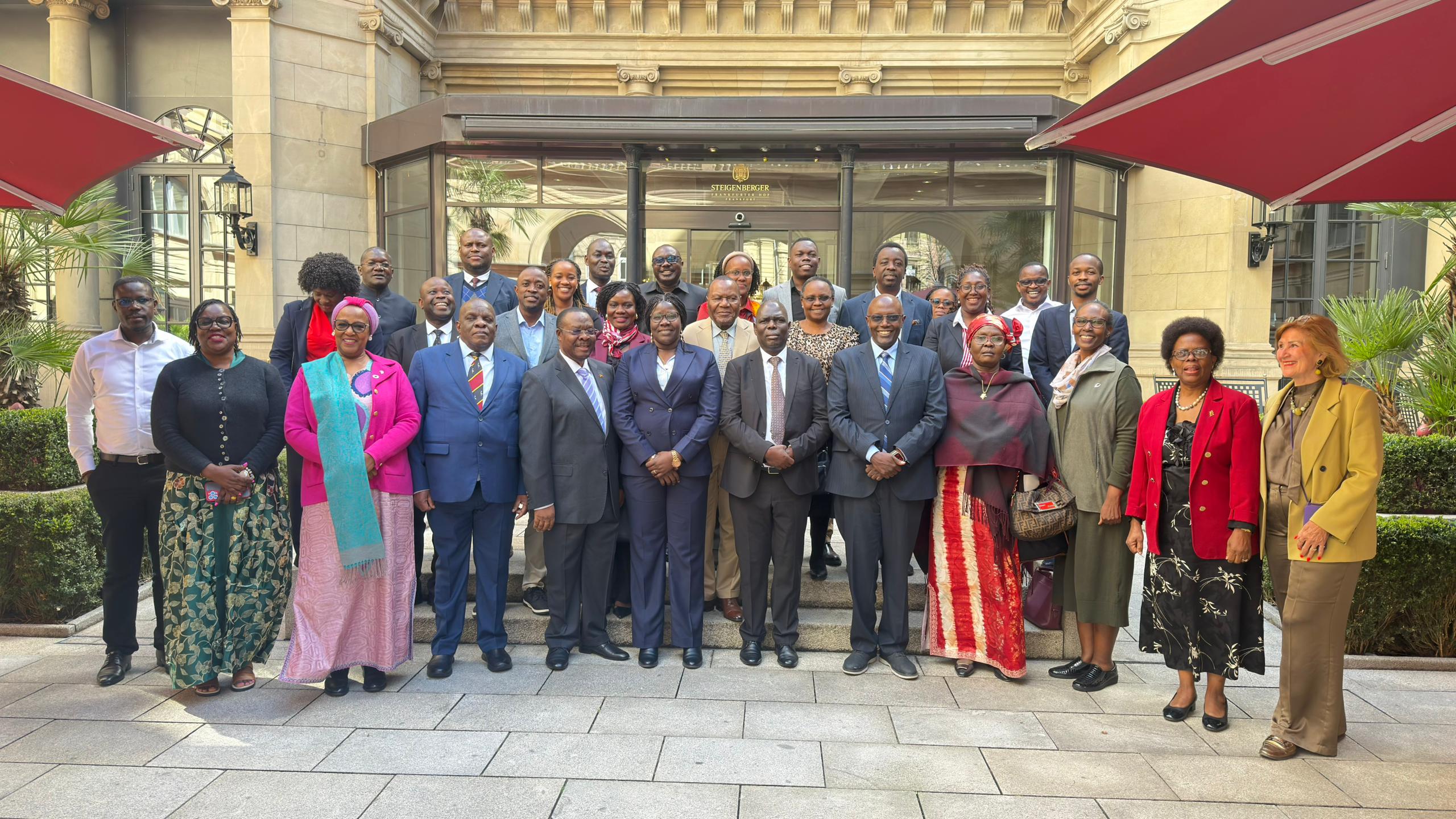
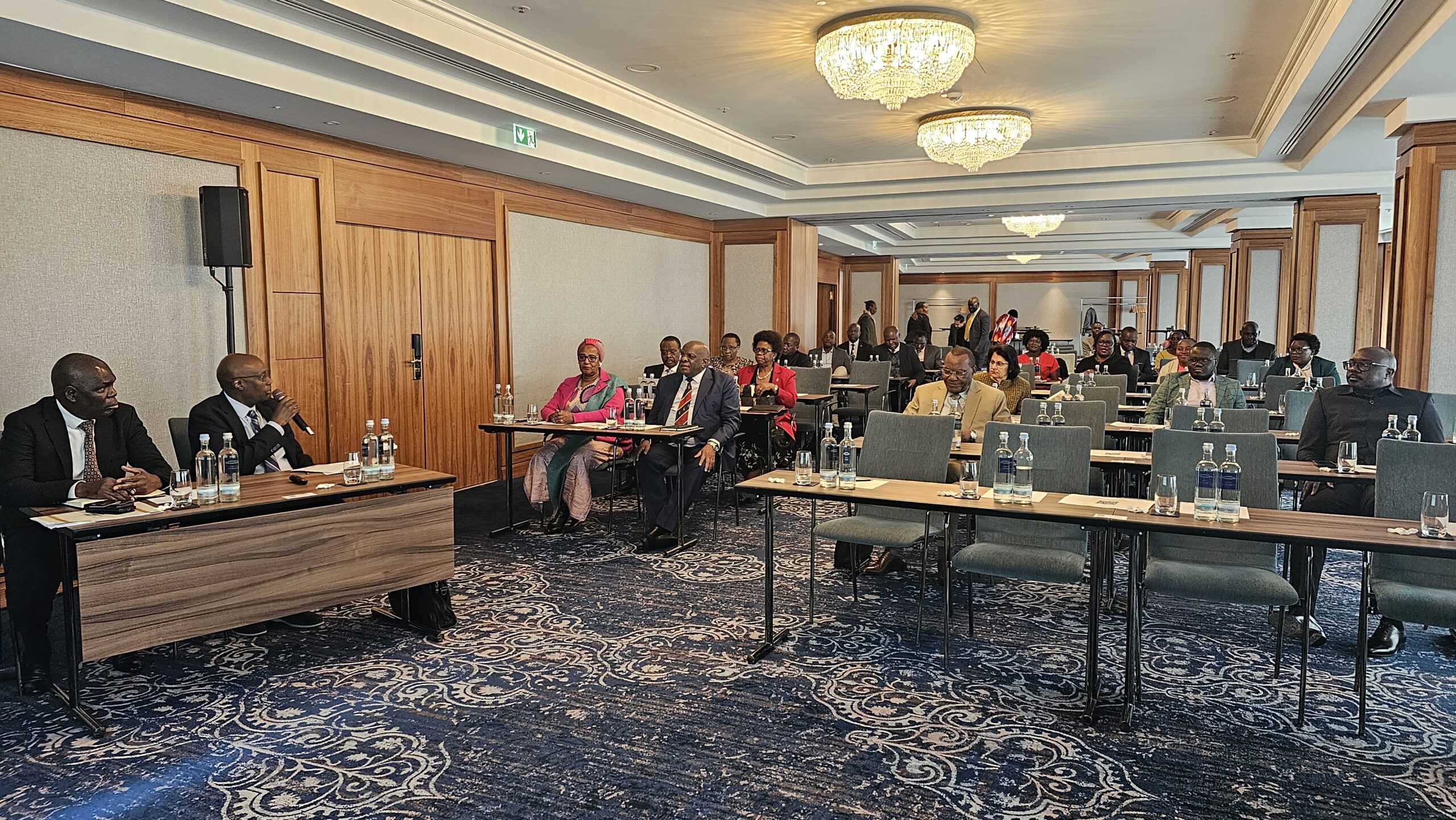
This directive was delivered by Permanent Secretary at the Ministry of Foreign Affairs, Mr Vincent Waiswa Bagiire, during a high-level mid-term review retreat for Uganda’s 13 Missions in Europe and the Americas, held from March 29 to April 3 in Frankfurt.
The retreat, convened in partnership with the Ministry of Finance, Planning and Economic Development, focused on the theme: “Unlocking Africa’s Trade and Investment Potential through Economic and Commercial Diplomacy (ECD).”
From Protocol to Performance
Bagiire signaled a clear policy recalibration, emphasizing that Uganda’s diplomatic footprint must now translate into tangible economic gains back home.
“Uganda is at a moment where diplomacy must be felt not only in communiqués and meetings, but in factories opened, tourists received, exports increased, and jobs created,” he stressed.
In the 2025/26 financial year, Uganda allocated UGX 113.25 billion to 34 missions abroad. Going forward, however, funding will be tied to measurable outputs—placing embassies under heightened scrutiny to deliver real economic value.
ECD Strategy Anchors Shift
The shift is anchored in Uganda’s Economic and Commercial Diplomacy Strategy (FY 2025/26–2029/30), launched in Gulu in August 2025, which redefines embassies as frontline engines of economic growth.
Under the strategy, missions are tasked with actively driving:

- Export promotion
- Foreign Direct Investment (FDI) attraction
- Tourism marketing
- Science, technology, and innovation partnerships
- Climate finance mobilization
The framework aligns with Uganda Vision 2040, the Fourth National Development Plan (NDP IV), and the government’s Tenfold Growth Strategy.
Diplomats as Economic Agents
Addressing Heads of Mission, Bagiire underscored the strategic importance of postings in advanced economies:
“You are posted in some of the world’s most influential markets, financial centres, innovation hubs, and tourism source countries. That means your work matters directly to the farmer in Kabale, the coffee exporter in Masaka, the tour operator in Kasese, the miner in Karamoja, and the young innovator in Kampala.”
He urged diplomats to become “more intentional, commercially alert, and practical” in executing the four pillars of ECD.
Mixed Progress, Rising Expectations
The review was informed by key economic indicators pointing to both progress and urgency:
- Uganda attracted US$3.5 billion in FDI in 2025
- Tourism earnings reached US$1.5 billion from 1.64 million visitors
Despite these gains, officials acknowledged the need for more aggressive and coordinated diplomatic engagement to unlock higher growth.
Key Outcomes of Frankfurt Retreat
The retreat produced a set of institutional reforms aimed at strengthening accountability and delivery, including:
- A standardized ECD reporting framework with clear indicators and timelines
- A comprehensive progress and impact assessment system
- A structured capacity-building program for diplomats
- Harmonised ECD work plans for FY 2026/27 aligned with national priorities
Performance-Based Funding Model
According to Richard Kabonero, Head of the Economic and Commercial Diplomacy Hub, future funding allocations will be determined through a data-driven evaluation model.
This includes a tiered decision matrix assessing missions based on:
- Previous ECD performance
- Delivery capacity
- Strategic and political relevance
- Economic potential
- Diaspora engagement
“This approach ensures that funding supports Missions that drive maximum economic returns and advance the country’s interests,” Kabonero noted.
A New Era of Ugandan Diplomacy
The reforms mark a significant evolution in Uganda’s foreign policy—one that seeks to convert diplomatic presence into measurable economic impact.
With embassies now positioned as engines of trade, investment, and tourism, Kampala is betting that a sharper, performance-driven diplomatic corps will accelerate its ambitions for tenfold economic growth.