
Analysis
OPINION: Education and the NRM Vision; Building Human Capital for a Prosperous Uganda

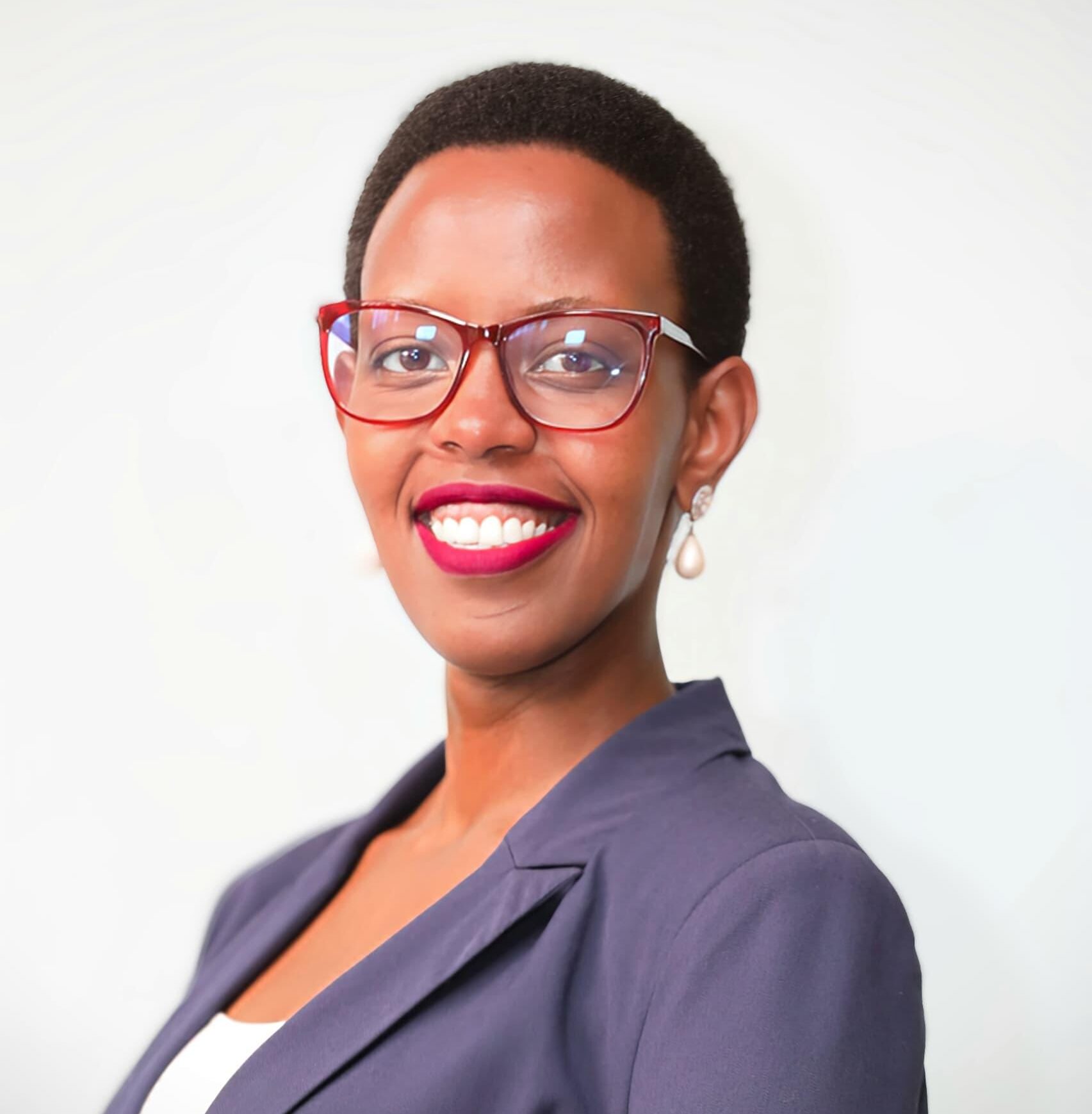
By Joellah Anshemeza
Many years before independence, Ugandans didn’t have formal education, but elders played a very big role in educating the younger generation through the use of logic, natural wisdom, and storytelling around the fire.
For example, people could determine the exact hour by merely looking at the sky or the moon. Riddles were the order of the day, as they relayed messages that helped everyone learn different things — especially ways of life and how to relate with the community.
Colonial and Missionary Influence
Prior to independence, Uganda’s education system was shaped largely by colonial rule and missionary influence. It was designed not for national development, but to produce clerks, interpreters, and low-level staff to serve European and Asian administrators.
Christian missionaries were the main providers of education, focusing on religious and administrative needs. Their curricula emphasized obedience and service rather than nurturing independent leadership.
The colonial government invested little in mass education, preferring to maintain a pool of semi-skilled workers for the colonial economy. Access to education was restricted and costly.
While missionary efforts expanded primary education, many families could not afford fees, books, or uniforms, leading to high dropout rates. Secondary and higher education were reserved mainly for elite families or those sponsored by missions or the government.
Education at Independence
By independence, Uganda had very few post-primary institutions. Makerere University College, established in 1922 and upgraded in 1949, was the only university-level institution serving students from across East Africa.

A handful of teacher training colleges produced mainly Grade II teachers, while elite schools like King’s College Budo, Gayaza High School, and St. Mary’s Kisubi catered to children of the privileged. Girls’ education lagged significantly behind.
Education remained narrow in reach and uneven in quality. Most rural children never went beyond primary school, and secondary schools were concentrated in central Uganda and near mission stations.
By 1962, fewer than 10% of Ugandans had completed primary school, and less than 1% had gone to university. The system also lacked national ownership — examinations were set abroad by Cambridge or London institutions, curricula were designed by missions and colonial officials, and no national regulatory bodies such as UNEB or NCHE existed.
Post-Independence Reforms
When Uganda attained independence in October 1962, it faced a critical shortage of qualified local personnel. For years, education had prepared Ugandans mainly as subordinates to European and Asian administrators, leaving few trained to manage institutions or lead national development.
In response, the education system underwent a strategic restructuring aimed at dismantling colonial legacies and fostering confidence among Ugandan learners. Central to this transformation were the philosophies of creating an African identity and developing the African personality.
Key reforms included extending the primary education cycle from six to seven years, abolishing the junior secondary level, phasing out Grade II teacher training colleges, and upgrading existing teachers to Grade III status — initiatives designed to align education with national aspirations and cultivate a generation of competent, self-assured Ugandan professionals.
To guide this transition, the Castle Commission of 1963 was established, producing a landmark report that led to the merger of primary and junior secondary schools, expansion of girls’ education, and an emphasis on improving quality.
The 1987 Education Policy Review Commission
Decades later, the Senteza Kajubi Commission of 1987, also known as the Education Policy Review Commission (EPRC), undertook another comprehensive review. It recommended Universal Primary Education (UPE) as a pathway to equitable access.
Acting on this advice, the NRM government introduced UPE in 1997 — a policy that drastically increased primary school enrollment and placed greater emphasis on inclusive, affordable education for all.
A Personal Reflection
The impact of these reforms is not merely statistical but deeply personal.
Having lost my father in 2002, my family’s survival and education fell squarely on the shoulders of my mother — a young widow who had only completed Senior Six before marriage. Left with no stable source of income and several young children to raise, how else would she have managed to educate us without the UPE programme?
This lived reality emphasizes the transformative role of Uganda’s education reforms and programmes in shaping opportunities for ordinary families and securing the nation’s future.
Education and the 2024 Census Findings
The National Population and Housing Census (NPHC) 2024 highlights the centrality of education in Uganda’s development agenda.
As a tool for human capacity development, education is vital for building skills, improving livelihoods, and raising awareness on key national issues. The education system in Uganda serves all age groups — from early childhood to higher education and technical training — thereby fostering lifelong learning and sustainable growth.
Early Childhood Education (ECE)
ECE for ages 3–5 is vital for cognitive, emotional, and social growth. According to the 2024 NPHC, 41.6% of children in this age group attended ECE, with slightly higher female (42.6%) than male (40.6%) participation.
Kampala leads at 65.7%, while Karamoja trails at 8.3%, highlighting regional disparities that need policy intervention.
The Ministry of Education and Sports, under the Early Childhood Care and Education (ECCE) Policy, aims to expand access and improve the quality of pre-primary education, ensuring every child receives a strong educational foundation.
Primary and Secondary Education
Uganda has made commendable strides in ensuring access to education. In 2024, 75.2% of children of primary school-going age attended school, while 62.0% of secondary school-age children were enrolled.
A total of 8.9 million learners were in primary school, with a relatively balanced gender distribution (4.49 million males and 4.43 million females).
Notably, only 5.83 million learners were within the official primary school age (6–12 years), indicating significant age-grade distortions.
Uganda had 4.57 million learners in secondary schools, with females (2.54 million) surpassing males (2.03 million) in total attendance. Of these, 2.19 million were within the official age group (13–18 years).
While access has improved, regional disparities remain stark. Buganda leads in both primary and secondary attendance, while Sebei records the lowest figures, necessitating targeted interventions.
Literacy and Attainment
The national literacy rate in 2024 stood at 74.0%, up from 43% in 1986, a significant milestone.
Kampala had the highest literacy rate (93.9%), while Karamoja remained lowest at 25.4%. Literacy among males (76.6%) was higher than females (71.6%), highlighting ongoing gender disparities.
Regarding educational attainment, 20.2% of Ugandans aged 10 and above had no formal education, 39.4% had attained some primary education, and only 5.7% had reached post-secondary level.
These figures highlight both progress and the need for further expansion in post-primary opportunities.
NRM Manifesto 2026–2031: The Next Phase
The NRM Manifesto 2026–2031 outlines an ambitious roadmap for the future of education in Uganda — centered around equity, access, quality, and relevance.
A cornerstone of the manifesto is the full implementation of free education across government primary, secondary, and tertiary institutions.
Building on the success of UPE (1997) and USE (2007), the government pledges to eliminate hidden costs that have excluded children from poor families, especially in urban schools where utility charges have been abused.
Significant investments have expanded school infrastructure:
-
12,549 government-aided primary schools (up from 6,880 in 1997)
-
1,594 government-aided secondary schools (with 258 new seed schools underway)
-
189 tertiary institutions and 10 public universities
The manifesto also promises to construct staff housing, rehabilitate traditional secondary schools and special needs schools, expand public university infrastructure, and improve quality and accountability.
Teacher Recruitment and Digitisation
To ensure quality education delivery, the government has recruited over 147,000 primary teachers, reduced the pupil-teacher ratio to 64:1 (targeting 53:1), and distributed 2.45 million science textbooks and 39,000 teachers’ guides.
Digitisation efforts such as the Teacher Effectiveness and Learner Achievement (TELA) system and e-Inspection are enhancing accountability, improving classroom attendance from 27% to 80%, and expanding inspection coverage to 86%.
Skills-Based and Higher Education
Uganda’s shift toward skills-based education is evident in the aggressive promotion of Technical and Vocational Education and Training (TVET).
With 189 TVET institutions and 22,763 enrolled learners, the government aims to have a TVET school in every constituency.
Six institutions have been upgraded to centers of excellence, and over 338,000 artisans have been formally certified.
In addition, Presidential Zonal Industrial Hubs have trained over 82,000 youth, equipping them with practical, market-relevant skills.
Higher education continues to expand with 78 universities (10 public) and enrolment rising to 220,800 students.
To support learners from poor backgrounds, the government sponsors 4,000 students annually, and over 16,000 students have benefited from the Students’ Loan Scheme.
Bunyoro and Busoga universities are being operationalised, and the National Institute for Teacher Education (UNITE) aims to upgrade teacher qualifications to degree level.
The next phase of Uganda’s education strategy is not only about expanding access but also ensuring quality, relevance, and inclusion — preparing learners not just for jobs but for meaningful participation in the country’s socio-economic transformation.
By investing in the education of every child, youth, and adult, Uganda is laying a strong foundation for a resilient, inclusive, and prosperous future.
Ms Joellah Anshemeza is a Communications Officer, Government Citizens Interaction Centre