Analysis
Who Gets In and Why: Power Play Behind Museveni Next Cabinet

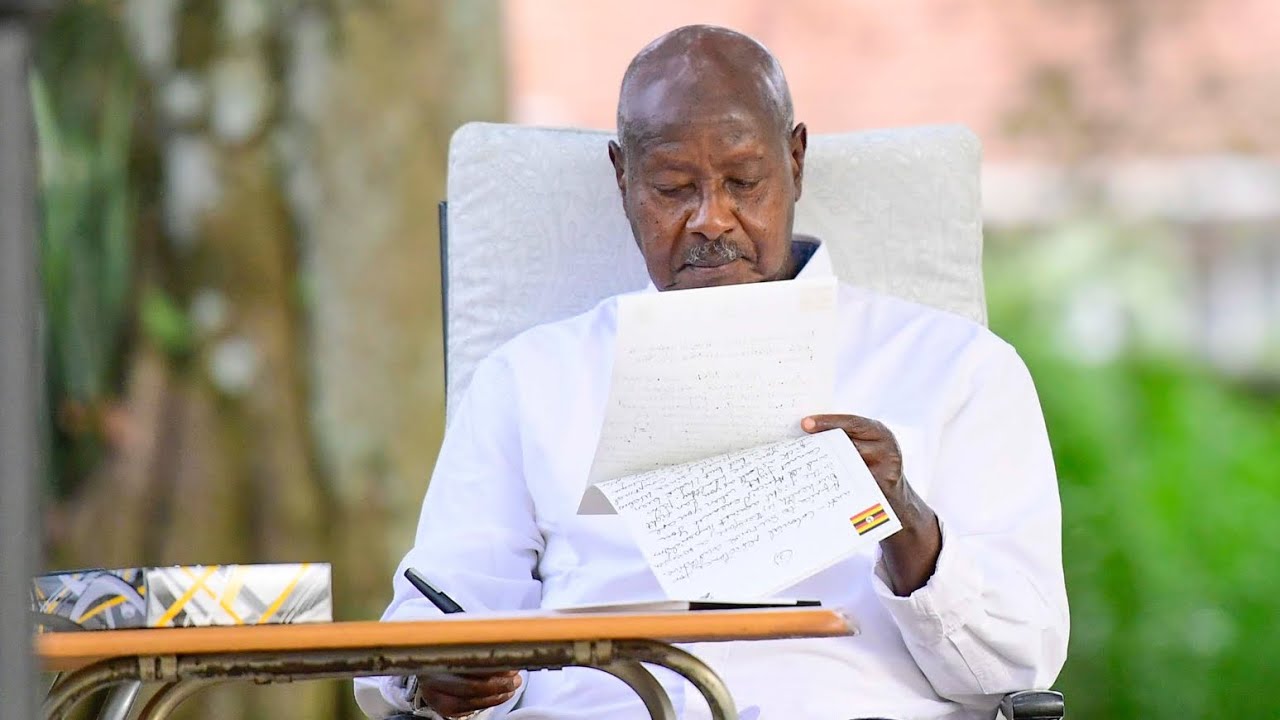
With Uganda’s 2026 general election cycle nearing its conclusion, an intense behind-the-scenes contest has begun as lawmakers and political actors position themselves for cabinet appointments in President Yoweri Kaguta Museveni’s seventh term.
President Museveni, who is expected to be sworn in this May, traditionally unveils his new cabinet shortly after taking the oath. As has become routine at the end of every election cycle, lobbying by Members of Parliament and senior party figures is already in full swing, driven by the knowledge that cabinet formation is as much a political exercise as it is an administrative one.
“For politicians, one of the ways of maintaining relevance is to seek to consolidate your position. They know being in cabinet is one way. The resurgence in Buganda is going to make the calculus more intense,” a source high up the political corridors of power intimated to this publication.
Political intelligence sources indicate that Museveni relies heavily on confidential vetting reports compiled by state and party structures. These assessments examine loyalty, performance, regional balance, sectarian considerations, and political usefulness within the ruling National Resistance Movement (NRM) party.
Regional and religious balancing remains a persistent undercurrent in cabinet formation. Political pundits argue that certain offices, particularly the post of Vice President, have historically followed informal conventions, with the position often perceived as reserved for Catholics, an unwritten rule meant to stabilize Uganda’s delicate religious and regional equilibrium.
Another key factor in Museveni’s ‘kibaro’ is electoral legitimacy. Lawmakers who successfully defended or won parliamentary seats are viewed as possessing an active constituency base, a political asset the President values in an era of increasingly competitive elections. However, electoral success is not the sole gateway to cabinet. Long-serving NRM cadres who may have lost parliamentary races, or did not contest at all, are still eligible for consideration, especially if they are regarded as ideological loyalists or strategic mobilizers.
As lobbying intensifies, attention is shifting northwards to Gulu City, which is expected to become a political pilgrimage site in the coming weeks. Aspirants are reportedly preparing treks to meet General Salim Saleh, the President’s younger brother and a powerful behind-the-scenes broker within Uganda’s power structure. Saleh is widely believed to play a critical role in “baptising” or endorsing potential leaders, with those receiving his recommendation often finding their way into cabinet.
Credible sources say this cycle is also expected to bear the growing imprint of the Uganda People’s Defence Forces (UPDF) leadership. The Chief of Defence Forces, General Muhoozi Kainerugaba, President Museveni’s son, has increasingly asserted his political influence. Having openly expressed ambitions of one day leading Uganda, pundits argue that Muhoozi will wield significant influence over a sizeable number of cabinet appointments this time round.

“Gen Muhoozi is a force to reckon with in the leadership super structure. The last cabinet reshuffle saw members of the MK team added, a trend that will only go up,” sources revealed.
Beyond his military role, Muhoozi leads the Patriotic League of Uganda (PLU), a pressure group that actively participated in mobilization during the just-concluded presidential elections. The PLU’s involvement in campaign structures has elevated its standing within ruling-party power circles, further reinforcing Muhoozi’s leverage in post-election decision-making.
The source added, “The inclusion of PLU in the campaign process was not a mistake. It has created a bargaining chip for consideration.”
The convergence of intelligence vetting, factional lobbying, regional balancing, and emerging power centres is shaping what insiders describe as one of the most consequential cabinet formations in recent years—one that may offer clues about succession dynamics and the evolving architecture of power in Museveni’s Uganda.
Sources say Buganda politicians will be seeking to leverage the resurgence of Museveni’s political gains from the elections that saw the NRM recapture seats it lost to the opposition in the 2021 elections.