News
Museveni to Egypt Army Delegation: Nile Basin Is About Power, Not Treaties

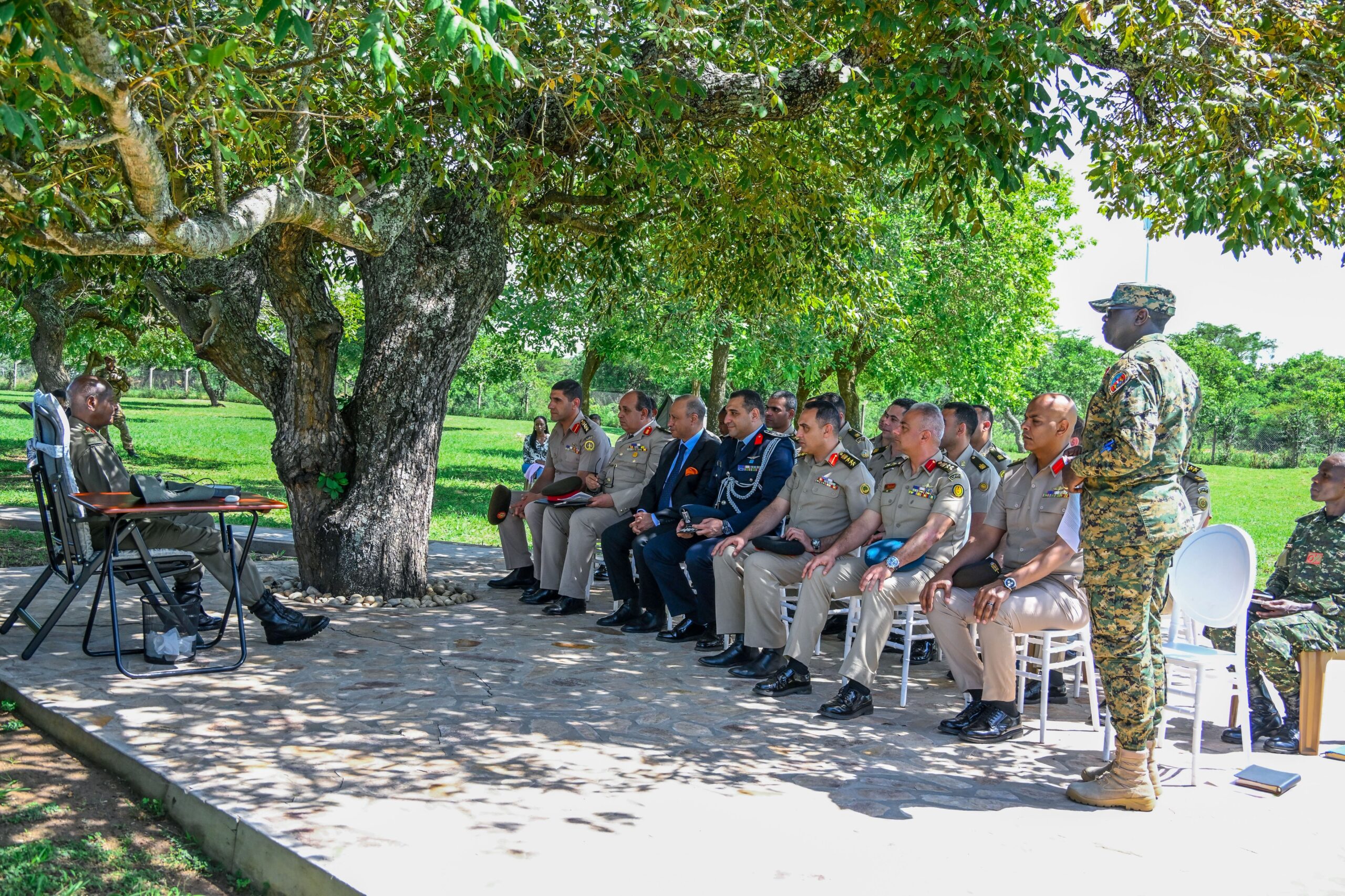
President Yoweri Kaguta Museveni has told a delegation from the Egyptian Armed Forces Staff and Command College that the long-standing tensions surrounding the Nile Basin are fundamentally driven by underdevelopment rather than colonial-era agreements.
While delivering a lecture at the National Leadership Institute Kyankwanzi (NALI), the Ugandan leader emphasized that the real challenge facing Nile Basin countries lies in limited electrification, low levels of industrialisation, and the growing impact of climate change.
“The solution is electrification and industrialisation so that we protect the environment and sustainably manage our water resources,” Museveni noted, underscoring Uganda’s long-held position on regional resource management.

He argued that debates focusing solely on historical treaties fail to address the structural bottlenecks that continue to constrain equitable utilization of the Nile waters, calling instead for a development-centered approach anchored in energy access and economic transformation.

Museveni also used the engagement to highlight Uganda’s ideological trajectory, pointing to three core missions that have shaped the country’s governance philosophy: the rejection of identity-based politics in favour of nationalism and Pan-Africanism, the pursuit of socio-economic transformation, and the advancement of African unity.
The visiting Egyptian delegation, currently on a study tour in Uganda, also traveled to the Source of the Nile, where they expressed appreciation for the country’s natural beauty and strategic significance within the Nile Basin.
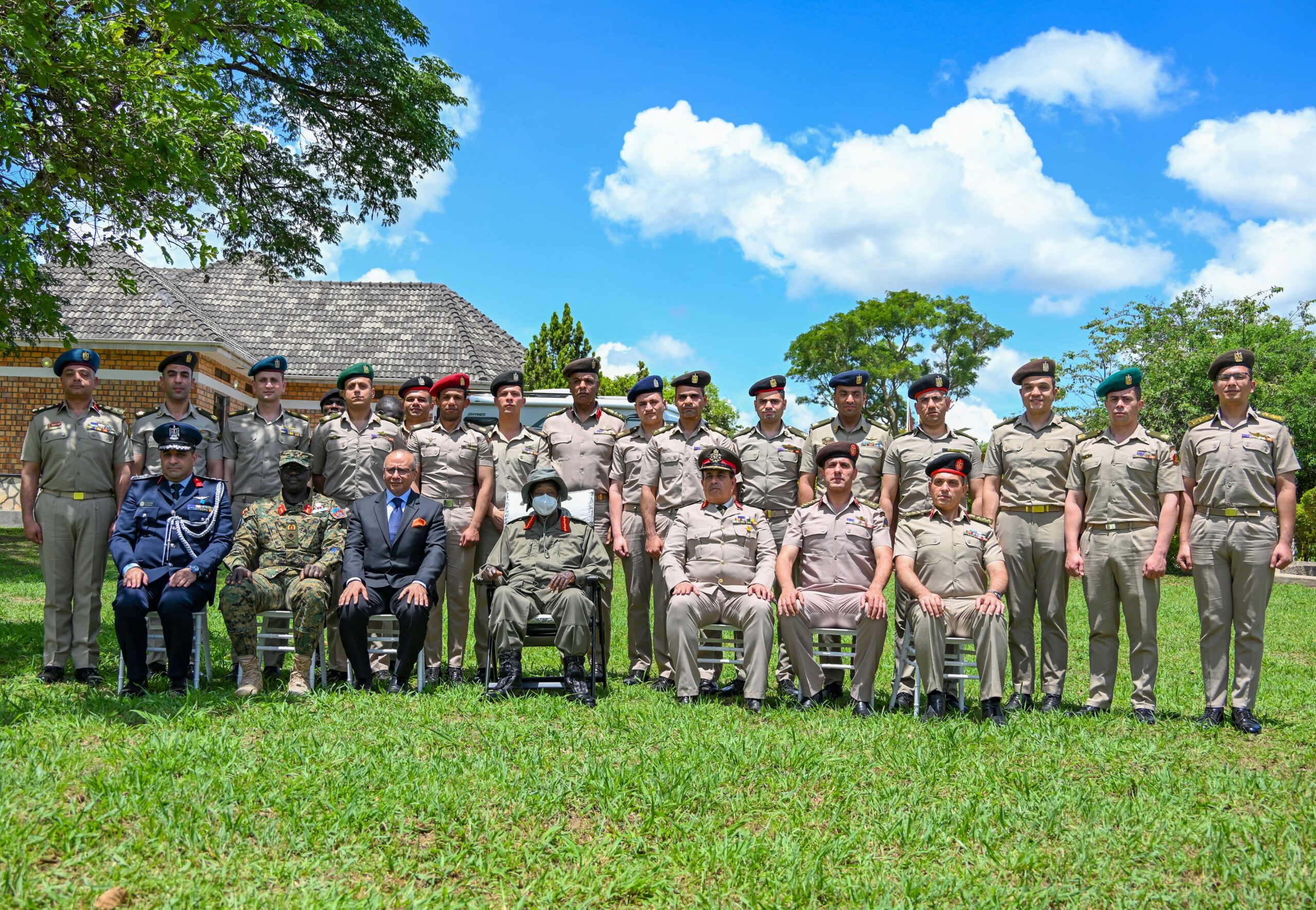
Museveni welcomed the delegation to Uganda and wished them a productive stay, reaffirming Kampala’s commitment to regional dialogue and cooperation on shared resources.