News
FULL LIST: Trump Raises Tariffs on Ugandan Exports to 15% in New Global Trade Crackdown

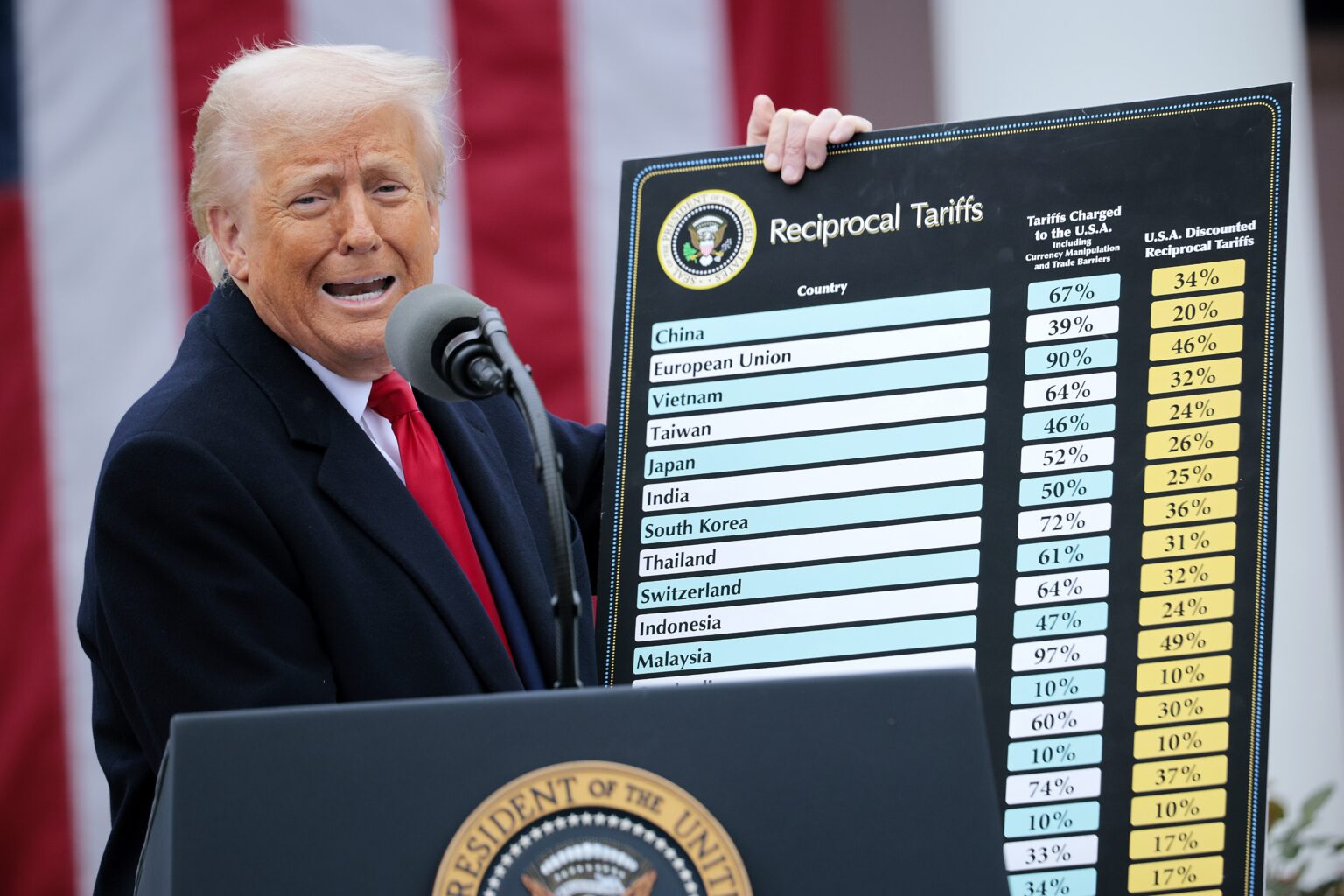
U.S. President Donald Trump has announced a new wave of sweeping tariff increases on dozens of countries as part of his latest efforts to “rebalance the global economy”, with Uganda among the African nations hit with higher trade duties.
According to a presidential executive order issued Wednesday, the tariff on Ugandan exports to the U.S. has been increased from 10% to 15%, part of a wider crackdown on what the Trump administration describes as unfair trade practices and insufficient economic alignment with American interests.
The revised trade policy comes just days before a Friday deadline for finalizing several bilateral trade deals. Trump’s order imposes a wide range of import duties, including 35% on Canadian goods, 50% for Brazil, 25% for India, 20% for Taiwan, and 39% for Switzerland, with other countries facing similar increases.
Nations not specifically named will fall under a new 10% blanket import tax, a rate Trump had previously suggested could go even higher.
Targeting Countries Not Aligned with U.S. Interests
In the order, Trump accused many of the targeted countries of either failing to negotiate or offering terms that “do not sufficiently address imbalances” in trade.
He also cited a lack of alignment on broader economic and national security issues as grounds for the new tariffs.
“Some trading partners, despite having engaged in negotiations, have offered terms that, in my judgment, do not sufficiently address imbalances in our trading relationship or have failed to align sufficiently with the United States on economic and national-security matters,” the order reads.
Though Uganda had not been in active trade negotiations with the U.S., it was nonetheless included in the list of nations now facing steeper import levies.

African Countries Among Broadly Affected Nations
In addition to Uganda, several African nations saw tariffs raised to 15% or higher, including Ghana, Cameroon, Nigeria, South Africa (30%), and Algeria (30%).
The broad inclusion of African economies suggests a more aggressive and unilateral approach by Washington, cutting across regions that have historically benefitted from trade frameworks like the African Growth and Opportunity Act (AGOA).
Economists warn that these moves could jeopardize preferential market access for African exports, especially for countries like Uganda whose exports to the U.S. include coffee, textiles, horticultural products, and processed foods.
Global and Local Backlash Expected
Analysts say the sweeping new tariffs could spark global retaliation, disrupt supply chains, and further fuel global inflation. Already, trade partners are evaluating their responses, with some expected to impose reciprocal measures or escalate disputes at the World Trade Organization (WTO).
In Uganda, officials have yet to issue a formal response, but President Yoweri Museveni previously downplayed the impact of U.S. tariffs, saying Uganda’s future lies in African regional trade and Pan-Africanism, not dependency on Western markets.
“Don’t involve me in issues to do with Trump,” Museveni said recently. “That I should plead with Trump? I don’t have that time… You have Africa—work on Africa.”
What’s Next?
The tariffs take effect immediately for most goods, with limited exceptions for shipments already en route to the U.S. Countries listed in the executive order may still attempt to renegotiate terms, though Trump’s tone and timeline suggest little appetite for compromise before the November election season intensifies.
For Uganda and other mid-sized economies, the challenge now will be to diversify export markets, strengthen regional trade under the African Continental Free Trade Area (AfCFTA), and re-evaluate their place in an increasingly fragmented global trade system.
Below is a list of the countries and the reciprocal tariffs they face, plus a searchable table:
-
Afghanistan – 15%
-
Algeria – 30%
-
Angola – 15%
-
Bangladesh – 20%
-
Bolivia – 15%
-
Bosnia and Herzegovina – 30%
-
Botswana – 15%
-
Brazil – 10%
-
Brunei – 25%
-
Cambodia – 19%
-
Cameroon – 15%
-
Chad – 15%
-
Costa Rica – 15%
-
Côte d`Ivoire – 15%
-
Democratic Republic of the Congo – 15%
-
Ecuador – 15%
-
Equatorial Guinea – 15%
-
European Union: Goods with Column 1 Duty Rate > 15%* – 0%
-
European Union: Goods with Column 1 Duty Rate < 15%** – 15%
-
Falkland Islands – 10%
-
Fiji – 15%
-
Ghana – 15%
-
Guyana – 15%
-
Iceland – 15%
-
India – 25%
-
Indonesia – 19%
-
Iraq – 35%
-
Israel – 15%
-
Japan – 15%
-
Jordan – 15%
-
Kazakhstan – 25%
-
Laos – 40%
-
Lesotho – 15%
-
Libya – 30%
-
Liechtenstein – 15%
-
Madagascar – 15%
-
Malawi – 15%
-
Malaysia – 19%
-
Mauritius – 15%
-
Moldova – 25%
-
Mozambique – 15%
-
Myanmar (Burma) – 40%
-
Namibia – 15%
-
Nauru – 15%
-
New Zealand – 15%
-
Nicaragua – 18%
-
Nigeria – 15%
-
North Macedonia – 15%
-
Norway – 15%
-
Pakistan – 19%
-
Papua New Guinea – 15%
-
Philippines – 19%
-
Serbia – 35%
-
South Africa – 30%
-
South Korea – 15%
-
Sri Lanka – 20%
-
Switzerland – 39%
-
Syria – 41%
-
Taiwan – 20%
-
Thailand – 19%
-
Trinidad and Tobago – 15%
-
Tunisia– 25%
-
Turkey – 15%
-
Uganda – 15%
-
United Kingdom – 10%
-
Vanuatu – 15%
-
Venezuela – 15%
-
Vietnam – 20%
-
Zambia – 15%
-
Zimbabwe – 15%