
COMMENTARY: Can AAYC Help Uganda’s Youth Crisis?
February 11, 2026
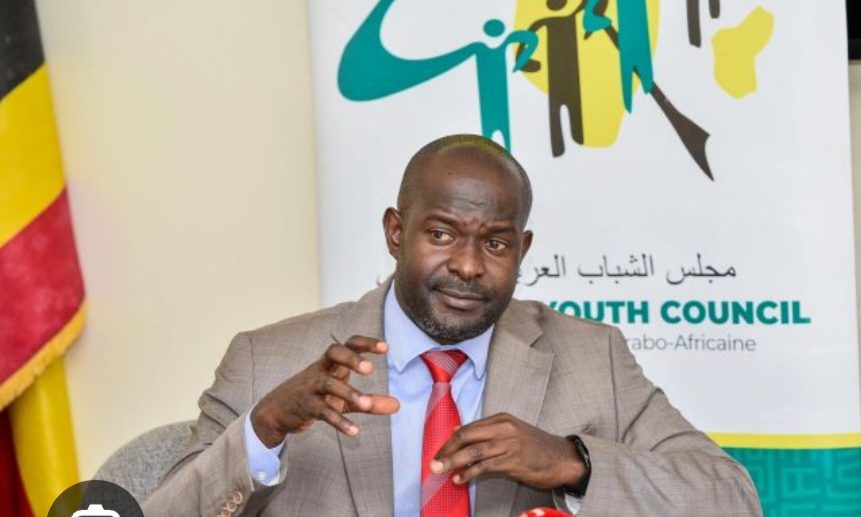
By Hon. Abbas Agaba Mugisha
Uganda today stands at a crossroads with one of the youngest populations in the world, the country should be enjoying a demographic advantage. Instead, it is facing a growing youth crisis marked by unemployment, rising living costs, frustration, and political tension.
In this context, the presence of international youth bodies such as the Afro-Arab Youth Council (AAYC), whose headquarters are based in Kampala, raises an important question: are these institutions making a real difference in the lives of ordinary Ugandan youth, or are they only visible in boardrooms, conferences, and press statements?
The reality facing young Ugandans is sobering, each year, thousands graduate from universities and vocational institutions, yet the job market absorbs only a fraction of them. Many young people possess academic qualifications but lack practical skills demanded by employers.
At the same time, the cost of living continues to rise, rent, transport, food, and basic services have become increasingly expensive, placing heavy pressure on young people who are either unemployed or earning very little. This economic strain has fueled anger, hopelessness, and a sense of betrayal.
This frustration has increasingly found expression in protests, political activism, and social media outrage. While youth engagement in public affairs is healthy for any democracy, the growing tension also reflects deep feelings of exclusion. Many young people believe that decision-making spaces locally, nationally, and internationally are closed to them. They see institutions that claim to represent youth interests but feel no direct benefit from their presence.
It is within this environment that AAYC must be critically examined. As an international organization established to unite African and Arab youth around peace, cooperation, and development, AAYC holds significant potential. Uganda hosting its headquarters should be an advantage. It offers proximity, access, and opportunity. However, potential alone is not enough. For Ugandan youth, impact matters more than intention.
If AAYC is to play a meaningful role in addressing Uganda’s youth crisis, it must move beyond symbolic engagement. Conferences, workshops, and communiqués have value, but they cannot substitute for tangible outcomes. Young people are not only asking to be inspired; they are asking to be employed, trained, and included.
One practical area where AAYC can make a difference is youth exchange programs directly linked to employment and skills development. Uganda has a youthful workforce that can benefit from exposure to industries, technologies, and work cultures in both Africa and the Arab world. Structured exchange programs, internships, and apprenticeships tied to real labor market needs would give young Ugandans practical experience and improve their competitiveness. These should not be limited to elites or politically connected youth but opened transparently to those with skills and ambition.
AAYC can also play a key role in connecting Ugandan youth to Afro-Arab trade, technology, and scholarship opportunities. The Arab world offers growing markets in construction, agriculture, renewable energy, health, and digital services. Africa, including Uganda, offers innovation, labor, and entrepreneurial energy. AAYC is well placed to act as a bridge, helping young entrepreneurs access regional markets, technology hubs, and funding opportunities. Scholarship programs and research partnerships could also help Ugandan youth gain skills in areas critical to modern economies.
Equally important is AAYC’s potential role as a policy pressure group on youth unemployment. Uganda’s youth crisis is not only an economic issue; it is a policy issue. Decisions on education, labor, industrialization, and trade directly affect young people, yet youth voices are often weak in these discussions. AAYC should use its regional and international standing to advocate for youth-centered policies, both within Uganda and across Afro-Arab platforms. This includes pushing for investment in skills training, decent work, and inclusive economic growth.
However, for AAYC to succeed in this role, it must deliberately engage local youth structures, civil society, and grassroots organizations. An international headquarters based in Kampala should not feel distant to the youth in Wakiso, Gulu, Mbale, or Mbarara. Visibility, accessibility, and accountability are essential. Ugandan youth need to see, hear, and feel the work of AAYC in their daily lives.
Ultimately, the question is not whether AAYC has a mandate to help Uganda’s youth crisis, but whether it has the courage and commitment to act decisively. Uganda does not need another well-meaning institution that produces reports and resolutions. It needs partners that deliver opportunities, influence policy, and restore hope.
If AAYC chooses action over ceremony, inclusion over elitism, and results over rhetoric, it can become a powerful force for Uganda’s youth. If it does not, it risks being remembered as another missed opportunity in a country where young people can no longer afford to wait.
Agaba Mugisha is the Secretary General AAYC


UG Diplomat is an independent digital news and media platform dedicated to comprehensive coverage of national politics, regional diplomacy, international relations, geopolitics, defense, and business. Published under Currentarc Media Ltd, we provide authoritative analysis, breaking news, and in-depth reporting on the diplomatic and economic developments shaping East Africa and the global arena.
COMPANY
Contact Us
Privacy Policy
Terms and Conditions
CONTACT INFORMATION
info@ugdiplomat.com
+256774552385
Copyright © 2026 UG Diplomat -Product of CURRENTARC MEDIA