
Profiles
Bridging Two Continents: Samalie Kristensen’s Humanitarian Mission for East Africa’s Children

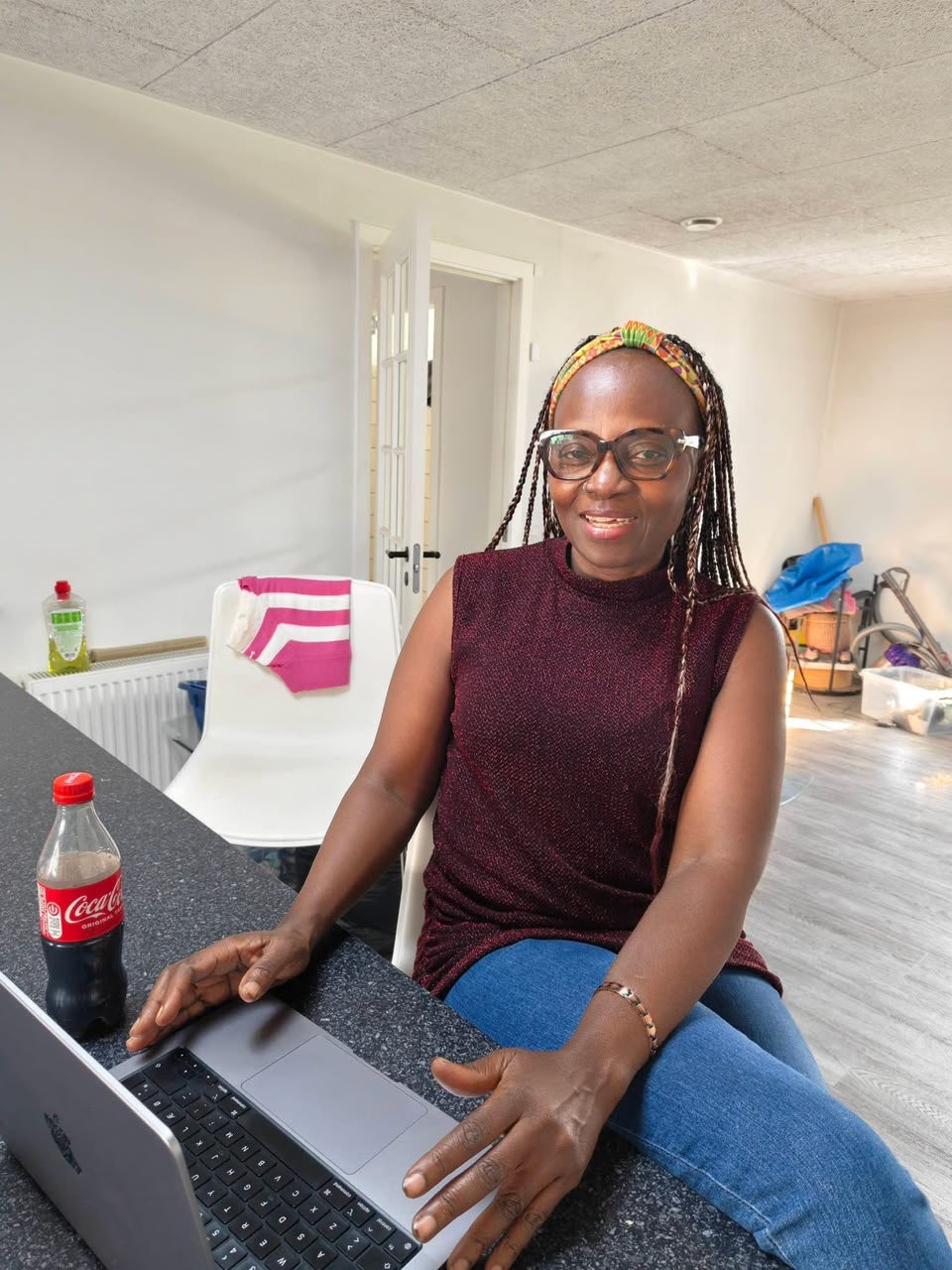
For Samalie Kristensen, distance has never meant disconnection.
Born and raised in Uganda before moving to Denmark to build her professional career, the 52-year-old social worker has maintained a strong connection to the communities that shaped her early life. Today, she combines her career in Denmark with a humanitarian commitment to vulnerable and orphaned children in East Africa.
A mother of four, social worker, gardener and humanitarian, Kristensen spends her working life supporting families within Denmark’s welfare system. Outside her professional responsibilities, however, she dedicates her time to advancing the welfare of children through her work with TDC Charity and Orphanage.
The organisation supports orphaned and vulnerable children in Uganda and the Democratic Republic of Congo, with operations centred in Kampala and extending to Bukavu in South Kivu.
For Kristensen, the work goes beyond providing immediate material assistance.
“Every child deserves to believe they have a future. My role is simply to help them hold on to that hope,” she says.
A connection to Uganda that endured
Kristensen’s journey began in Uganda, where she spent part of her early life and studied at Kololo High School in Kampala.
She later relocated to Denmark, where she established her professional life. Yet moving to Europe did not sever her relationship with Uganda or the wider East African community.
Instead, that connection became part of the motivation behind her humanitarian work.
Through TDC Charity and Orphanage, Kristensen contributes to efforts aimed at improving educational opportunities, healthcare and everyday support for children who have lost their parents.
The organisation provides shelter, nutritious meals, access to education and emotional support to children in need.
But its mission, as reflected in Kristensen’s involvement, is also about something less tangible: helping children regain a sense of dignity, belonging and direction.
Bridging two worlds
Kristensen’s life today is defined by the connection between two very different environments.
In Denmark, she works within a structured social welfare system, supporting families as part of her professional career. In East Africa, her humanitarian work brings her closer to children facing circumstances shaped by poverty, loss and vulnerability.
The contrast has not weakened her sense of responsibility to the communities she left behind.
Instead, it has given her a way to draw on experiences from both worlds.
Her story illustrates how members of the African diaspora can remain engaged with communities in their countries of origin, using their time, professional experience and personal networks to contribute to social development.
A life beyond humanitarian work
Away from her professional and humanitarian responsibilities, Kristensen leads a quieter life in Denmark.
She enjoys gardening and maintains a backyard beehive. She also practises digital marketing, loves singing and takes long walks with her dog, Rex.
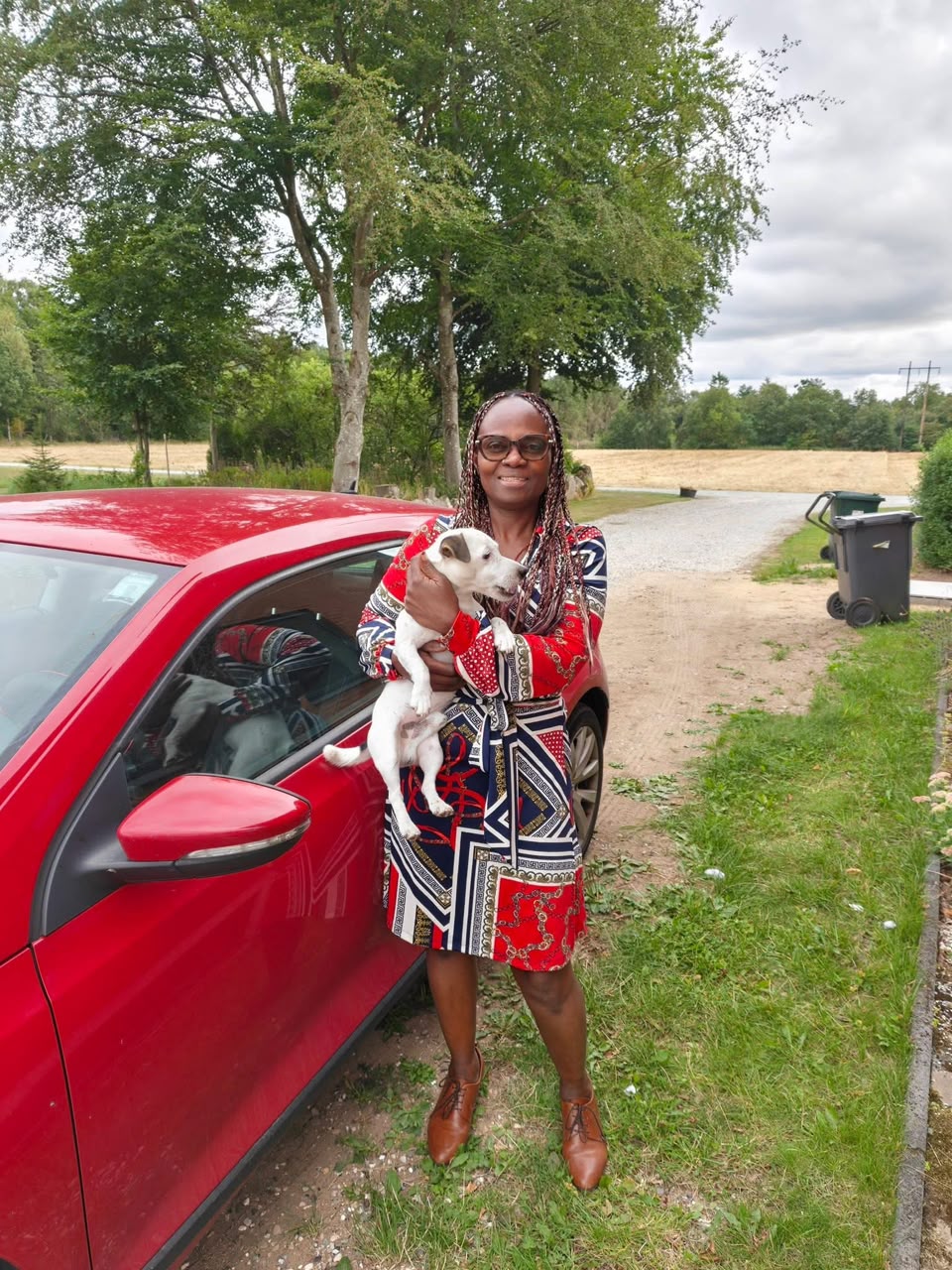
These everyday interests offer a glimpse of the person behind the humanitarian work—a woman balancing family, career, personal interests and a cause that continues to connect her to Uganda and the wider region.
Her four children and professional responsibilities remain central to her life, but so does the belief that vulnerable children should not be defined by the circumstances into which they were born.
Turning distance into impact
Kristensen’s story is ultimately about maintaining purpose across borders.
From her early years in Kampala to her professional life in Denmark, and through her humanitarian engagement with children in Uganda and the Democratic Republic of Congo, she has built a life that spans continents.
Her work with TDC Charity and Orphanage reflects a simple conviction: that support for vulnerable children should not stop at the boundaries of geography.
For Kristensen, the thousands of kilometres between Denmark and East Africa are not an obstacle to making a difference.
They are simply part of the journey.
And through her continued commitment to vulnerable children, she is helping keep alive the possibility that those children, too, can look beyond their present circumstances and imagine a future.
UG Diplomat | Bridging Borders