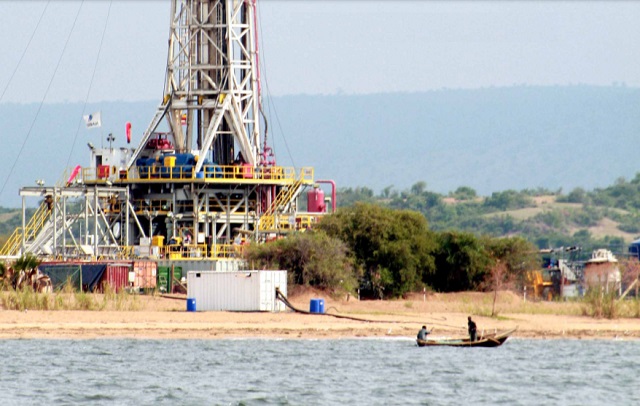
President Yoweri Museveni has called on the people of Bunyoro, particularly residents of oil-producing districts like Buliisa, to position themselves to benefit directly from Uganda’s petroleum sector by embracing government wealth-creation initiatives and building productive enterprises.
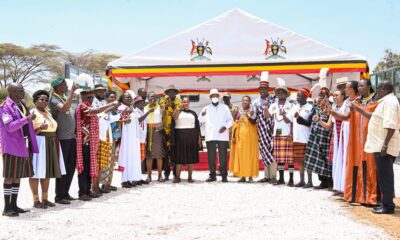
Speaking during a campaign rally, the President warned that natural resource wealth alone does not automatically translate into prosperity. He noted that many of the world’s oil-rich countries were not necessarily the richest nations, but became successful because they invested their revenues wisely and focused on empowering citizens to create wealth.
Museveni emphasized that while major oil and tourism roads are transforming the region’s infrastructure, the “real benefit” for households will come from work, innovation, and exploiting opportunities through programs such as the Parish Development Model (PDM), Emyooga, Operation Wealth Creation (OWC), and GROW, alongside the direct jobs the oil sector is creating.
He cautioned communities against the “misfortune of living near opportunity without benefiting from it,” urging local populations to acquire skills, form business groups, and produce goods and services that feed into the oil and gas value chain.
The President reiterated that Uganda’s petroleum development must serve both national and local interests, saying a clear plan is in place to ensure oil revenues strengthen long-term economic growth, build local capacity, and raise household incomes.
“Uganda will gain from oil, but only if we plan properly and our people participate actively in wealth creation,” he said, calling on citizens to embrace the NRM’s message of enterprise and economic transformation.
The remarks come as Uganda prepares for first oil production under the Lake Albert Development Project, involving the Tilenga and Kingfisher fields and the East African Crude Oil Pipeline (EACOP), a development expected to reshape livelihoods in the Albertine region.