Health
Uganda Tests AI-Powered Tool to Strengthen Community-Level Disease Surveillance

An artificial intelligence-powered health surveillance system being tested in Uganda has recorded a high level of agreement with Village Health Teams (VHTs) in interpreting febrile illnesses, as the Ministry of Health and partners prepare to enter the second phase of the pilot.
The AI-enabled febrile surveillance workflow is integrated into Uganda’s electronic Community Health Information System (eCHIS) and is being implemented in Mpigi, Moyo, Buikwe and Lira districts.
The initiative, implemented by the Ministry of Health and Medic, uses Audere’s HealthPulse AI Interpreter to provide artificial intelligence-assisted interpretation during community-level health service delivery.
After four months of implementation, stakeholders convened a user feedback and synthesis workshop to assess how frontline health workers were experiencing the technology and identify areas requiring improvement.

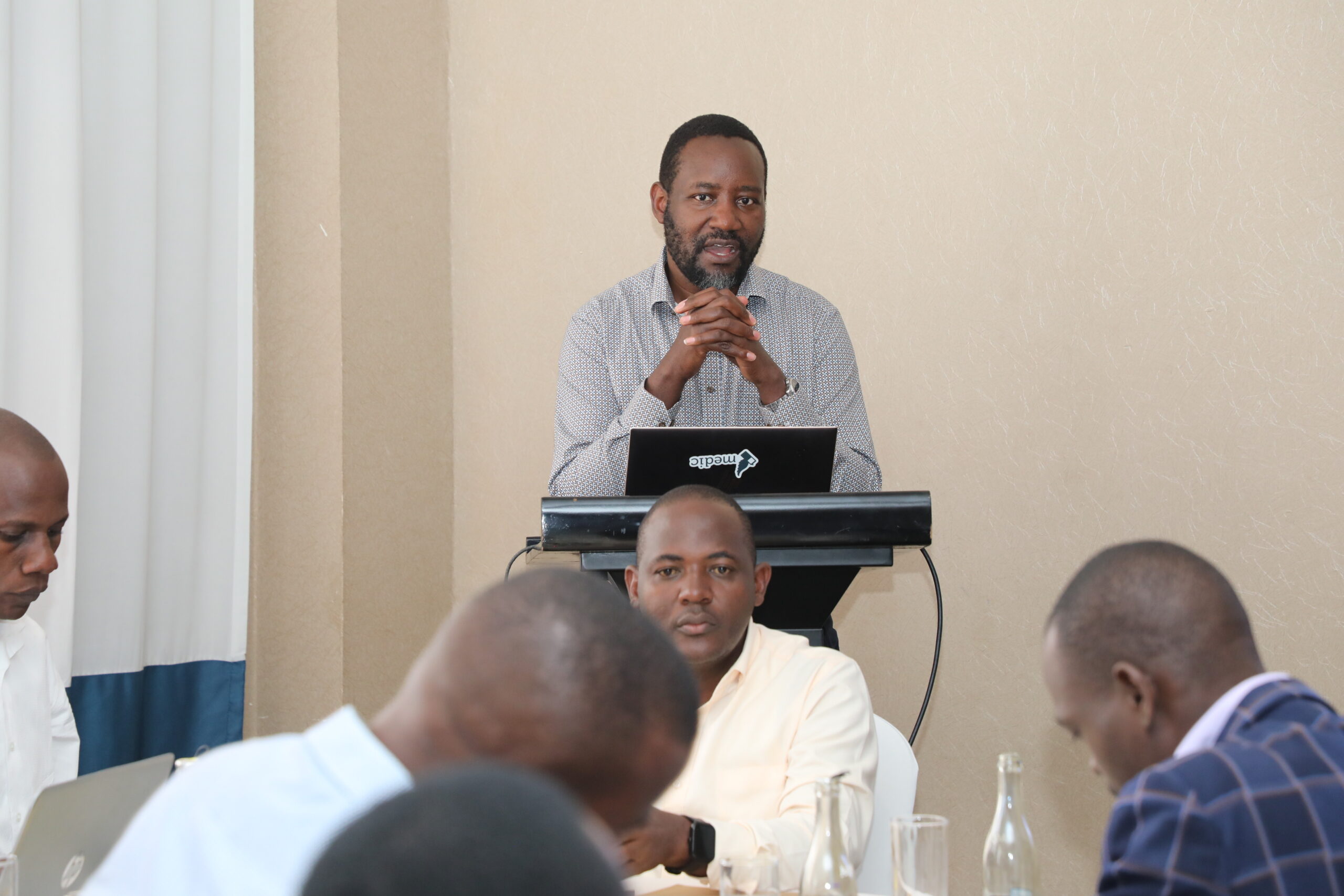
After four months of implementation, stakeholders convened a user feedback and synthesis workshop to assess how frontline health workers were experiencing the technology
The review found very high agreement between VHT and AI interpretations, alongside growing confidence and interest among users in using AI-assisted interpretation as part of routine community healthcare.
However, the implementation also encountered several challenges that affected the volume and consistency of testing across some sites.
Among the key constraints identified were lower-than-expected testing volumes, limited availability of commodities, device performance problems, connectivity challenges and gaps in supervision.
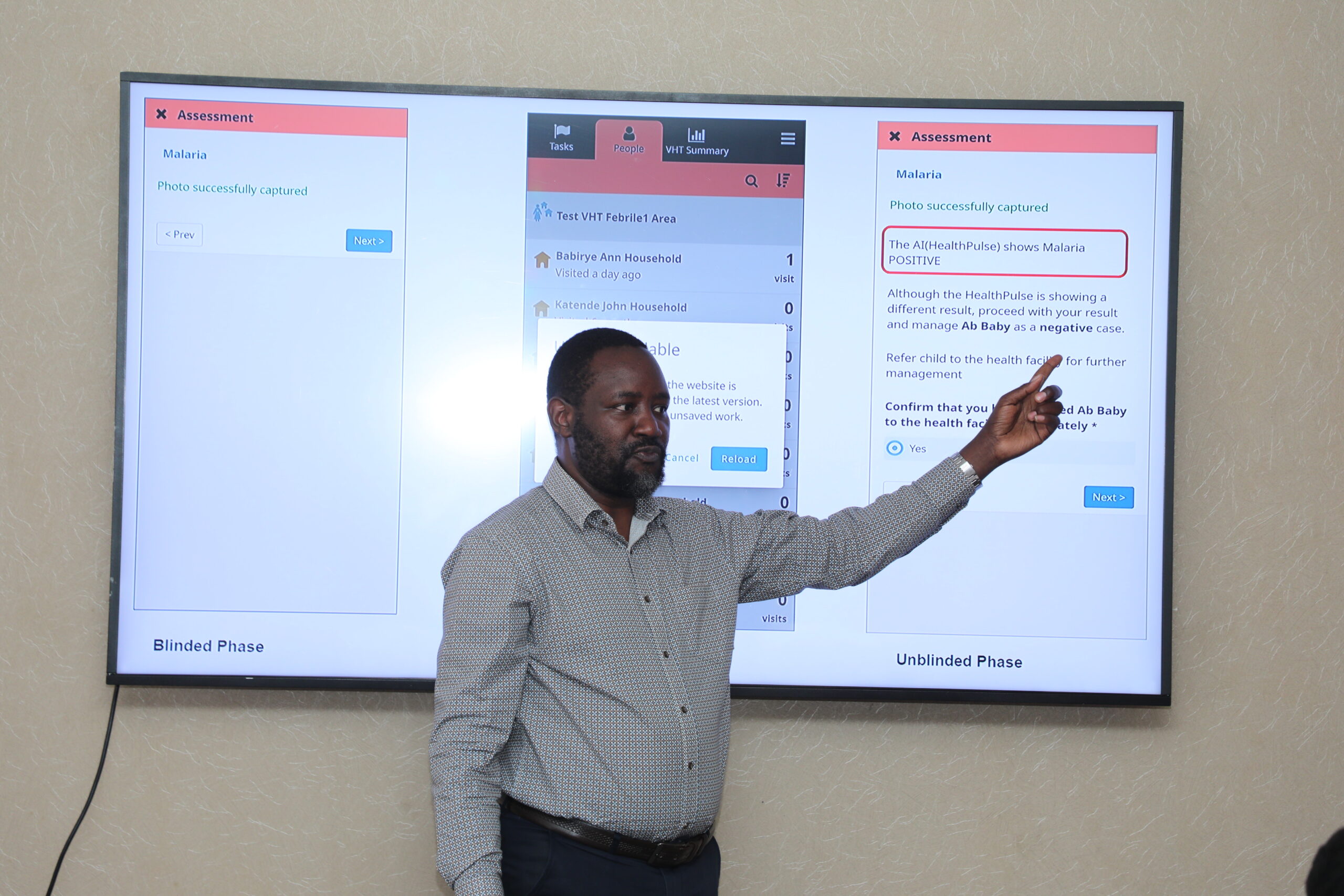
During Phase I, the AI system provided a parallel interpretation of cases, but the results were not visible to VHTs. This allowed researchers to compare the AI interpretation with that of the frontline health workers without influencing their decisions.
The project is now moving into Phase II, which will run for another three months. Under the new phase, VHTs will be able to see the AI interpretation alongside their own assessment.

The change is expected to provide further insight into whether AI-assisted interpretation can strengthen decision-making and improve the delivery of community-level health services.
The user feedback exercise was also aimed at identifying improvements needed in the technology, workflows, training and support provided to frontline users.
The findings underscore the potential of artificial intelligence to complement community health workers while highlighting the importance of addressing basic operational requirements for digital health interventions to succeed.

The Ministry of Health, implementing districts, end users and partners have welcomed the progress made during the first phase and expressed commitment to strengthening implementation as the second phase gets underway.
Uganda’s experience could provide useful lessons on the practical application of AI in community-level disease surveillance, particularly in settings where health workers operate with limited resources and varying levels of connectivity.