News
Sudan’s Gen. Burhan Donates Land to Rebuild Uganda’s War-Destroyed Khartoum Embassy as Museveni’s Mediation Revives

PORT SUDAN/KHARTOUM – President Yoweri Museveni’s Special Envoy to Sudan, Ambassador Joseph Okello Ocwet, has concluded a high-level diplomatic mission aimed at rebuilding trust with Sudan’s leadership and restoring confidence in Uganda’s role as a mediator in the country’s devastating civil conflict.
Ambassador Ocwet, who also serves as Director General of Uganda’s External Security Organisation (ESO), travelled alongside Uganda’s Ambassador to Sudan, Dr. Rashid Yahya Ssemuddu, for meetings held in Port Sudan and Khartoum between July 3 and 4. The mission was undertaken under President Museveni’s African Union mandate to spearhead peace efforts in Sudan.
The visit sought to address tensions that arose following a controversial February meeting in Kampala involving Rapid Support Forces (RSF) leader Gen. Mohamed Hamdan Dagalo. Ugandan officials maintained that the engagement formed part of wider consultations with all parties to the conflict and was intended to advance peace rather than endorse any side.

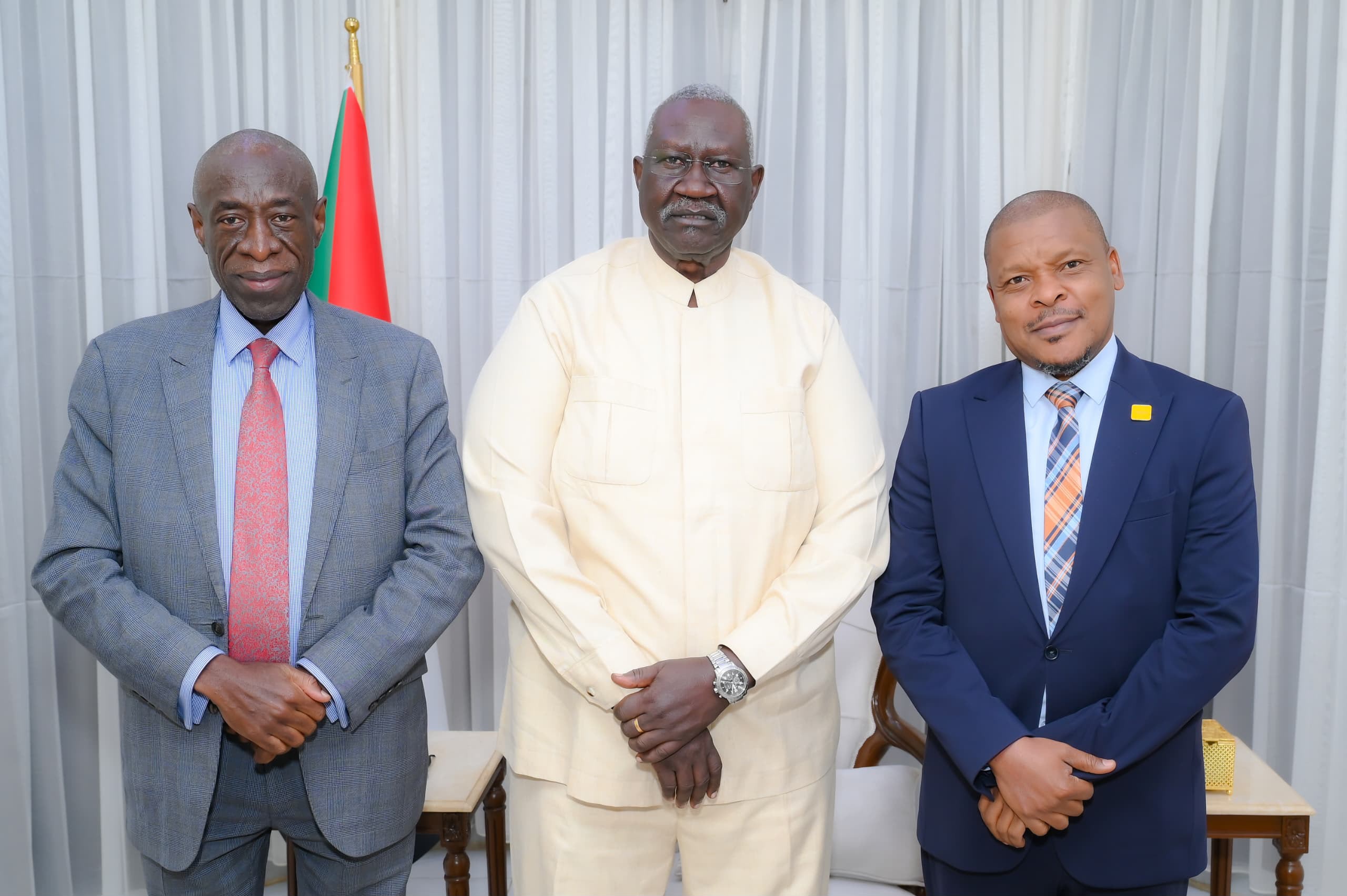
Ambassador Dr. Rashid Yahya Ssemuddu (R) accompanied Ambassador Joseph Okello Ocwet (L) also the ESO DG. In the middle is H.E Malik Aggar the Vice President of Sudan
During discussions with Sudan’s Deputy Chairman of the Transitional Sovereignty Council (TSC), Malik Ager, Ambassador Ocwet formally clarified Uganda’s position and expressed regret after Gen. Dagalo allegedly used his visit to Kampala to publicly criticise Sudan’s government while addressing Sudanese nationals. The envoy stressed that the remarks did not reflect Uganda’s policy and reaffirmed Kampala’s recognition of the Transitional Sovereignty Council as Sudan’s sole legitimate authority.
According to the document, Ager accepted Uganda’s explanation, describing the incident as a misuse of Uganda’s hospitality and expressing renewed confidence in President Museveni’s leadership and mediation efforts.
The Ugandan delegation also met Sudanese Prime Minister Dr. Kamil Idris and General Intelligence Service Director Lt. Gen. Ahmed Ibrahim Mufaddal, who outlined the humanitarian devastation caused by the conflict. Sudanese officials argued that any peace initiative must address what they described as external support for the RSF, particularly allegations involving the United Arab Emirates.

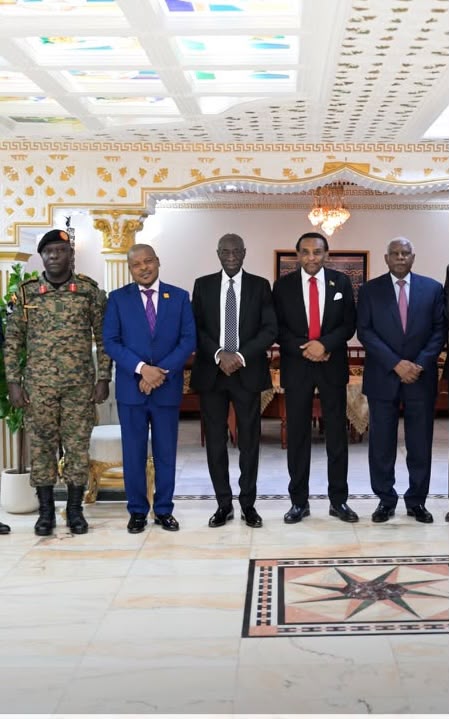
Ambassador Dr Rashid Yahya Ssemuddu (2nd L) with Ambassador Joseph Okello Ocwet (C). On his left side is H.E. Dr. Kamil Idris the Prime Minister of Sudan
Prime Minister Idris reportedly described President Museveni as an “icon of Africa” while urging Uganda to pursue a fresh approach to mediation. He maintained that the conflict extends beyond the RSF itself and that any negotiations should focus on ending support for the militia and establishing a path for its disarmament.
The highlight of the mission came during a meeting with Transitional Sovereignty Council Chairman Gen. Abdel Fattah Al-Burhan, where Ambassador Ocwet delivered a personal message from President Museveni following the Ugandan leader’s engagements with regional actors, including the United Arab Emirates and Gen. Dagalo.
While expressing concerns over alleged external support to the RSF, Gen. Al-Burhan welcomed Uganda’s continued diplomatic engagement and praised President Museveni’s regional leadership. He also accepted an invitation to visit Uganda.

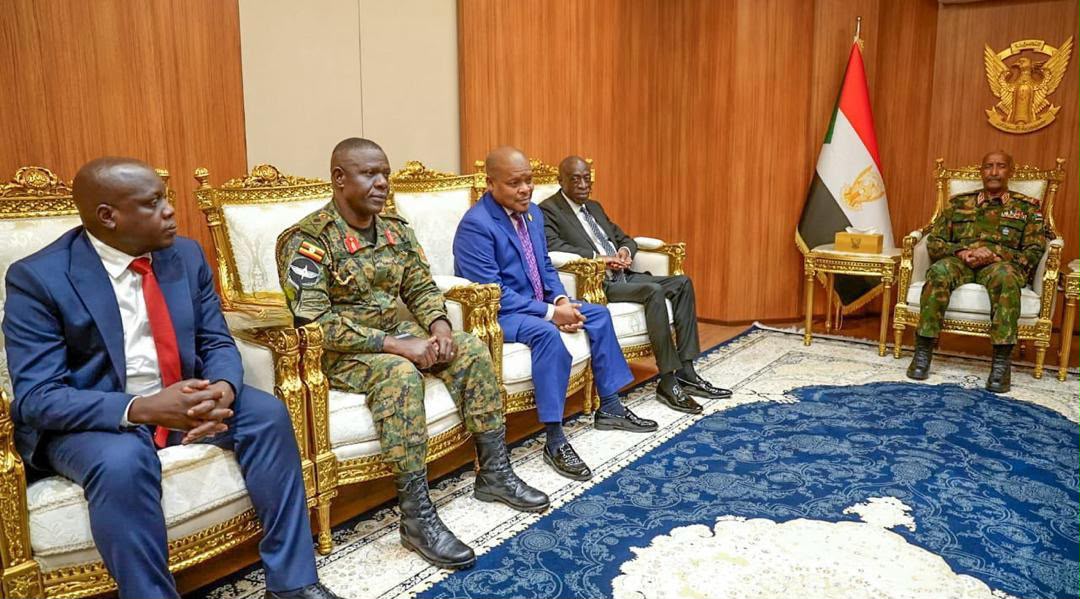
General Abdel Fattah al-Burhan, the Chairman of Sudan’s Transitional Sovereignty Council (R) during his meeting with Ambassadors Joseph Okello Ocwet and Dr Rashid Yahya Ssemuddu
In a significant gesture of goodwill, Al-Burhan offered Uganda land to construct a new permanent embassy in Khartoum after the previous chancery was destroyed during the war signalling renewed commitment to strengthening bilateral relations despite the ongoing conflict.
The mission concluded with Uganda reporting renewed confidence from Sudan’s leadership in President Museveni’s mediation role. Sudanese authorities called for continued African-led peace efforts while insisting that any future negotiations must preserve the country’s sovereignty and avoid legitimising parallel political structures.
The document also notes that several parallel mediation initiatives, including the Nairobi Process and the international “Quad” mechanism, have struggled to gain the confidence of Sudan’s transitional authorities. It argues that President Museveni’s initiative enjoys greater prospects because of the trust placed in him by Sudan’s leadership and his continued engagement with regional stakeholders.