News
Museveni Demands 2 Permanent Seats For Africa on UN Security Council, Says Current Is Colonial

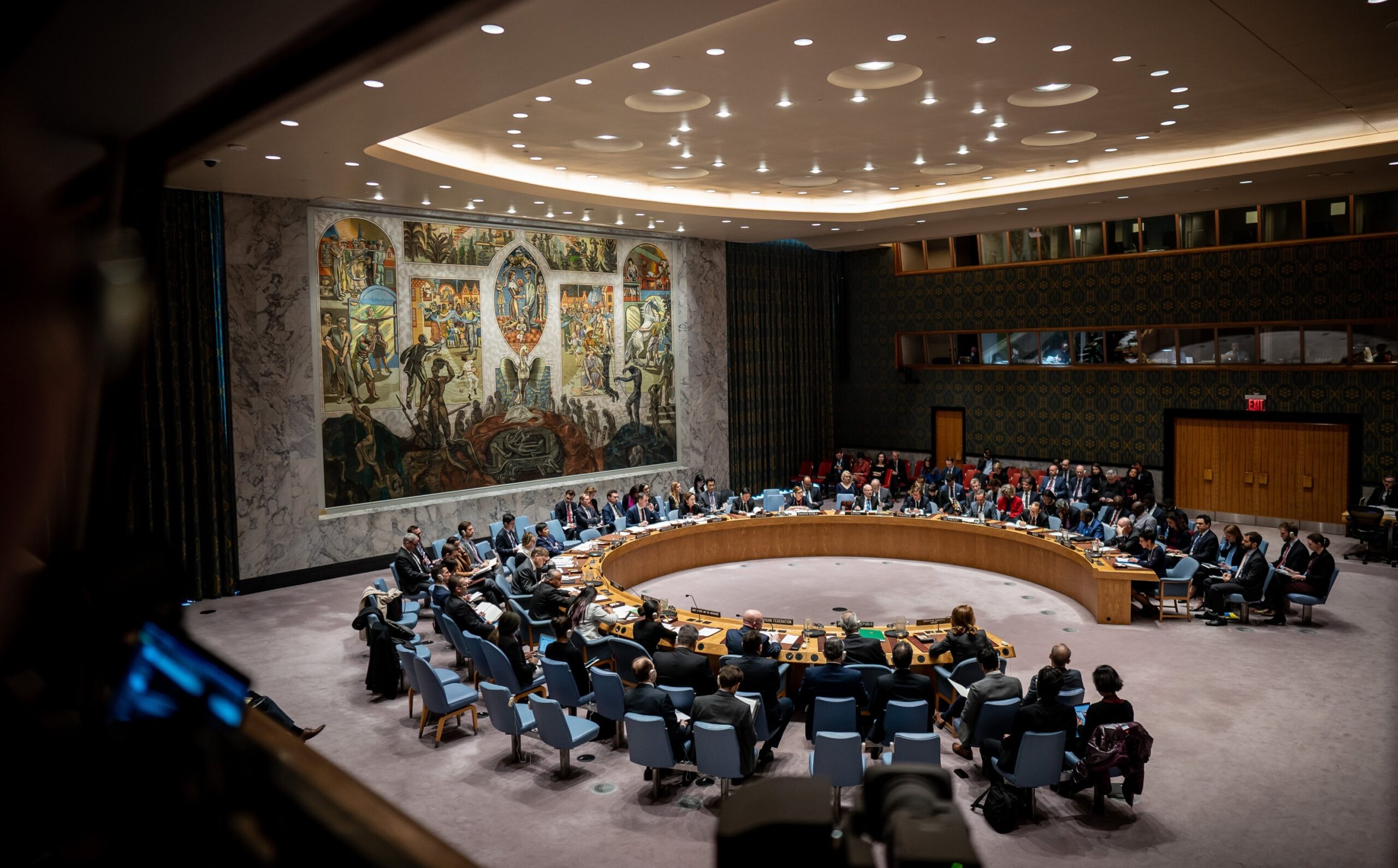
Uganda’s President Yoweri Kaguta Museveni has made an emphatic call for the radical restructuring of the United Nations Security Council (UNSC), arguing that Africa must no longer accept being sidelined in global decision-making.
Museveni’s remarks are contained in his statement at the 6th Summit of the African Union’s Committee of Ten (C-10) on the Reform of the UNSC, where he called for two permanent seats with veto powers and two non-permanent seats to be reserved for Africa, a move he described as long overdue.
The virtual summit, chaired by President Julius Maada Bio of Sierra Leone, brought together African Heads of State and Government who are part of the C-10, a special committee tasked with advancing the Common African Position (CAP) on Security Council reform.
It comes amid growing calls from across the Global South to restructure the UN to reflect 21st-century geopolitical realities.
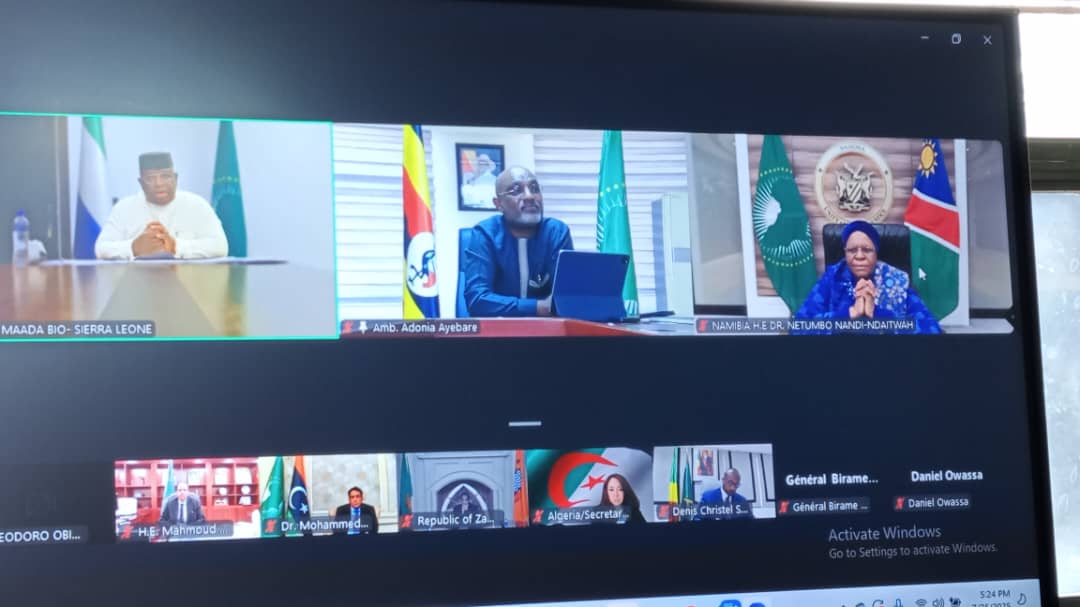
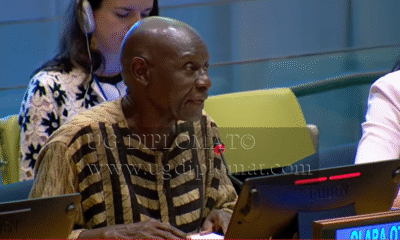
Museveni, who was represented by Ambassador Adonia Ayebare, Uganda’s Permanent Representative to the UN, issued a critique of the historical and structural biases embedded in the post-World War II international order.
He declared that Africa’s continued exclusion from permanent membership in the Council was not only unjust but also “a continuation of the colonial subjugation of the African continent under a different guise.”
A Legacy of Exclusion
Museveni reminded participants that at the founding of the United Nations in 1945, only four African states — Ethiopia, Liberia, Egypt, and the Union of South Africa — were independent and thus represented at the San Francisco Conference.
Today, Africa boasts 54 independent countries, making up nearly 28% of the UN’s membership, yet the continent holds no permanent seat on the Council and just three non-permanent rotational seats shared on a regional basis.
Reforming Power, Not Just Procedure
The Ugandan leader rejected cosmetic or procedural reforms, stating that what Africa seeks is real power, not just participation. He called for veto-wielding permanent seats because without them, African voices would continue to be “overruled, sidelined, or ignored” in matters of international peace and security.
The demand aligns with the African Union’s Ezulwini Consensus and Sirte Declaration, which jointly underpin the Common African Position on UN reform. According to these frameworks, Africa must be fully represented in all the decision-making organs of the UN, especially the Security Council, which wields binding authority on issues of war, peace, sanctions, and military intervention.
The ‘Africa We Want’
President Museveni urged African states to avoid internal divisions and maintain unity around the C-10 framework, warning that attempts to negotiate individually with major powers would only dilute the continent’s collective bargaining power.
He described the push for UNSC reform as a litmus test for the AU’s broader Agenda 2063 vision of a united, prosperous, and influential Africa.
He criticized global structures that “pontificate about democracy and fairness” while perpetuating a system where five countries, the P5 (US, UK, France, China, Russia), dominate international decision-making through their veto power. These countries, he noted, often pursue narrow national interests even when global peace is at stake.
C-10 Summit Outcomes
The C-10 Summit was also attended by the Heads of State of Kenya, Equatorial Guinea, Libya, Namibia, and Zambia. The Presidents of Algeria, Congo Republic, and Senegal were represented by senior ministers. The group resolved to intensify diplomatic engagements at multilateral fora, including the UN General Assembly, to promote Africa’s position.
The C-10 Committee was established in 2005 by the African Union to build consensus and lead advocacy efforts for UNSC reform. Despite growing international recognition of the need for change, progress has been slow — partly due to resistance from some permanent members who view an expanded Council as a threat to their dominance.
Nonetheless, Museveni remained optimistic, stating that the moral, demographic, and historical case for Africa’s inclusion is unassailable.
“We are a continent of 1.4 billion people. We are rich in culture, resources, ideas, and potential. The world cannot afford to ignore Africa any longer.”
Shift in Global Power
The President’s call comes at a time when global governance institutions are under increased scrutiny. From climate negotiations to pandemic responses, voices from the Global South have expressed frustration at being left out of critical decisions.
In recent years, India, Brazil, and other regional powers have joined Africa in calling for a new multilateral order that is more democratic, representative, and inclusive.
Museveni’s remarks are thus part of a larger diplomatic momentum challenging the status quo. His speech reasserted Uganda’s commitment to multilateralism, but also a demand for equity, justice, and agency within that system.