News
Kagame Says Years as Refugee in Uganda Shaped His Fight for a Better Rwanda

Rwandan President Paul Kagame has reflected on his childhood as a refugee in Uganda, saying the hardships experienced by his family helped shape his determination to ensure Rwandans would not remain stateless or displaced forever.
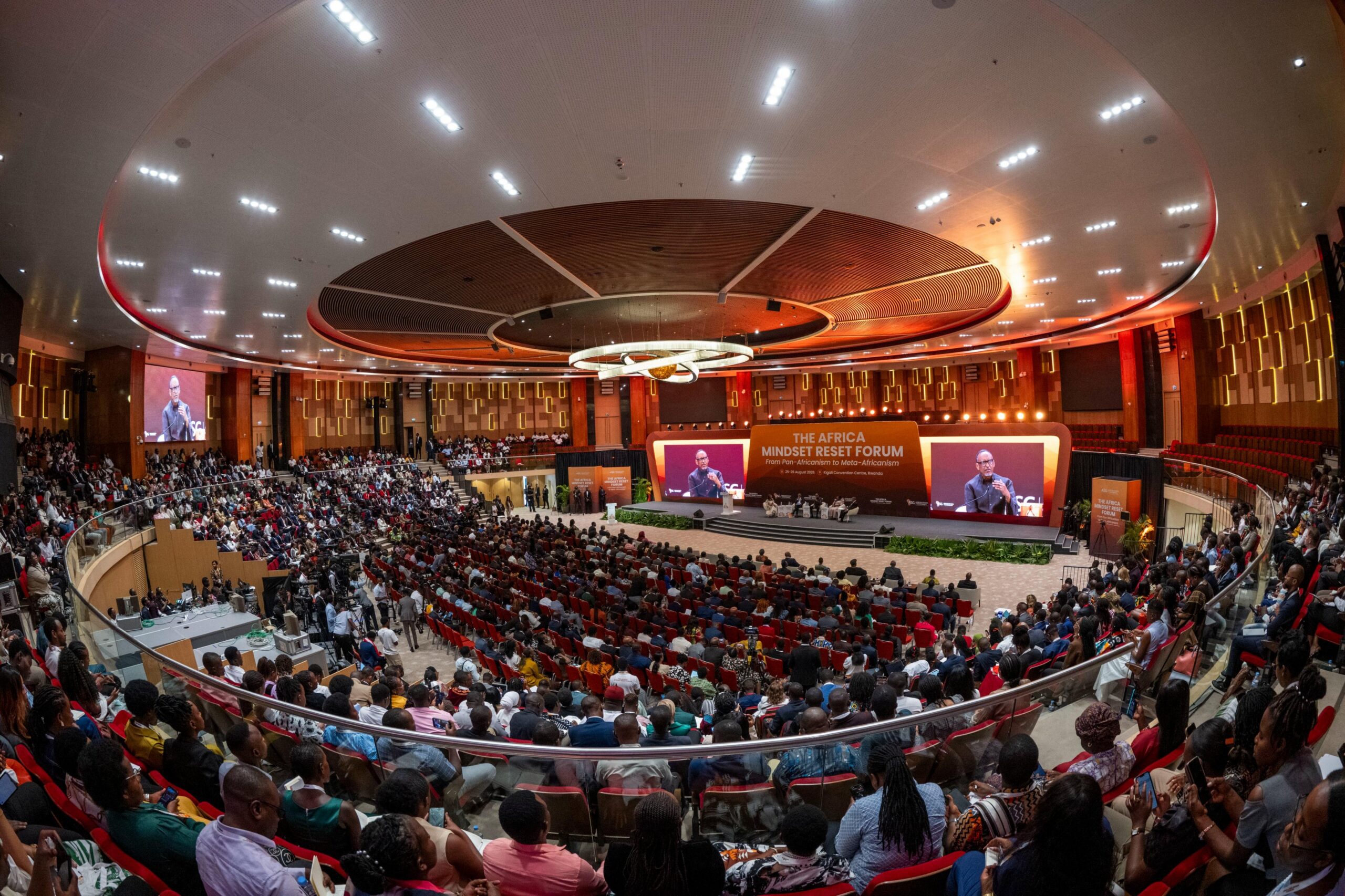
Speaking during the ASG Africa Mindset Reset Forum in Kigali, Kagame said his family went into exile when he was four years old and that he spent a significant part of his childhood as a refugee in Uganda.
He linked his family’s experience to the broader history of violence against Rwandans, saying the persecution had begun decades before the 1994 Genocide against the Tutsi.
Kagame said some of his relatives were killed during the violence of the 1960s, while others were forced into exile.

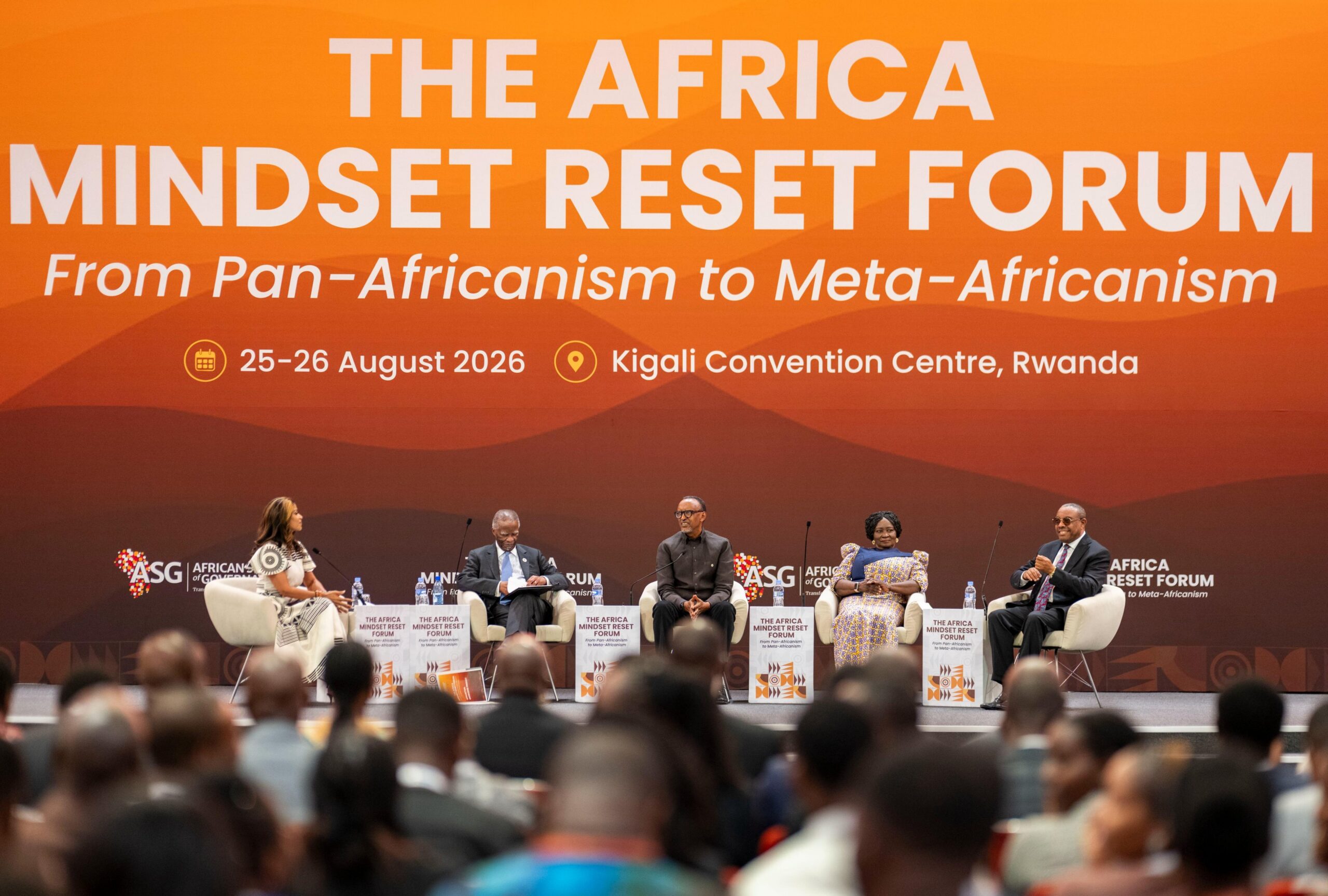
Rwandan President Paul Kagame (C) with Former Ethiopian PM Hailemariam Desalegn Boshe (R) and former South Africa President Thabo Mbeki at the summit
“We can’t just live stateless. We can’t live as refugees forever,” Kagame said.
He said the experience produced a determination among some refugees to change their circumstances rather than accept displacement as a permanent condition.
According to Kagame, some people who had endured years of exile felt they had little left to lose and were therefore willing to take risks to build a meaningful future.
He said the 1994 genocide against the Tutsi, represented a recurrence of violence that had affected Rwandans in earlier decades.
“Some people, naturally, humanly, could have lost hope and lost everything and gave up,” Kagame said, adding that others chose to fight to build a life “that is worth something.”
Kagame also acknowledged that many people did not survive the various episodes of violence, while others managed to rebuild their lives.

He concluded by warning against repeating the mistakes that created Rwanda’s history of displacement and violence.
“We can’t make the same mistake as those who made us, who created that situation,” he said.