
From 20 to 100+ Deliveries a Month: How Comic Relief and Malaria Consortium Transformed Iyolwa Health Centre III
November 15, 2026
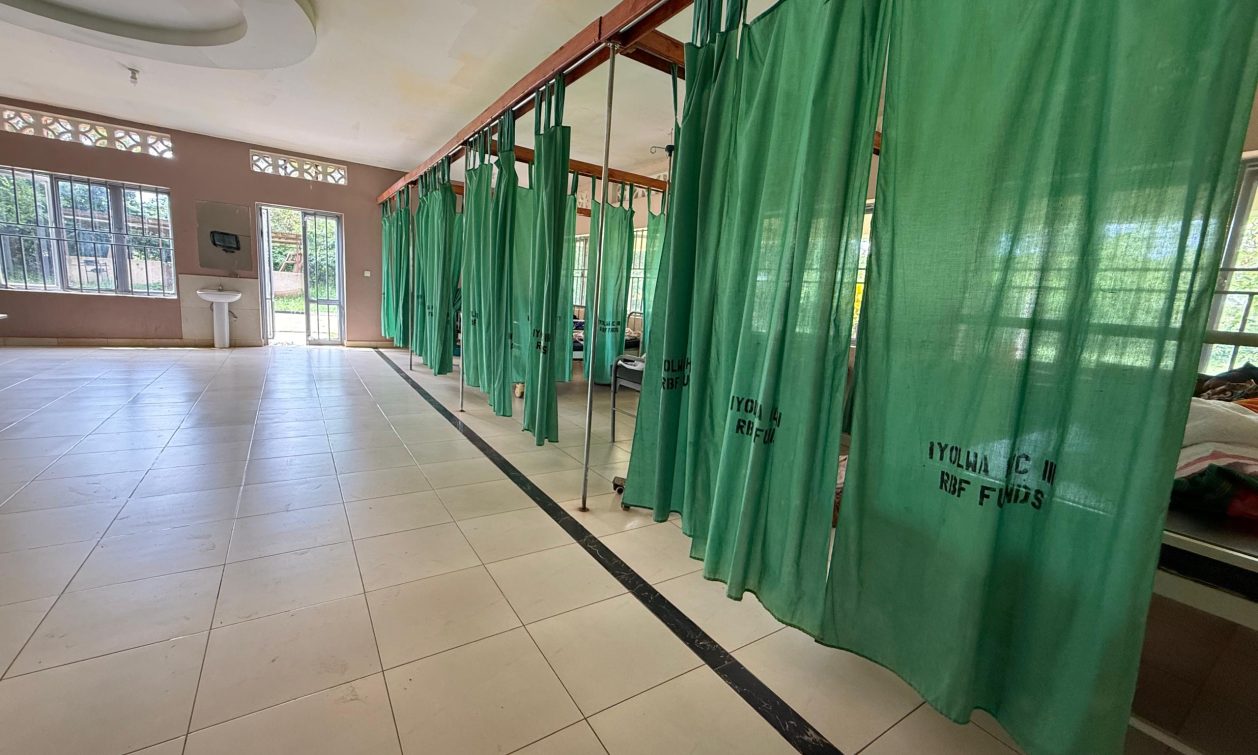
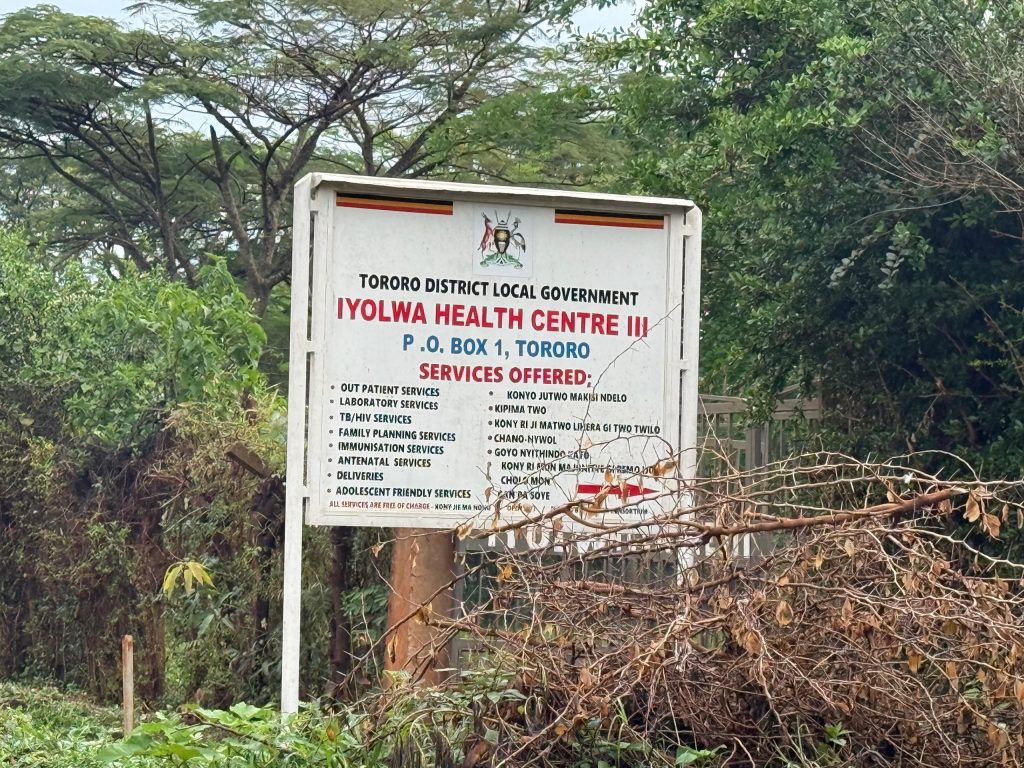
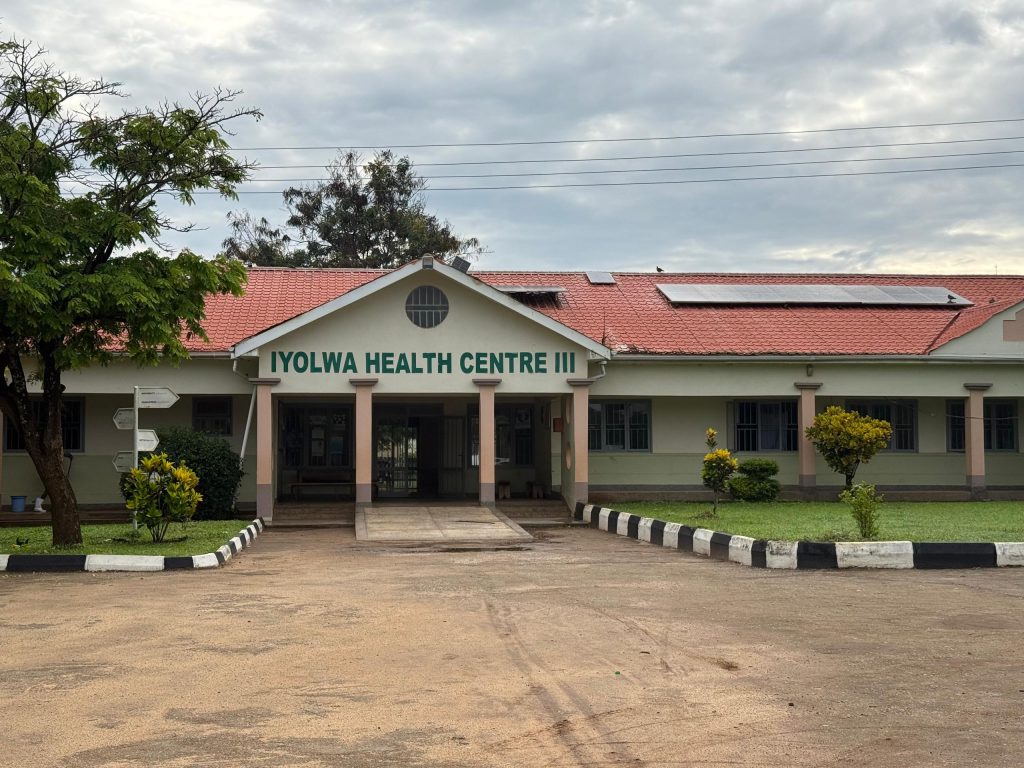
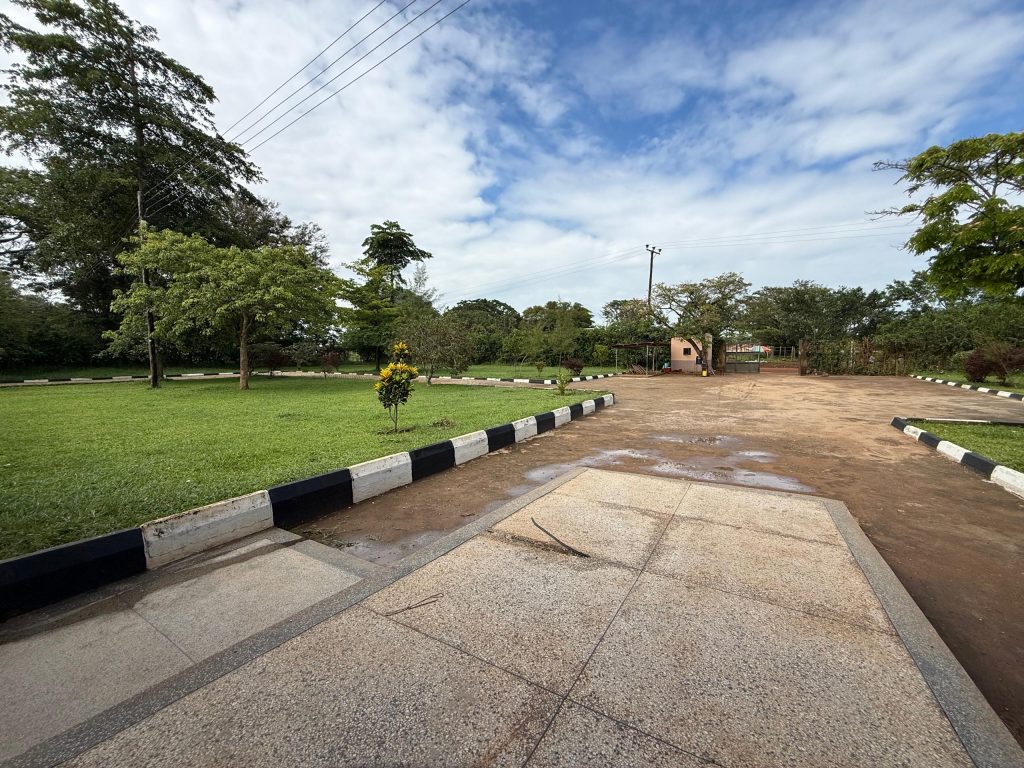
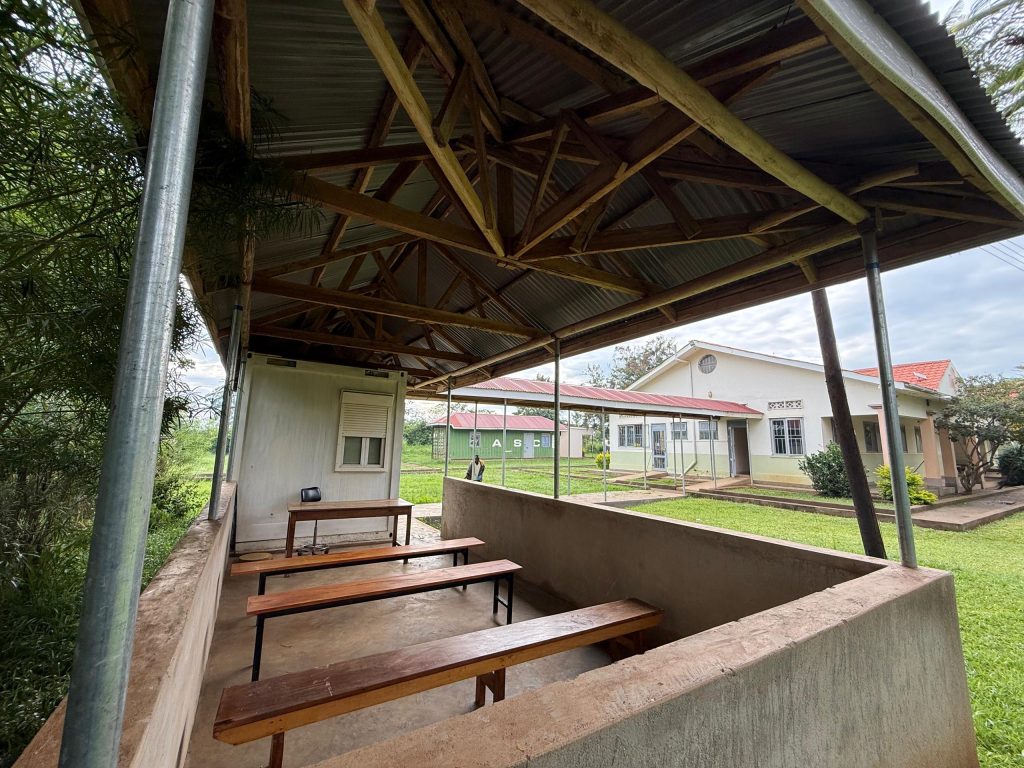
Once constrained by inadequate infrastructure and limited essential services, Iyolwa Health Centre III in Tororo District is emerging as a more reliable destination for mothers seeking safe childbirth and quality healthcare. With funding from Comic Relief and implementation by Malaria Consortium, the facility has undergone a remarkable transformation, improving working conditions for health workers while expanding access to maternal healthcare for the surrounding community.
A rural health facility's remarkable turnaround
For years, Iyolwa Health Centre III struggled with the kind of infrastructure challenges that make healthcare delivery difficult, particularly in rural communities where public health facilities are often the first and sometimes only point of access to medical services.
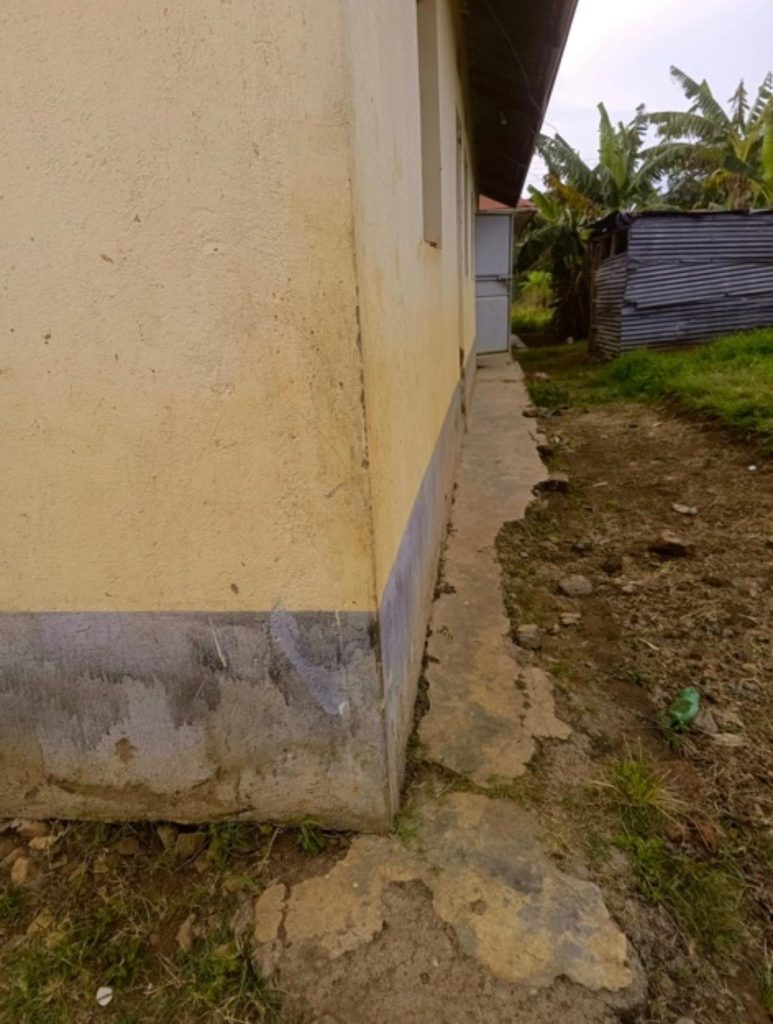
The situation before the intervention was severe. The facility had inadequate infrastructure, no reliable electricity or running water, insufficient medical equipment and poor working conditions for health personnel. Its buildings were deteriorating, with damaged ceilings, leaking roofs, broken windows and infestations of rats, bats and insects.
These were not merely cosmetic problems. They directly affected the quality of care patients could receive and made it difficult for health workers to deliver essential services, especially at night.
The scale of the transformation was captured by Comic Relief's Operation Health initiative, which brought together funding, technical expertise and local implementation to rebuild the facility.
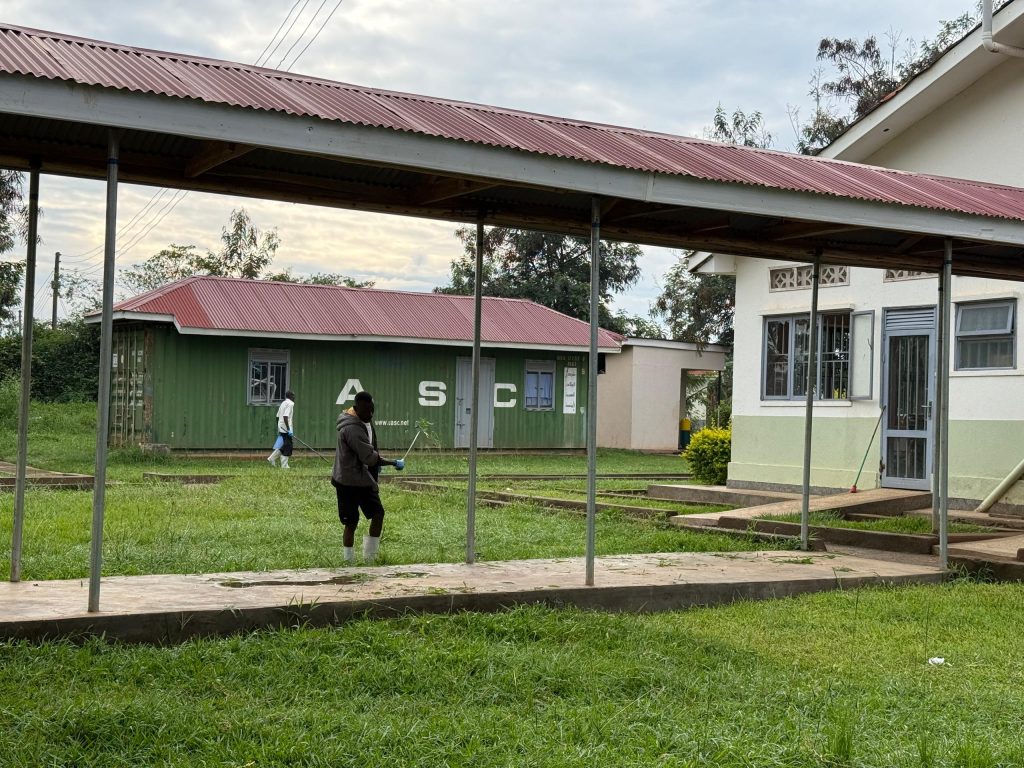
In early 2015, Malaria Consortium supported the reconstruction and refurbishment of Iyolwa Health Centre III, with the facility receiving new equipment and improved infrastructure. The project was endorsed by Uganda's Ministry of Health and implemented in collaboration with the local community and Tororo District health authorities.
The intervention was subsequently extended through a second phase, running from April 2015 to September 2017, with an emphasis on maintaining infrastructure, improving equipment maintenance, strengthening health worker skills and ensuring that the improvements would be sustainable. Comic Relief committed £549,912 to this wider healthcare-strengthening project.
Electricity and water: Changing the experience of healthcare
One of the most significant changes at Iyolwa is the availability of essential utilities that make a health facility functional around the clock.
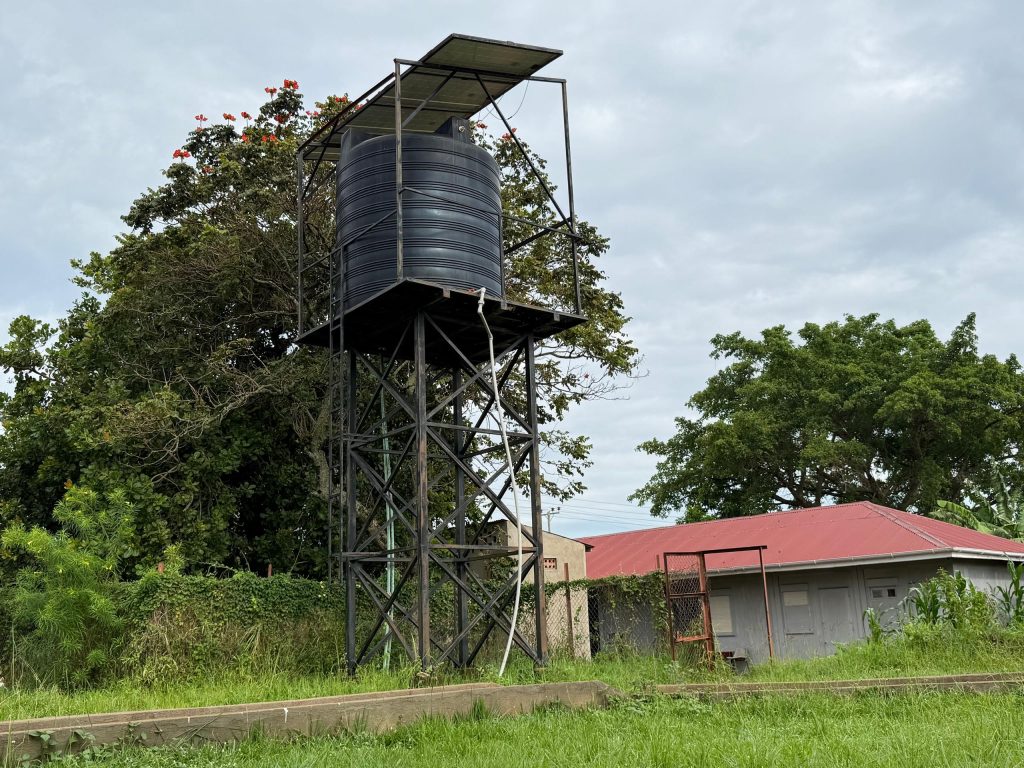
Reliable electricity, supported by backup power, has changed the way the facility operates. Health workers can attend to patients even when the main power supply is interrupted, reducing the risk of disruptions during emergencies and childbirth.
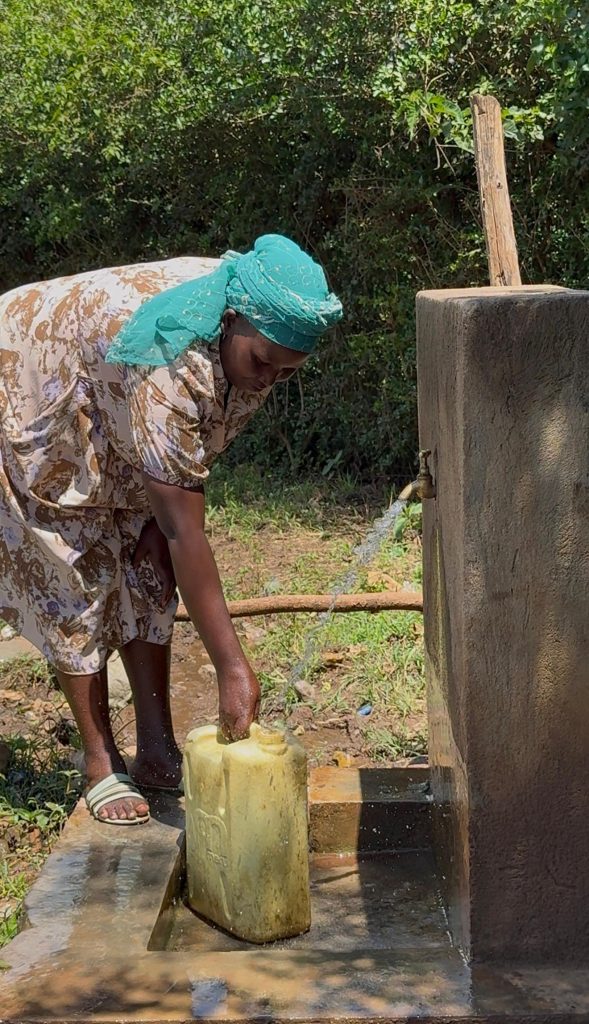
Access to water has also improved the working environment, supporting cleanliness, infection prevention and the everyday requirements of patient care.
These improvements are particularly important in maternal healthcare, where a woman can go into labour at any hour and complications may require immediate medical attention.
A health facility cannot claim to provide dependable emergency maternity services if its operations are constrained by darkness, inadequate water or unreliable equipment.
At Iyolwa, the availability of these essentials has helped make round-the-clock service delivery a practical reality.
Staff accommodation keeps health workers within reach
Another important aspect of the transformation is the provision of staff accommodation.
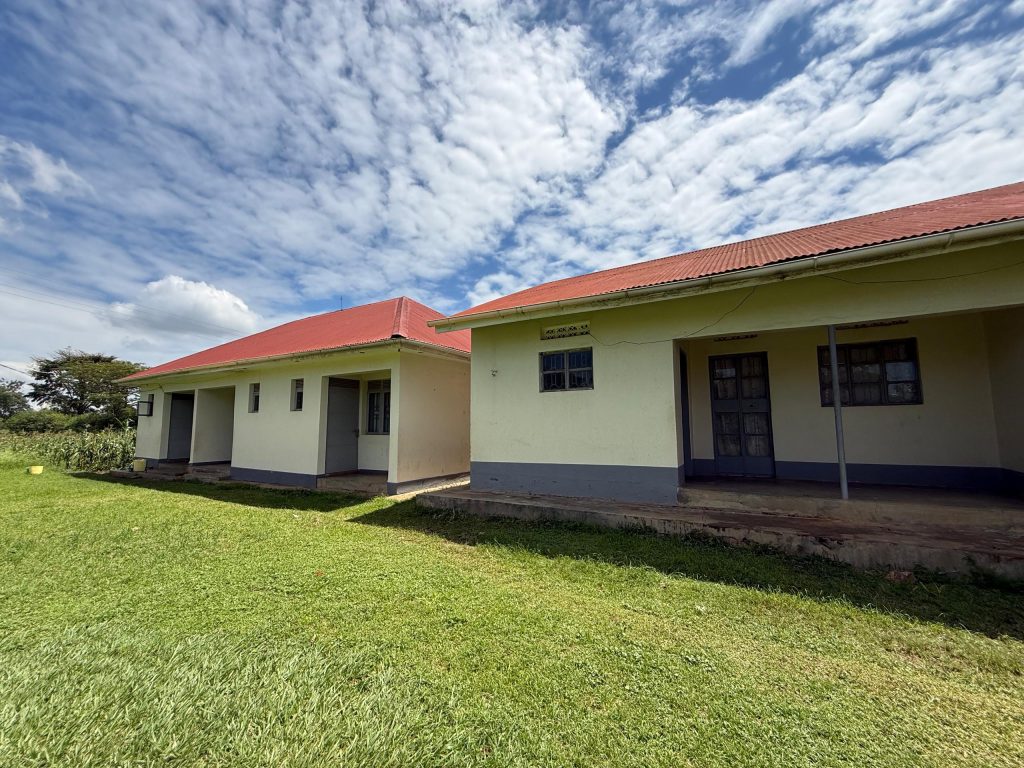
The facility has staff quarters that enable health workers to remain close to the patients and respond whenever their services are needed.
This is particularly valuable in a rural setting, where transport challenges and long distances can make it difficult for medical personnel to reach a health facility quickly, especially during the night.
The improved working environment has also reportedly strengthened staff morale and retention.
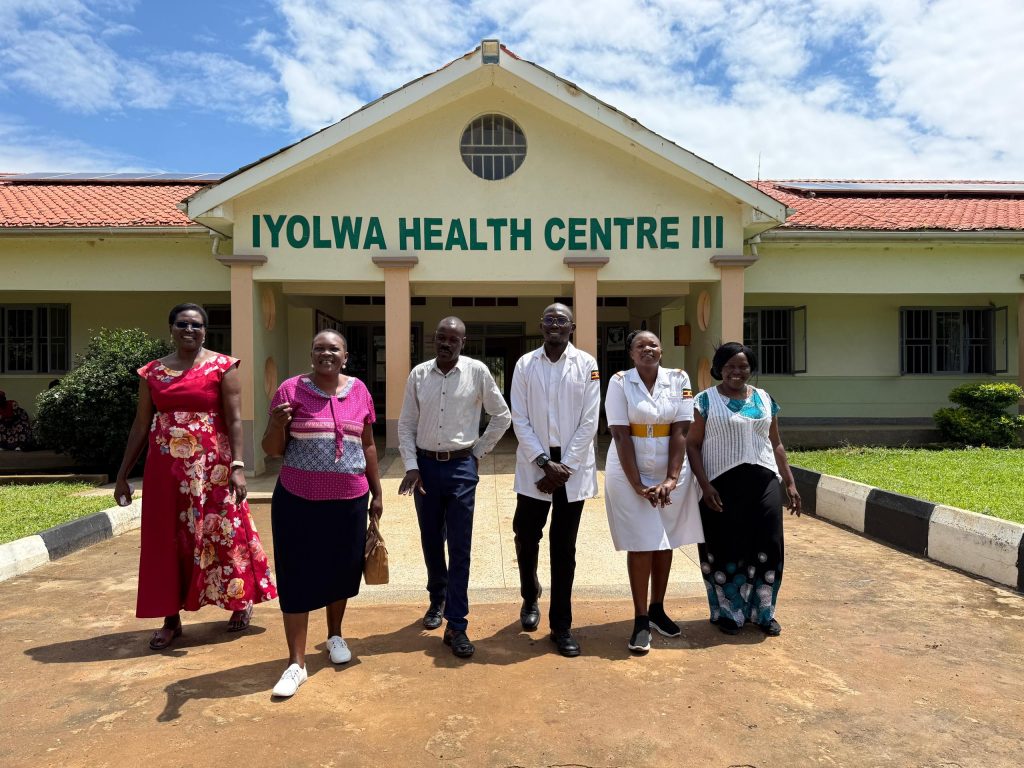
Indeed, health workers at the facility are said to be reluctant to be transferred elsewhere because of the improved conditions, equipment and utilities available at Iyolwa.
That is an important indicator of institutional transformation. A health centre that can attract and retain motivated personnel is better positioned to provide consistent services to its community.
For patients, the presence of health workers within the facility's immediate environment means that seeking assistance does not have to wait until the next working day.
Maternal healthcare: Deliveries rise from 20 to more than 100 monthly
Perhaps the clearest indication of the facility's transformation is the change in its maternal healthcare services.
According to the facility's reported figures, monthly deliveries have increased from approximately 20 before the improvements to more than 100 today.
The increase points to growing confidence among expectant mothers in the services available at the health centre.
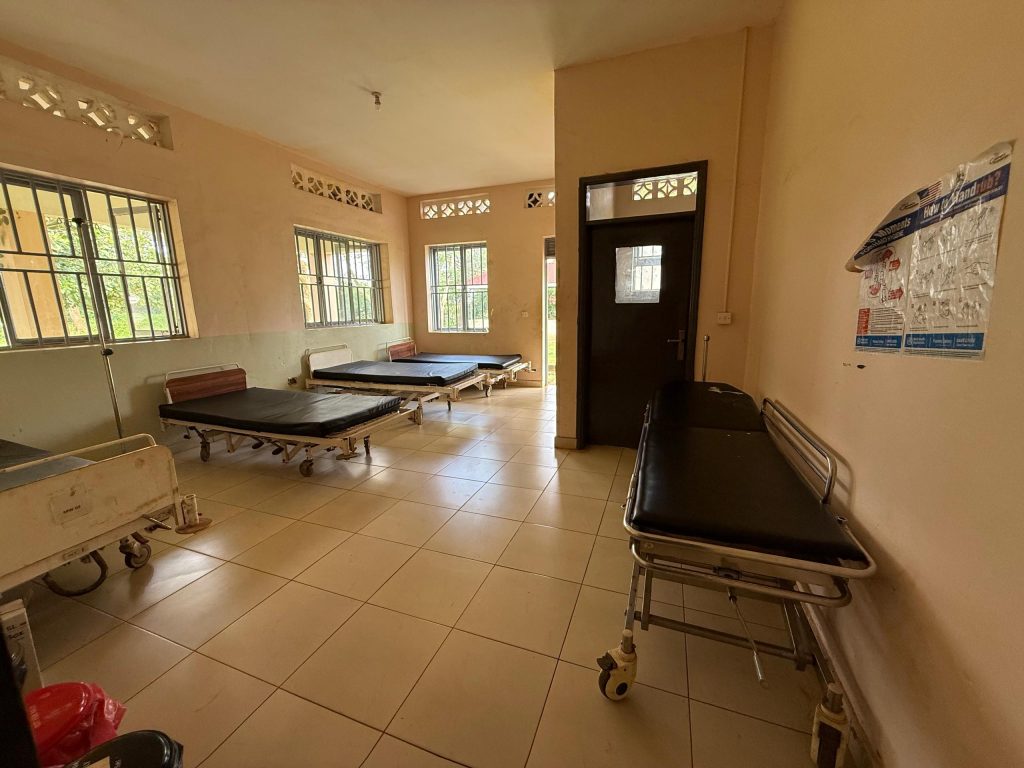
For women in Iyolwa and neighbouring communities, the ability to deliver at a nearby facility with electricity, water, medical equipment and health workers available at all hours is a significant improvement.
The reported maternal death rate has also declined as the number of deliveries has increased.
Although the precise maternal mortality figures and the period over which the reduction was measured have not been provided, the reported trend is encouraging and highlights the importance of investing in accessible, adequately equipped maternal healthcare facilities.
The significance goes beyond the numbers. Every additional mother who can access skilled assistance during childbirth has an opportunity for safer delivery, while newborns benefit from the availability of trained personnel and essential medical support.
The facility's ability to remain operational throughout the night is particularly important. Labour does not follow office hours, and emergencies can arise when families least expect them.
Beyond the buildings: Investing in a stronger health system
The Iyolwa intervention demonstrates why improving healthcare requires more than constructing or renovating buildings.
A refurbished facility without trained personnel, functioning equipment, maintenance arrangements and adequate utilities cannot deliver its full potential.
Recognising this, Malaria Consortium's second phase of the project focused on sustaining the improvements, strengthening equipment maintenance systems, improving health worker performance and retention, and building the capacity of district health leadership.
Community participation and accountability were also important elements of the programme. The intention was to ensure that local people were not simply recipients of healthcare services but had a role in demanding and sustaining quality service delivery.
This approach is particularly relevant in rural Uganda, where infrastructure investments sometimes lose their value because of inadequate maintenance, staffing constraints and shortages of essential supplies.
Iyolwa offers an example of what can be achieved when infrastructure improvements are accompanied by attention to the people and systems responsible for delivering healthcare.
A model worth learning from
Uganda continues to face the challenge of ensuring that quality healthcare is accessible beyond major towns and urban hospitals.
While national investment in health infrastructure remains important, the experience at Iyolwa highlights the value of partnerships that combine financial support, technical expertise, district-level coordination and community participation.
Comic Relief's funding and Malaria Consortium's implementation support helped address longstanding infrastructure challenges at a facility serving rural communities in Tororo District.
The reported growth in monthly deliveries, from around 20 to more than 100, alongside the reported decline in maternal deaths, provides an encouraging picture of what improved access and better working conditions can mean for maternal healthcare.
The experience also raises an important question for policymakers and development partners: how can similar investments be extended to other rural health facilities facing comparable challenges?
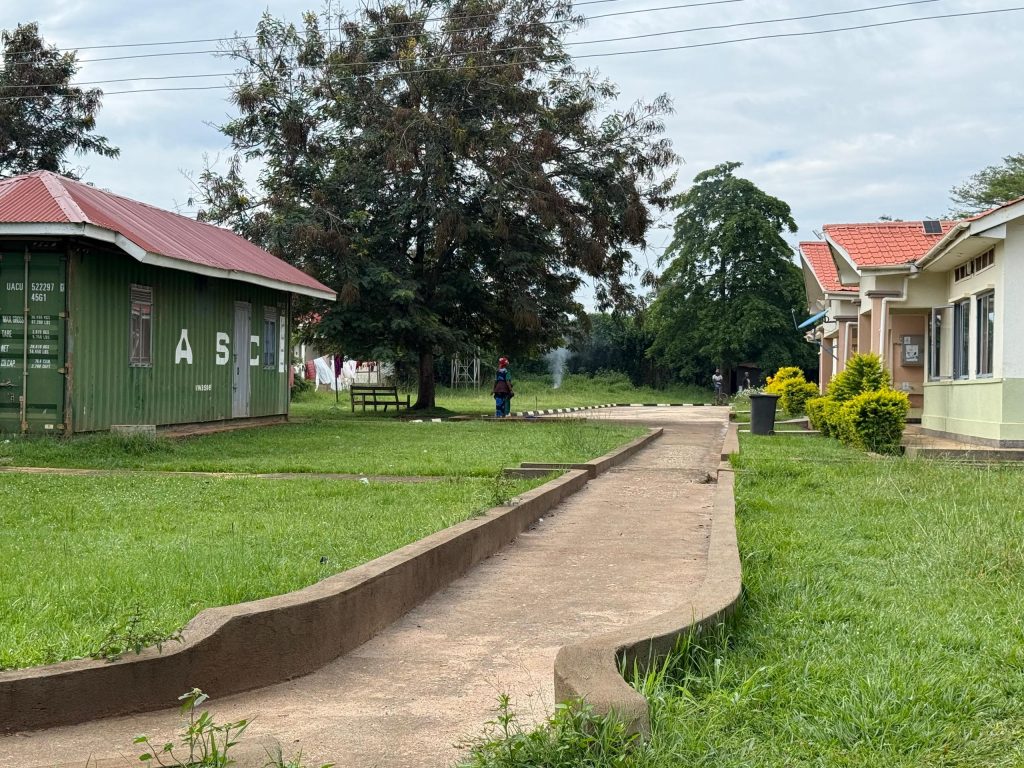
For the people of Iyolwa, the difference is already tangible. Mothers have a better-equipped place to deliver, health workers have a more supportive working environment, and patients can access services even at night.
Ultimately, the transformation of Iyolwa Health Centre III is a reminder that development assistance has its greatest value when it translates into practical improvements in people's everyday lives.



+256774552385 | info@ugdiplomat.com
Copyright © 2026 UG Diplomat -Product of CURRENTARC MEDIA