Business
EU, Belgium Back 50+ Ugandan SMEs in Green Jobs Push

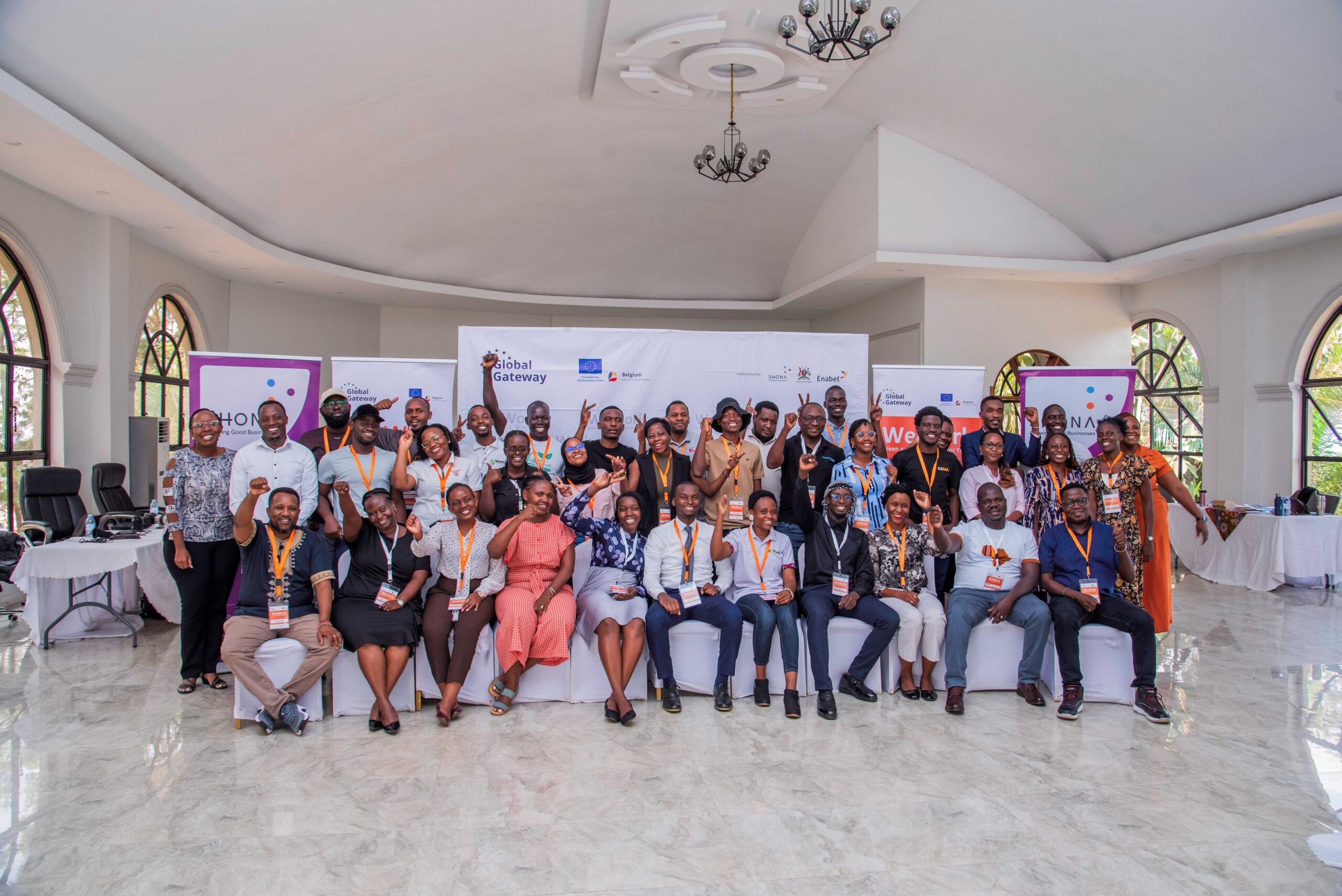
KAMPALA — More than 50 Ugandan small and medium enterprises (SMEs) have completed intensive business growth bootcamps aimed at strengthening green businesses, unlocking investment and expanding decent employment opportunities for young people.
The three-day bootcamps brought together high-potential enterprises from the Kampala Metropolitan, Busoga and West Nile regions, operating across renewable energy, sustainable agriculture, smart irrigation, sustainable fashion, eco-tourism, waste management, green construction, manufacturing and digital green marketplaces.
The programme is being implemented under the WeWork — Green and Decent Jobs for Youth project through the Good Green Business Accelerator, led by SHONA Group in partnership with Enabel and the Government of Uganda, with financial support from the European Union and the Kingdom of Belgium.
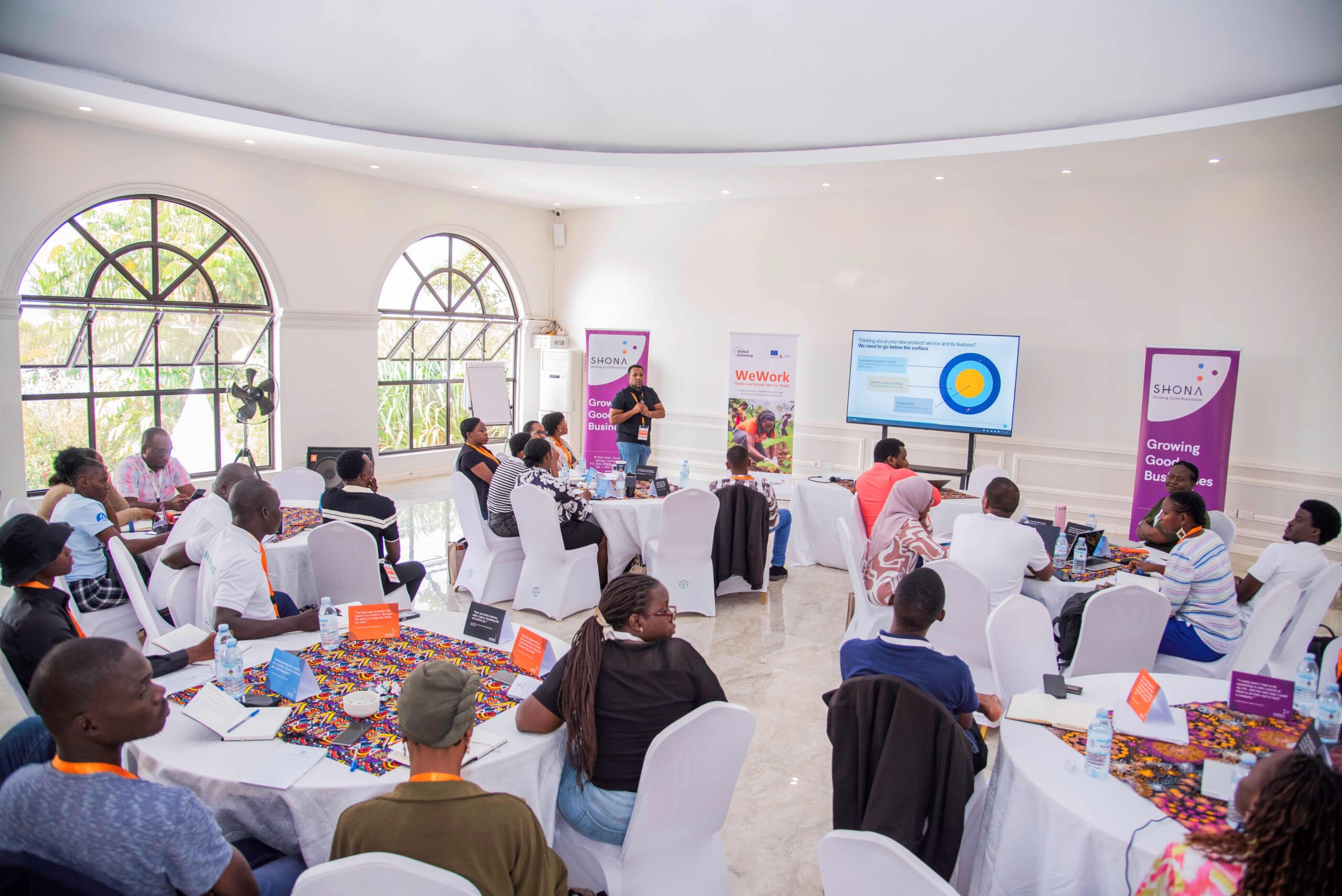

The initiative reflects growing efforts by Uganda and its development partners to strengthen the private sector’s role in the transition towards a green and circular economy, while linking environmental sustainability to investment and employment creation.
According to the programme, SMEs account for roughly 90% of Uganda’s private sector, contribute about 20% of national GDP and account for more than 80% of manufactured output. Yet green enterprises continue to face constraints including limited access to finance, inadequate business skills, high collateral requirements and difficulties accessing appropriate talent.
The accelerator is designed to address those barriers through a combination of business capacity building, access to finance and talent connections, with the broader objective of developing competitive and investment-ready enterprises capable of creating decent jobs while reducing environmental harm and improving resource efficiency.
“Our objective is to move entrepreneurs from being green by accident to being green by design,” said Regina Bamugye, Project Manager at SHONA Group.
She said the programme was focused on strengthening business capabilities and operationalising green and circular value chains so that participating enterprises can grow, access affordable capital and create sustainable employment for young Ugandans.


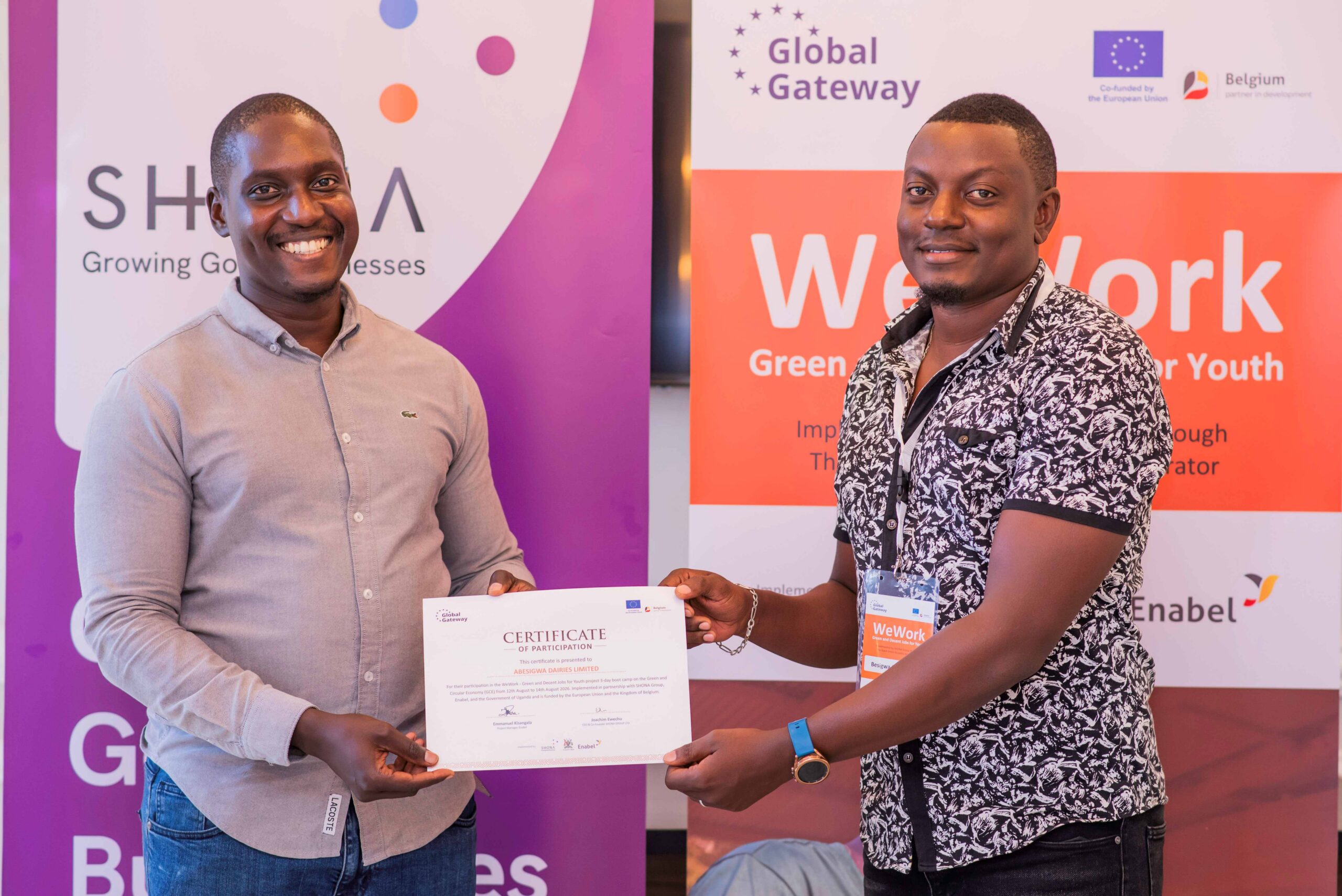
For participating businesses, the bootcamps provided practical business tools and growth strategies, including support to develop longer-term expansion plans.
Aminata Najjingo, founder of Amylia Fashions, said the programme had given her greater clarity, practical tools and new business networks, adding that she planned to implement a three-year growth plan developed through the training.
Financing and jobs next
The programme will move beyond training, with selected businesses set to receive ongoing advisory and capacity-building support aimed at helping them access capital through catalytic matching grants.
Participating enterprises will also have access to talent-matching grants that subsidise 50% of the wages of new youth hires for up to six months, providing a direct link between enterprise growth and youth employment.
For Uganda, the programme places SMEs at the centre of the intersection between green investment, industrial development and youth employment, while demonstrating how European development partnerships can be channelled into practical support for local businesses.