News
COMMONWEALTH SUMMIT: Ugandan MPs Demand Education Overhaul to Bridge Youth Skills Gap

LILONGWE, MALAWI — Members of Parliament from Uganda have issued a strong call on the Government to urgently overhaul Uganda’s education system, warning that a deep mismatch between what is taught in classrooms and what the labour market actually demands is squandering the country’s youth potential.
Speaking at the 55th Commonwealth Parliamentary Association (CPA) Africa Region Conference held in Lilongwe, Malawi, the Ugandan delegation pointed to the country’s growing youth population as an asset that remains untapped, cautioning that without deliberate reform, Uganda risks deepening its cycle of youth unemployment and poverty even as opportunities in oil, minerals, and other sectors expand.
Hon. Emely Kugonza (Buyanja East), who presented a paper titled “Bridging the Skills Gap: Aligning Education with Labour Market Demands in Africa,” described Uganda’s current educational framework as still carrying the imprint of an inherited colonial model, one designed to produce workers for export-oriented production rather than a self-sufficient economy. He argued that this legacy has left Uganda with a generation of graduates who hold academic certificates but lack the practical competencies employers need.

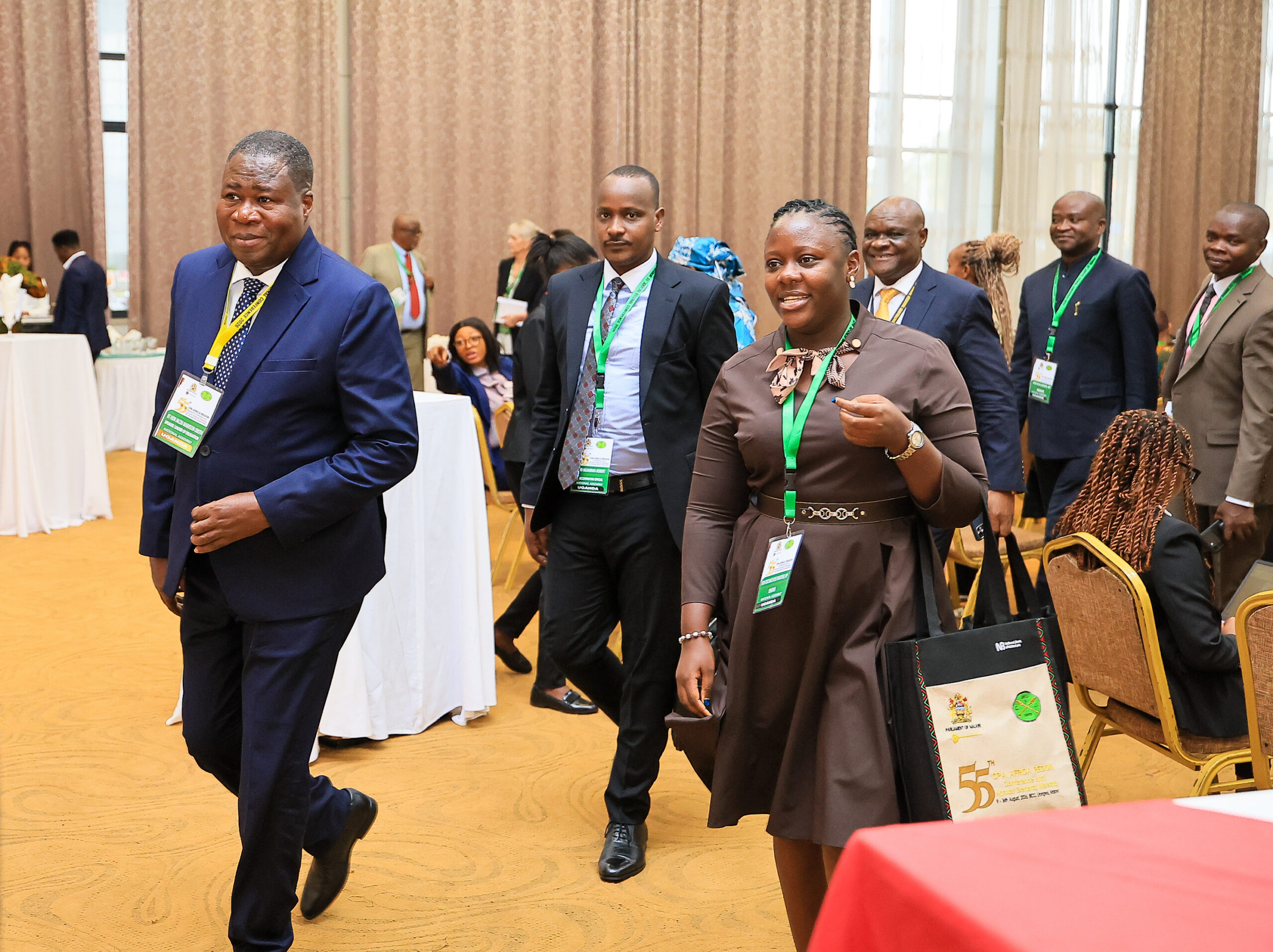
Speaker Jacob Marksons Oboth, together with a delegation of MPs attending the 55th CPA Africa Region Conference held in Lilongwe, Malawi.
He noted that Ugandan Universities continue to churn out growing numbers of graduates even as local employers report persistent shortages of technical, digital, engineering, and vocational skills, a gap he warned amounts to a lost demographic opportunity with implications for the country’s stability and security.
The delegation, led by Speaker Jacob Marksons Oboth, framed the reform agenda as essential to renewing the social contract between Government and Ugandan citizens. Hon. Fortunate Rose Nantongo (Kyotera Woman MP) called for skilling to be embedded in Uganda’s education system from the earliest stages, right from primary school, and urged Government to ensure the country’s skilling centers are adequately funded rather than left stranded without resources.
Hon. Otim Benard (Maruzi North) went further, proposing that every primary school, secondary school, and institution across Uganda be transformed into a skilling center to absorb the country’s large population of unskilled youth.
Hon. Naome Kabasharira (Rushenyi County) defended Uganda’s national focus on sciences and innovation, arguing that a hands-on curriculum is the only way for Ugandan youth to remain competitive in an increasingly shrinking job market.
Hon. Kugonza commended the Uganda government for the interventions it has already put in place to tackle the widening skills gap among young people, citing the 2020 Lower Secondary Curriculum’s shift toward competency-based learning and the ongoing expansion of Business, Technical and Vocational Education and Training (BTVET) institutions across the country as evidence of the Government’s commitment to addressing the crisis.
However, Hon. Silas Aogon (Kumi Municipality) cautioned that policy on paper is not enough for Uganda. He stressed that Parliament must exercise its oversight role to ensure the recently passed TVET law is fully implemented at home and that budgets are properly allocated to turn Uganda’s training hubs into genuine engines of wealth.

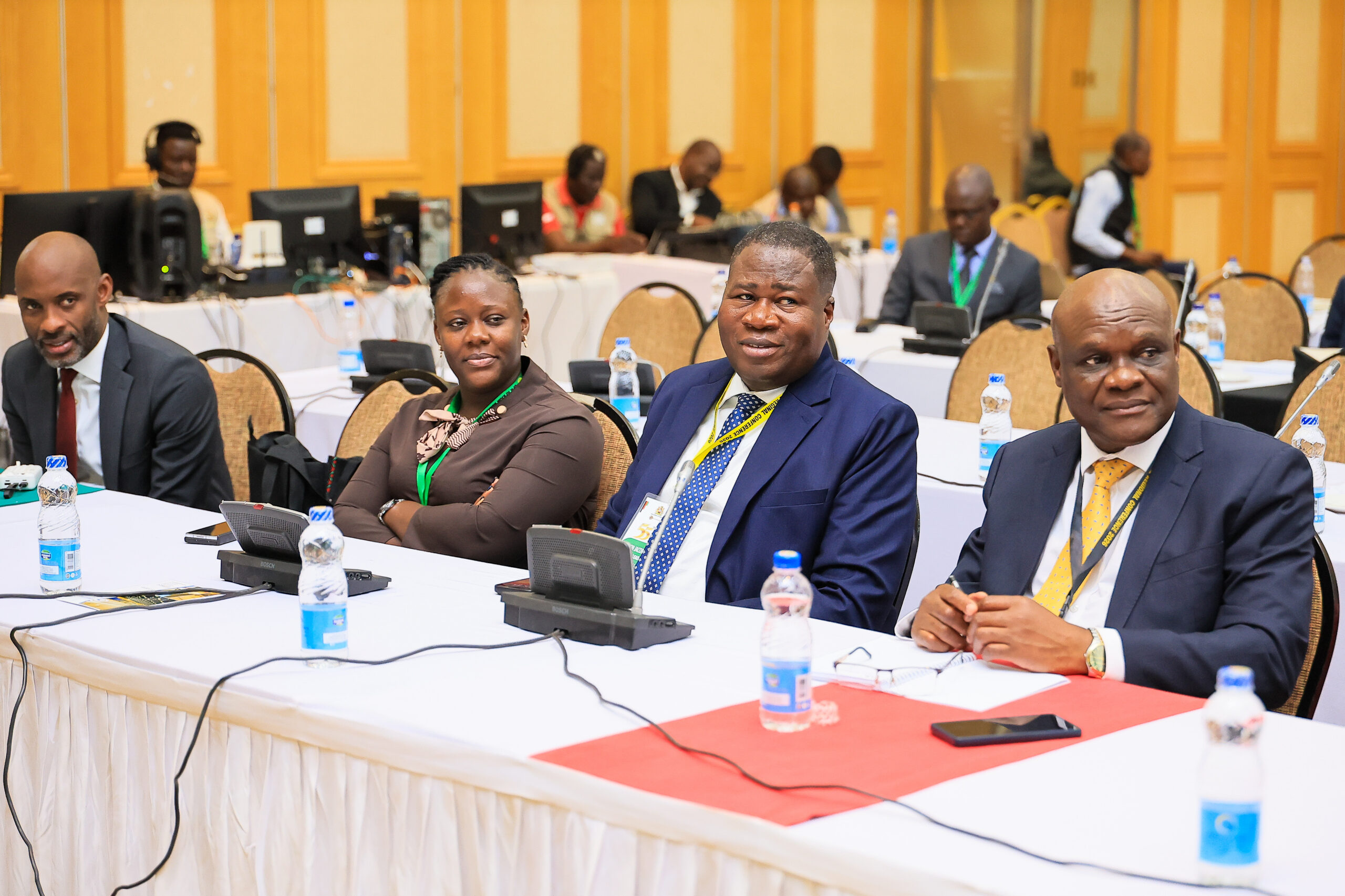
Speaker Jacob Marksons Oboth, together with a delegation of MPs attending the 55th CPA Africa Region Conference held in Lilongwe, Malawi.
Hon. Kugonza concluded by urging the Government to reposition citizens from being suppliers of raw materials to producers of high-value goods and also called on Ugandan industries to become co-producers of skills rather than merely consumers of graduates, emphasizing that the goal is to ensure Uganda’s youthful population becomes the foundation for the country’s most significant economic transformation of the 21st century.