News
Uganda Parliament Clears UPDF Mission to Gaza

KAMPALA, Uganda | UG DIPLOMAT
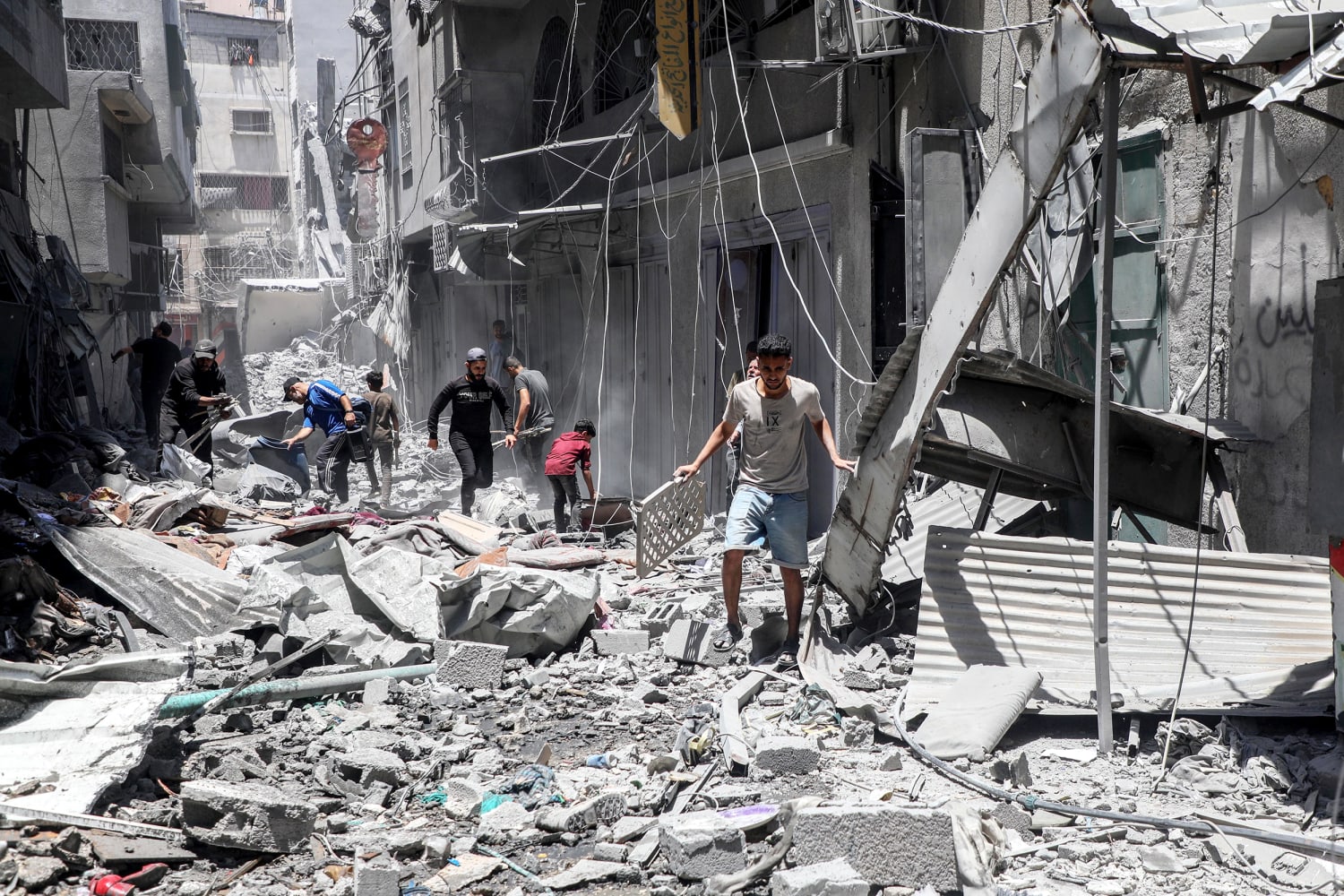
Uganda’s Parliament has approved the deployment of the Uganda People’s Defence Forces (UPDF) to the Gaza Strip, paving the way for the country’s participation in an international stabilisation mission aimed at supporting peace, security and post-conflict reconstruction in the war-ravaged Palestinian territory.
The decision followed a heated debate in Parliament on Thursday before legislators voted to authorise President Yoweri Museveni to deploy Ugandan troops under Section 38 of the UPDF Act, which requires parliamentary approval for peacekeeping missions outside the country.
The motion was tabled by Minister of Defence and Veteran Affairs Kiryowa Kiwanuka, who said Uganda had been invited to join the International Stabilisation Force established under United Nations Security Council Resolution 2803 (2025).
According to the minister, the request followed formal communication from U.S. President Donald Trump to President Museveni in July 2026, seeking Uganda’s contribution to the multinational force. He added that planning meetings involving senior UPDF officers, U.S. officials and representatives of the proposed force had already taken place.
Kiwanuka said Uganda’s participation would draw on the UPDF’s extensive peace-support experience in Somalia, South Sudan, the Central African Republic and other international missions.
“Our participation will support ceasefire implementation, protect civilians, facilitate disarmament and contribute to long-term peace and stability,” he told Parliament, assuring legislators that Ugandan troops would operate under clear rules of engagement and in accordance with international humanitarian law.
The motion, however, triggered sharp criticism from opposition lawmakers, who argued that Parliament had been given insufficient time to scrutinise one of Uganda’s most consequential overseas military deployments.

Opposition Chief Whip Paul Mwiru protested that the motion had not appeared on the day’s Order Paper, saying legislators needed adequate time to assess the legal, security and financial implications of sending Ugandan troops into an active conflict zone.
Manjiya County MP John Baptist Nambeshe urged Parliament to first review ongoing UPDF operations in Somalia, the Democratic Republic of Congo, South Sudan and the Central African Republic before committing forces to Gaza, describing the Middle East conflict as significantly more complex due to urban warfare and the difficulty of distinguishing combatants from civilians.
Kalungu West MP Joseph Ssewungu also questioned the urgency of the decision, saying Parliament had a constitutional duty to ensure Ugandan soldiers are deployed only after thorough consideration of the risks and the country’s national interests.
Deputy Speaker Thomas Tayebwa rejected calls to defer the debate or refer the matter to the Committee on Defence and Internal Affairs, ruling that government business takes precedence under Parliament’s Rules of Procedure and that the omission of the motion from the Order Paper was an administrative oversight.
Government ministers defended the deployment, arguing that Uganda has built an international reputation as a reliable contributor to peace-support operations.
UPDF representative Maj. Gen. Henry Masiko told Parliament that the Ugandan military has earned global recognition for helping restore stability in conflict-affected regions and is well prepared for the Gaza mission.
Following debate, the House approved the motion, formally authorising the deployment of a UPDF contingent to Gaza.
The approval marks one of Uganda’s most significant military commitments beyond the African continent and places the UPDF among the countries expected to participate in efforts to support ceasefire implementation, civilian protection and post-conflict stabilisation in Gaza.
Uganda has previously contributed troops to regional and international peace operations, including in Somalia, South Sudan, the Central African Republic and under United Nations peacekeeping missions. The Gaza deployment represents a new chapter in the country’s growing role in international peace and security operations.