News
Uganda Calls for Humane Migration Response at Khartoum Process Talks

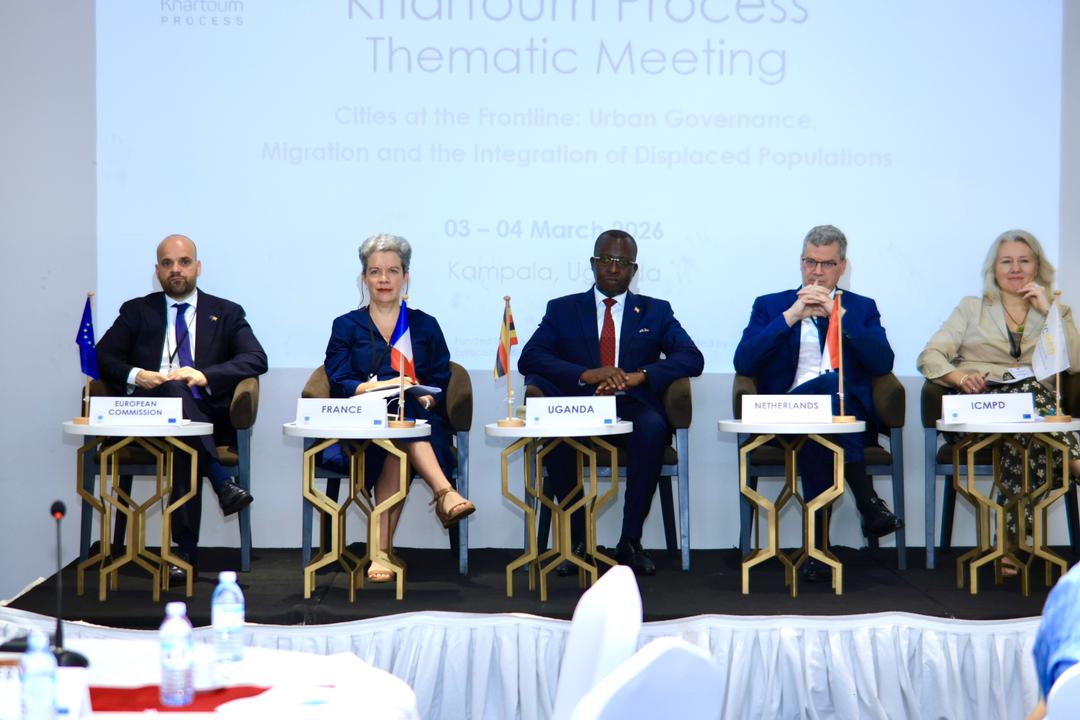
Uganda has hosted a high-level thematic meeting of the Khartoum Process in Kampala, bringing together diplomats and migration experts to discuss coordinated responses to displacement and migration across the region.
The two-day meeting, held from March 3–4, 2026, was co-hosted by Uganda’s Ministry of Foreign Affairs and convened representatives from partner countries, international organizations, and members of the diplomatic corps.
Speaking during the meeting, State Minister for Foreign Affairs (Regional Cooperation) John Mulimba emphasized the need for coordinated and humane approaches to migration management. He noted that peace, security, and inclusive urban governance remain critical factors in addressing displacement across Africa and along the migration routes linking the Horn of Africa and Europe.
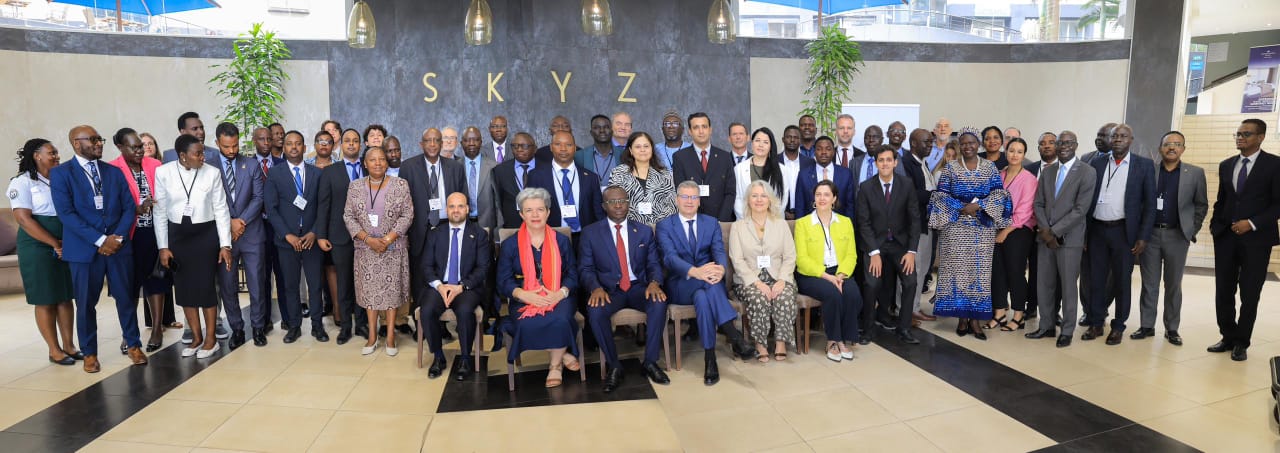
Mulimba highlighted the growing role of cities in managing migration flows and integrating displaced populations, stressing that urban centers are increasingly on the frontlines of responding to humanitarian pressures and social integration challenges.
Uganda currently serves as a Steering Committee member of the Khartoum Process and is preparing to assume its chairmanship from France in April 2026. Officials said the upcoming leadership role will position Uganda to guide regional dialogue on migration governance, humanitarian protection, and development cooperation.
Discussions during the Kampala meeting focused on how cities can strengthen resilience, improve service delivery for displaced populations, and foster social cohesion between host communities and migrants.
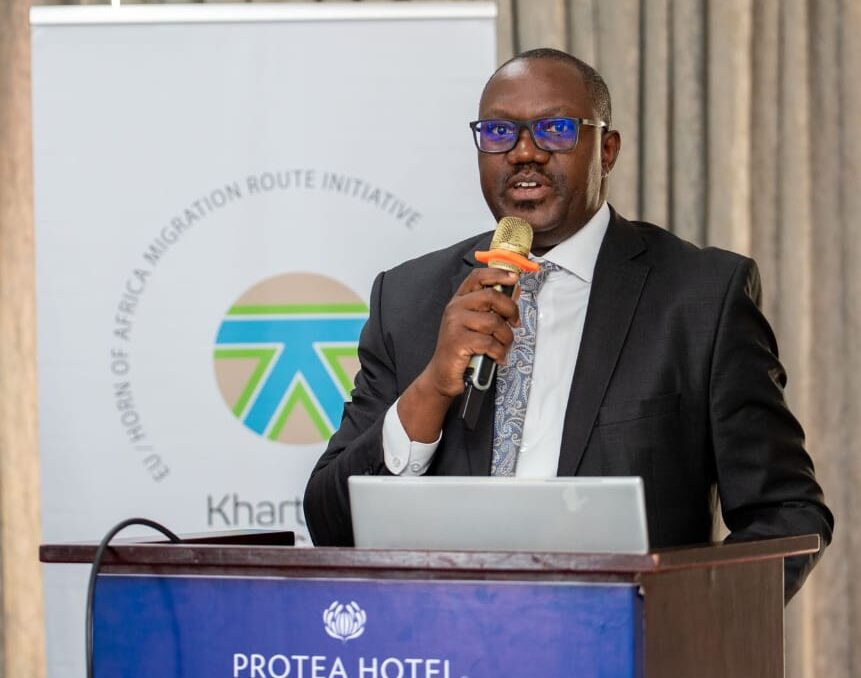
Ministry of Foreign Affairs PS, Mr Vincent Bagiire
Participants reaffirmed their shared commitment to promoting safe, orderly, and regular migration, while advancing international cooperation to address the root causes of displacement across the region.
The Khartoum Process, formally known as the EU–Horn of Africa Migration Route Initiative, serves as a platform for political cooperation between countries along the migration corridor connecting East Africa and Europe. It seeks to combat human trafficking and smuggling while promoting sustainable migration management and protection of migrants’ rights.